

Investing in property is expensive. Bad advice is catastrophic.
The UK property investment market is a unregulated "Wild West." Anyone with a LinkedIn profile and a cheap suit can call themselves a "Property Investment Consultant."
There are genuine experts who can help you build a multi-million pound portfolio. But for every expert, there are ten "gurus" trying to sell you a £5,000 training course or an off-plan flat with a hidden £20,000 commission.
How do you tell the difference?
This guide breaks down exactly what a real consultant does, what they should charge, and the 5 red flags that should make you run.
1. Consultant vs Sourcer: Know the Difference
Before you hire anyone, you need to know who you are hiring. These terms are often used interchangeably, but the roles are different.
The Property Sourcer (The "Hunter")
- Role: Transactional. They find a specific deal (e.g., a 3-bed terrace in Leeds), negotiate the price, and sell the "deal package" to you.
- Relationship: Short-term. Once you buy the house, they move on.
- Fee: Typically 1-2% of the purchase price or a fixed fee (£3,000 - £5,000). Paid upon completion.
- Best For: Investors who know their strategy but don't have time to view houses.
The Investment Consultant (The "Architect")
- Role: Strategic. They look at your entire financial picture. They help you incorporate a Limited Company (SPV), plan for Inheritance Tax, and structure a portfolio for 10-year growth. They often work with specific developers or have exclusive access to bulk deals.
- Relationship: Long-term. They manage the portfolio growth over years.
- Fee: Often charge a retainer, a percentage of portfolio value, or are paid by the developer (meaning their service is "free" to you—but check for bias).
- Best For: High Net Worth individuals (HNWIs), foreign investors, or those building a serious business.
2. The Fee Structure: What Should You Pay?
In 2026, transparency is key. If someone is vague about how they get paid, they are hiding something.
The "Free Advice" Model
Many large consultancies (e.g., Knight Frank, Savills, RWinvest) do not charge you a fee. They are paid a marketing fee by the developer.
- Pros: Access to institutional-grade investments without upfront cost.
- Cons: They are effectively sales agents for the developer. Their job is to sell that specific building. You need to do your own due diligence on the area.
The "Sourcing Fee" Model
Independent sourcers charge you directly.
- Average Fee: £3,000 - £5,000 per deal.
- Red Flag: Upfront Fees. Never pay the full sourcing fee before the legal work starts. A small "commitment fee" (£500) is normal to stop time-wasters, but paying £5,000 upfront for "access to deals" is a common scam.
3. The "Training Course" Trap
This is the biggest danger in the UK market right now. You attend a "free" seminar on property wealth. The charismatic speaker tells you that you can buy houses for £1. They then upsell you a £2,000 "Masterclass," which upsells a £15,000 "Mentorship."
The Golden Rule: If they make more money teaching property than doing property, they are not consultants. They are course sellers.
Real consultants are too busy doing deals to spend every weekend running seminars in hotels.
4. Vetting Your Expert: The 5-Step Checklist
Do not hand over a penny until you have checked these five things.
- Redress Scheme Membership: By law, anyone doing estate agency work (including sourcing) must be a member of a redress scheme like The Property Ombudsman (TPO) or The Property Redress Scheme (PRS). If they aren't, they are operating illegally. Check their website footer.
- Anti-Money Laundering (AML) Registration: They must be registered with HMRC for AML supervision. Ask for their registration number.
- Professional Indemnity (PI) Insurance: If they give you bad advice that loses you money, can you sue them? If they don't have insurance, you are claiming against a bankrupt shell company.
- Track Record: Ask for the phone number of a client who bought a property 3 years ago. Anyone can give a review the day they buy. You want to know if the investment performed after the hype died down.
- Companies House: Check the director's history. Have they dissolved 5 companies in the last 3 years? That's a "Phoenix" scheme warning.
5. Who Are The "Good Guys"?
While we don't endorse specific companies, the market is tiered:
- Tier 1 (Institutional): Firms like Knight Frank and Savills. Expensive, often focused on £500k+ assets, but extremely safe.
- Tier 2 (Specialist Investment Agencies): Firms like RWinvest or Baron & Cabot. They specialise in Off-Plan and Buy-to-Let. Good for hands-off investors.
- Tier 3 (Independent Sourcers): Local experts. This is high risk/high reward. A brilliant sourcer in Manchester can make you rich; a bad one can sell you a damp house in a bad postcode. Vet them thoroughly using the checklist above.
Conclusion: A good consultant effectively costs you nothing, because the deal they find is better than what you could find yourself. A bad consultant costs you your life savings. Do your homework.
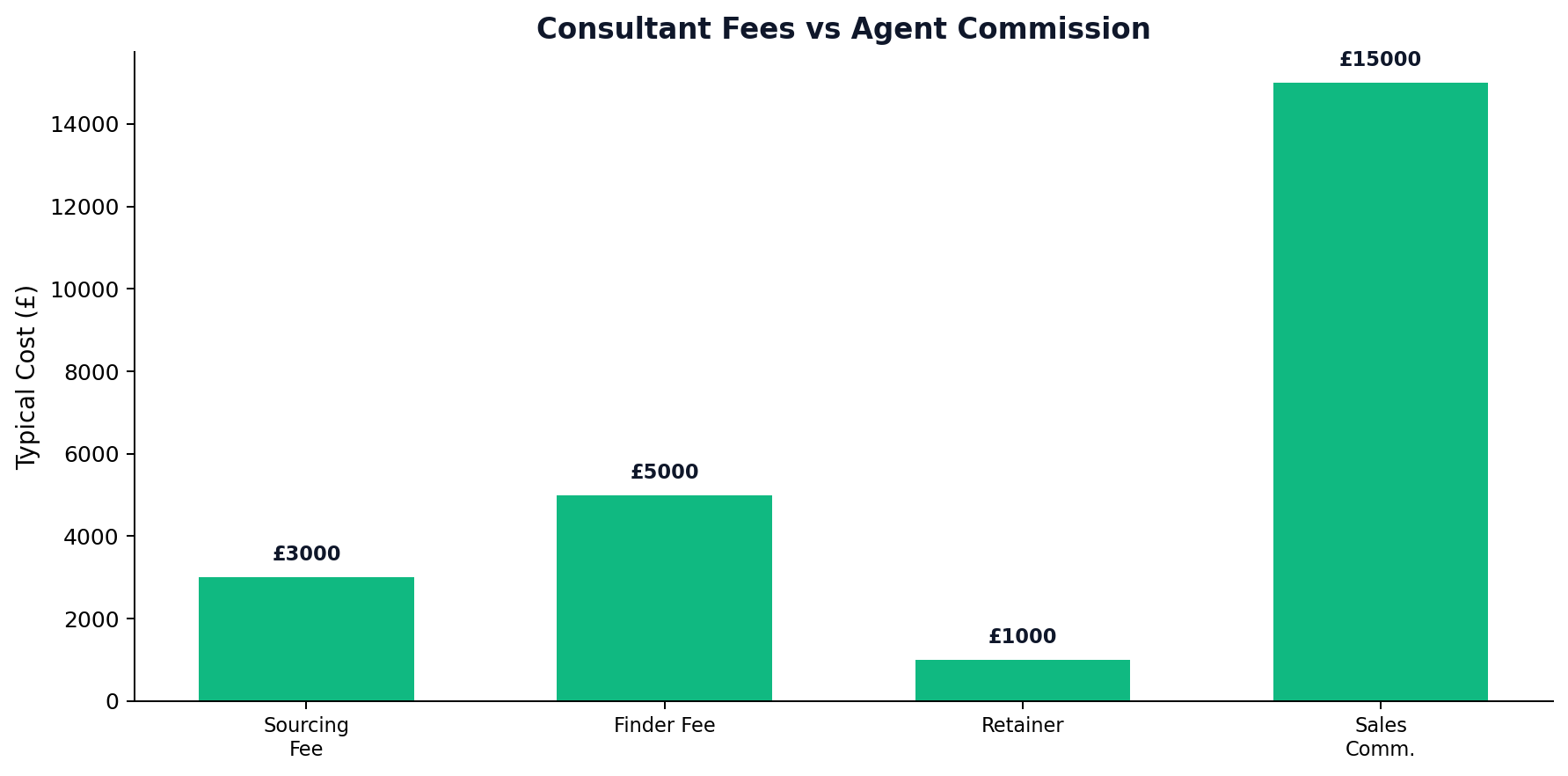 Figure: Consultant Fees vs Agent Commission
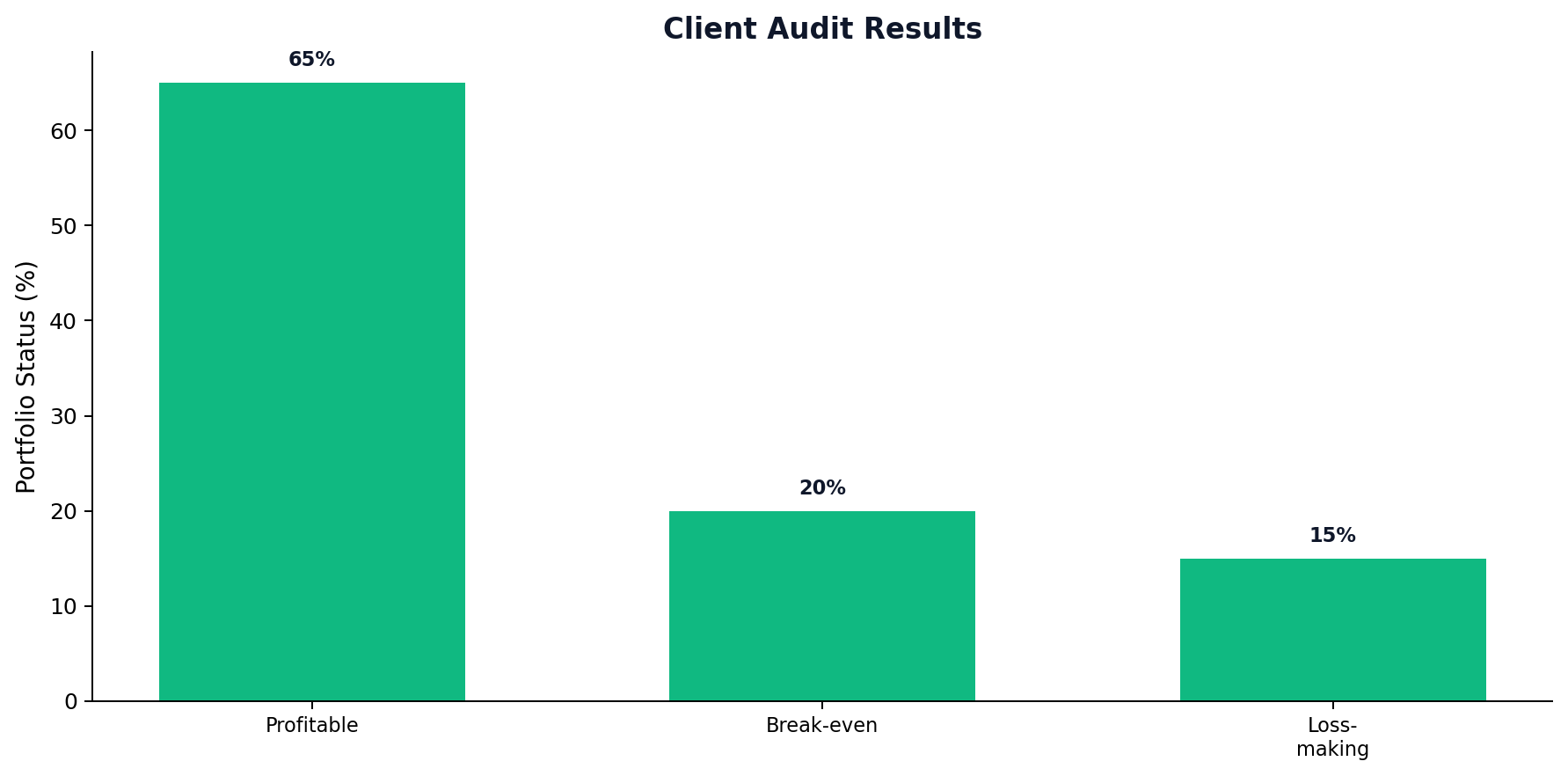 Figure: Client Audit Results
Stop being a landlord. Start being an investor.
Shaded Canvas introduces serious capital to vetted UK property opportunities — targeting 12–16% net returns.
Start Investing →