

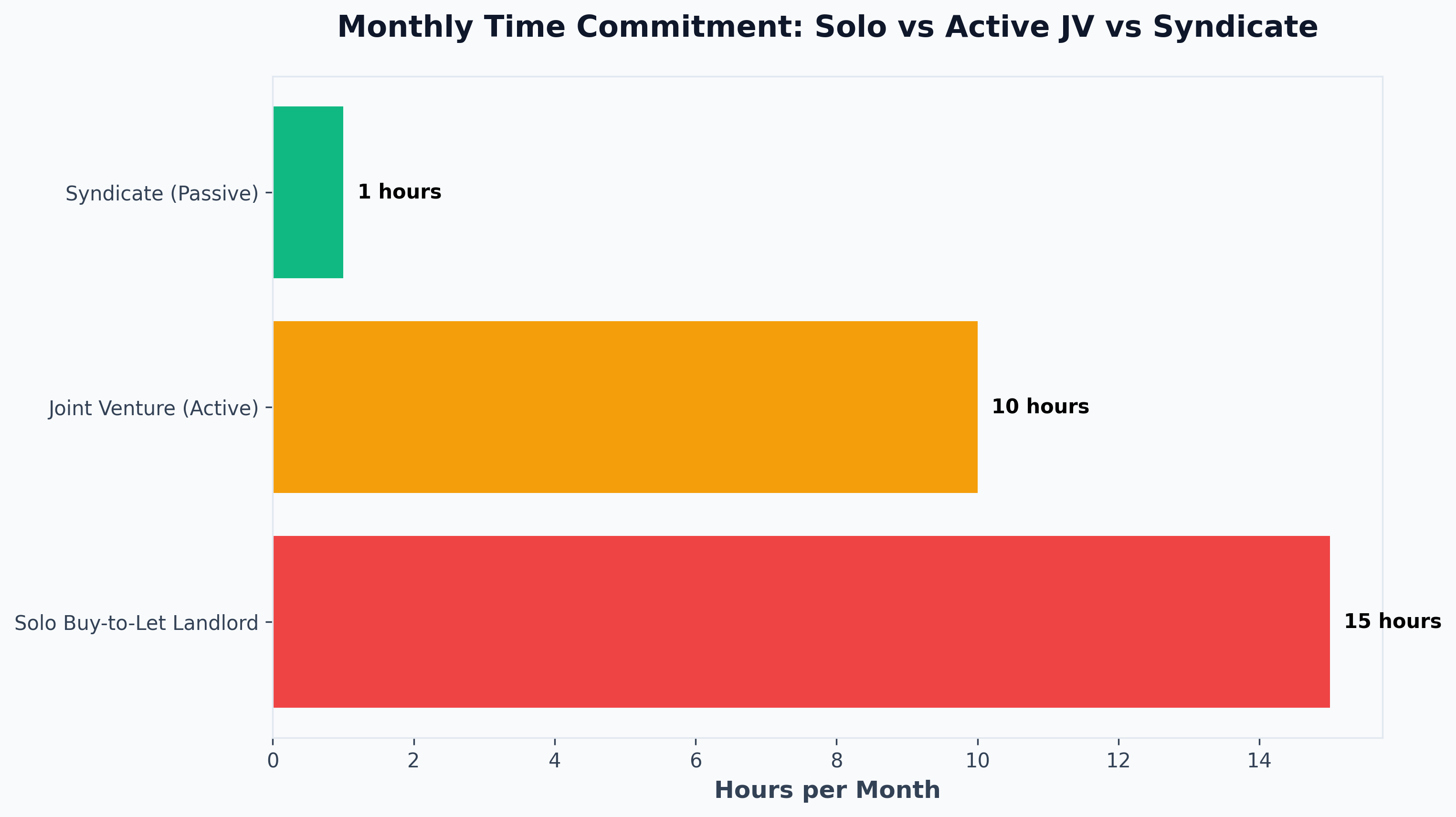
For decades, the phrase "property investor" conjured images of a solo landlord dealing with leaky roofs, tenant disputes, and escalating mortgage rates. Today, the smartest capital is moving away from the solo-landlord model. Instead, high-net-worth individuals and sophisticated professionals are increasingly asking: What is a property syndicate UK, and how can it scale my wealth without monopolizing my time?
In 2026, real estate syndication UK has evolved from an exclusive, behind-closed-doors club into a highly structured, regulated, and immensely powerful wealth-creation mechanism.
This comprehensive guide breaks down exactly how property investment syndicates operate, the crucial differences in property syndicate structure, and how the upcoming Public Offer Platform (POP) regime will change the landscape forever.
Defining the Core Concept
At its simplest, a property syndicate uk is a partnership. It is a group of investors who pool their capital to acquire, develop, or manage a real estate asset that would be too large, too expensive, or too complex for any one of them to tackle individually.
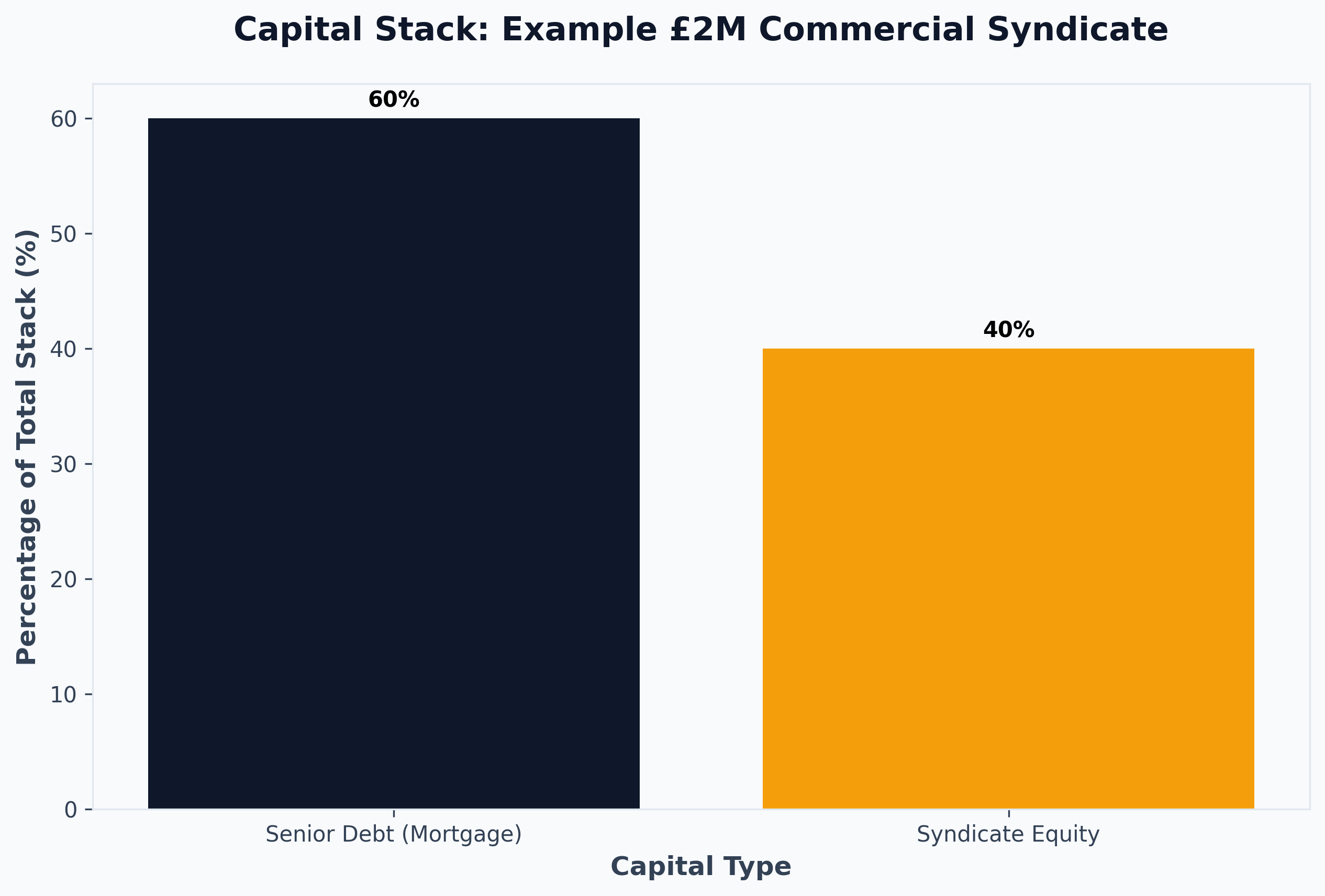
By utilizing property syndication uk, a group of five professionals might combine £50,000 each to acquire a £1 million commercial asset using a £750,000 commercial mortgage.
The syndicate is typically split into two distinct roles:
- The Sponsor (or Lead Investor): The individual or company responsible for sourcing the deal, arranging the finance, overseeing the refurbishment, and managing the asset.
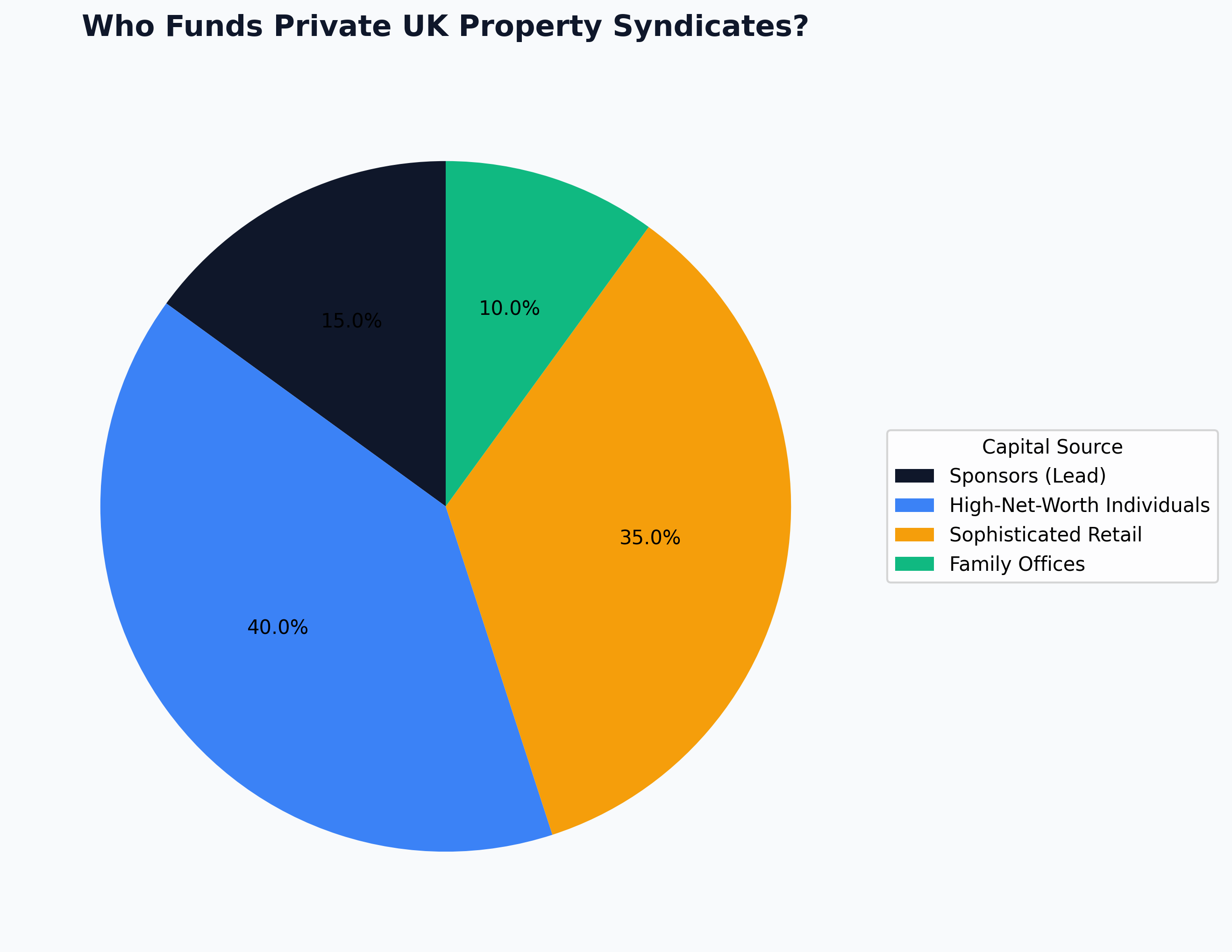
- The Passive Investors: The individuals who provide the majority of the capital. They do not swing hammers or answer tenant phone calls. They review monthly reports and receive quarterly dividend payouts.
The Anatomy of a Property Syndicate Structure
Understanding the syndicate structure is the most critical element of evaluating a deal. You must know exactly how your money is being held, how it is protected, and how profits are distributed.
Almost universally in 2026, a modern property syndicate structure involves a Special Purpose Vehicle (SPV).
The Special Purpose Vehicle (SPV)
An SPV is simply a standard UK Limited Company created for one singular purpose: to hold that specific property.
- Asset Isolation: By holding the property in a dedicated SPV, the asset is ring-fenced. If the Sponsor’s other businesses go bankrupt, the syndicate's property is entirely protected.
- Share Equity: When you invest in the syndicate, you are actually buying shares in the SPV. If the syndicate requires £200,000 in equity and you invest £20,000, you will typically receive 10% of the shares in the SPV.
- Dividends: Rental profits generated by the property are paid into the SPV's bank account. After corporation tax is paid, those profits are distributed to the shareholders (you) as dividends.
The Property Syndicate Agreement
Never transfer capital without a bulletproof property syndicate agreement. Also known as a Shareholder Agreement or JV Agreement, this legal document dictates the rules of engagement.
If you are entering into any of the growing number of property investment syndicates, your solicitor must verify that the property syndicate agreement clearly defines the following:
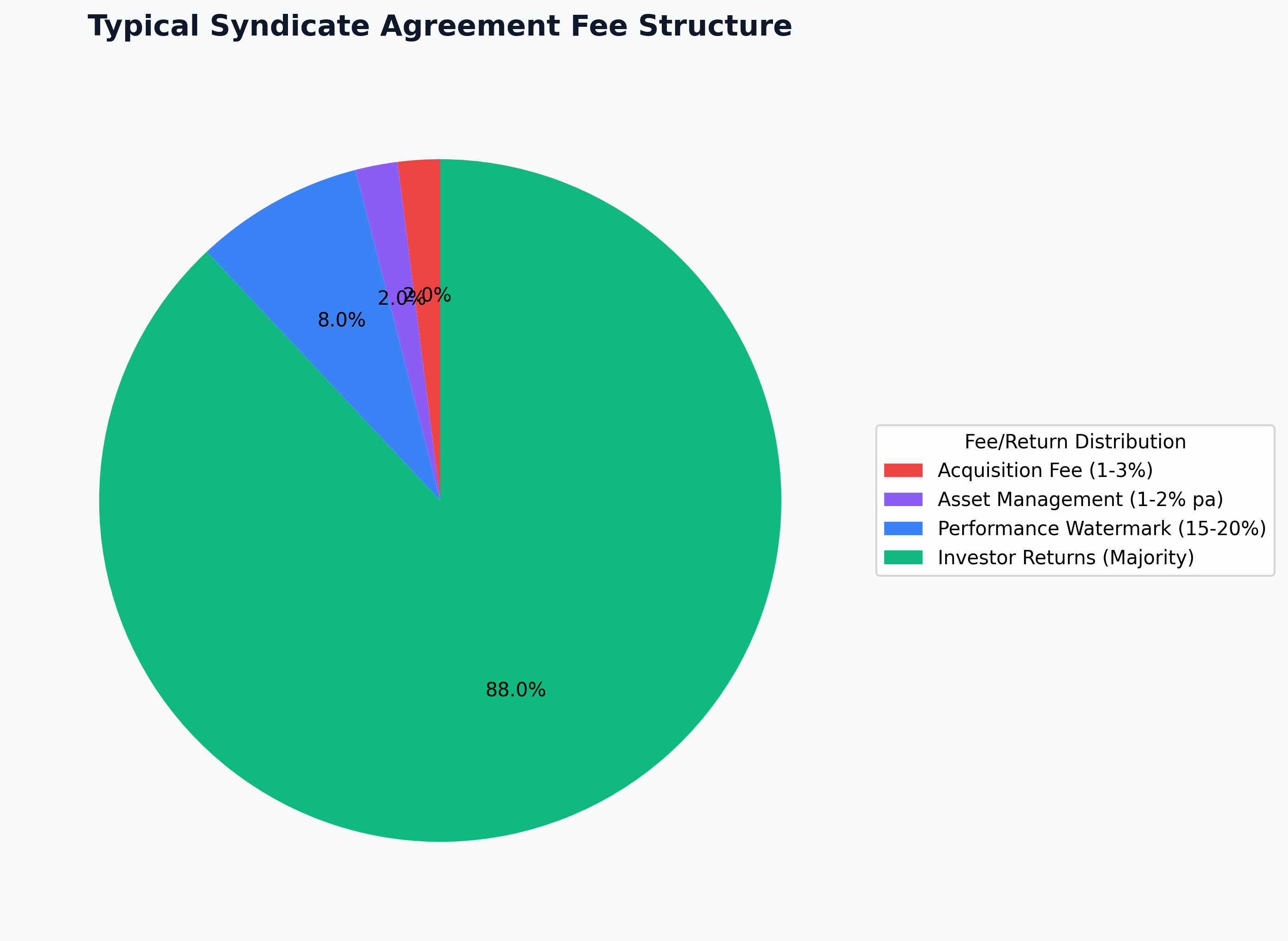
- Profit Splits: How is the rental income divided? How is the capital uplift split upon sale? Often, the Sponsor will take a "Promote" or performance fee (e.g., a 20% cut of the profits) as a reward for actively managing the project.
- Capital Calls: If the boiler blows up and the SPV doesn't have enough cash reserves, are you legally obligated to inject more money?
- Exit Strategy: What happens if you want out after two years, but the other investors want to hold for ten? The agreement must outline a clear mechanism for selling your shares, usually offering "First Right of Refusal" to the existing syndicate members.
- Voting Rights: Do major decisions (like selling the building or refinancing the mortgage) require a unanimous vote, or simply a majority (51%)?
Types of Syndicates in 2026
The beauty of syndication is that it unlocks asset classes that solo investors can rarely touch.
1. Commercial Property Investment Syndicates
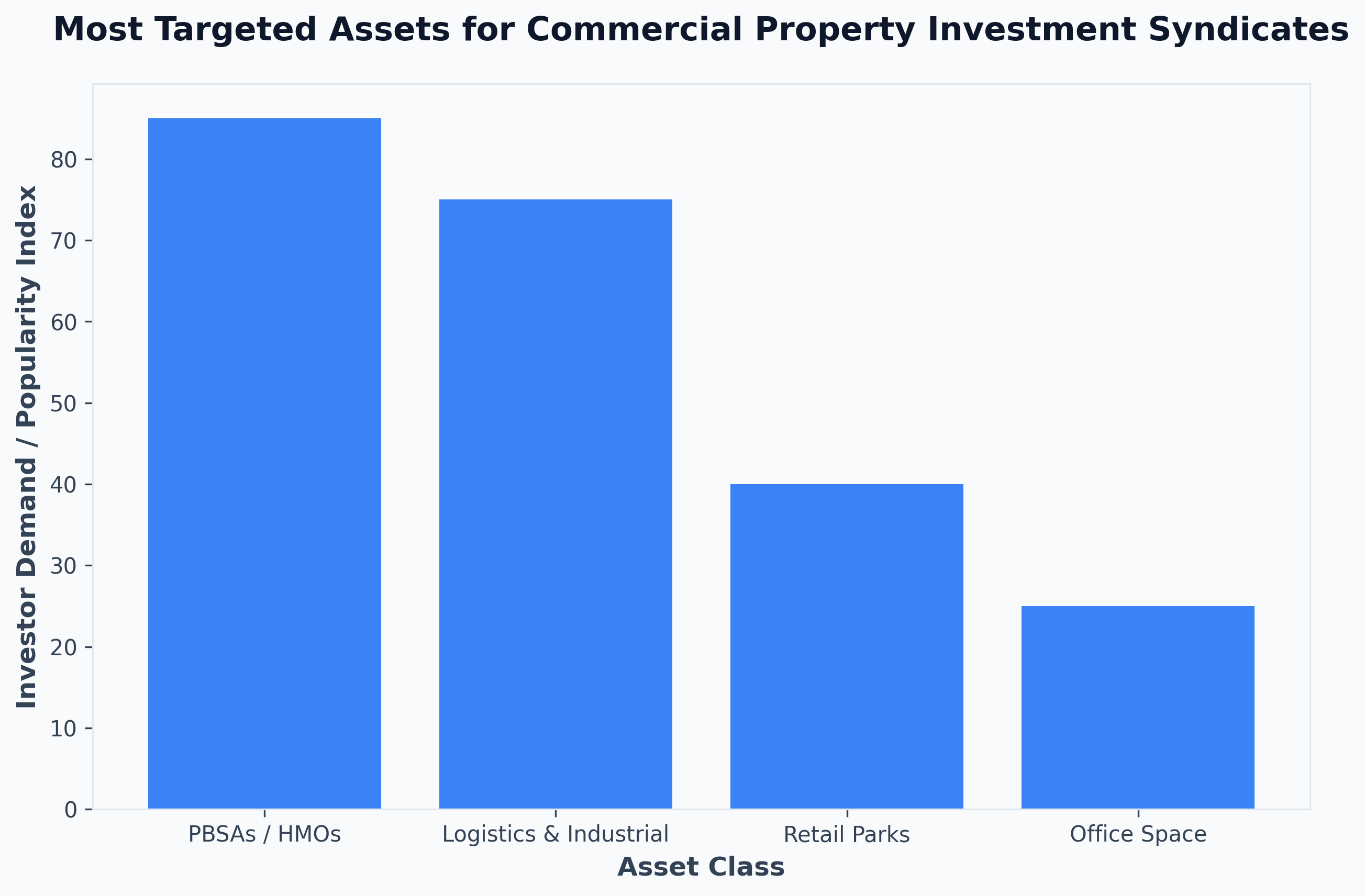
High street retail may be volatile, but logistics, data centres, and premium office spaces are thriving. Commercial property investment syndicates allow retail investors to buy into £5M+ warehouses leased to blue-chip tenants on 10-year Fully Repairing and Insuring (FRI) leases. The yield is stable, and the tenant covers the maintenance.
2. The Property Development Syndicate
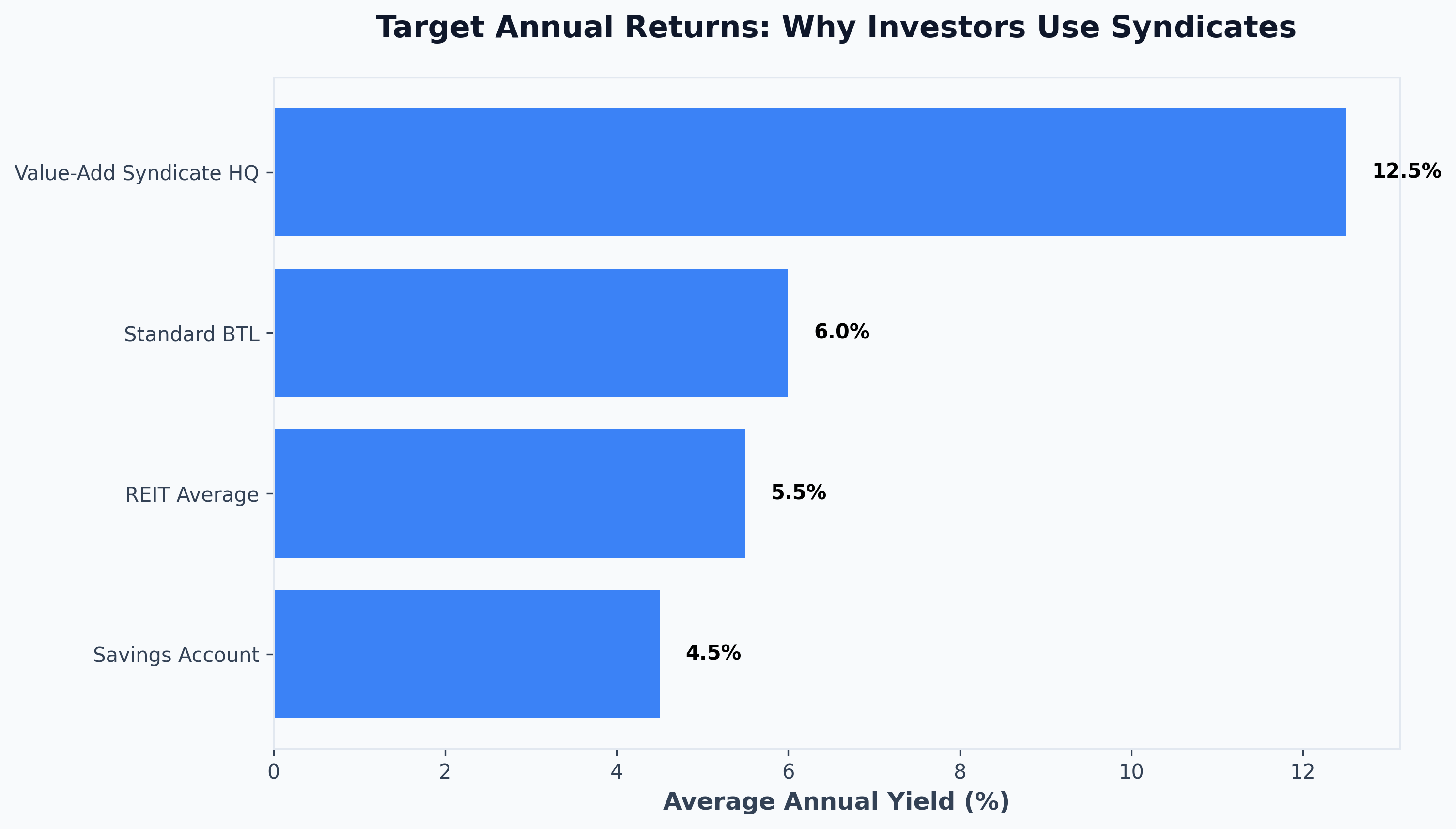
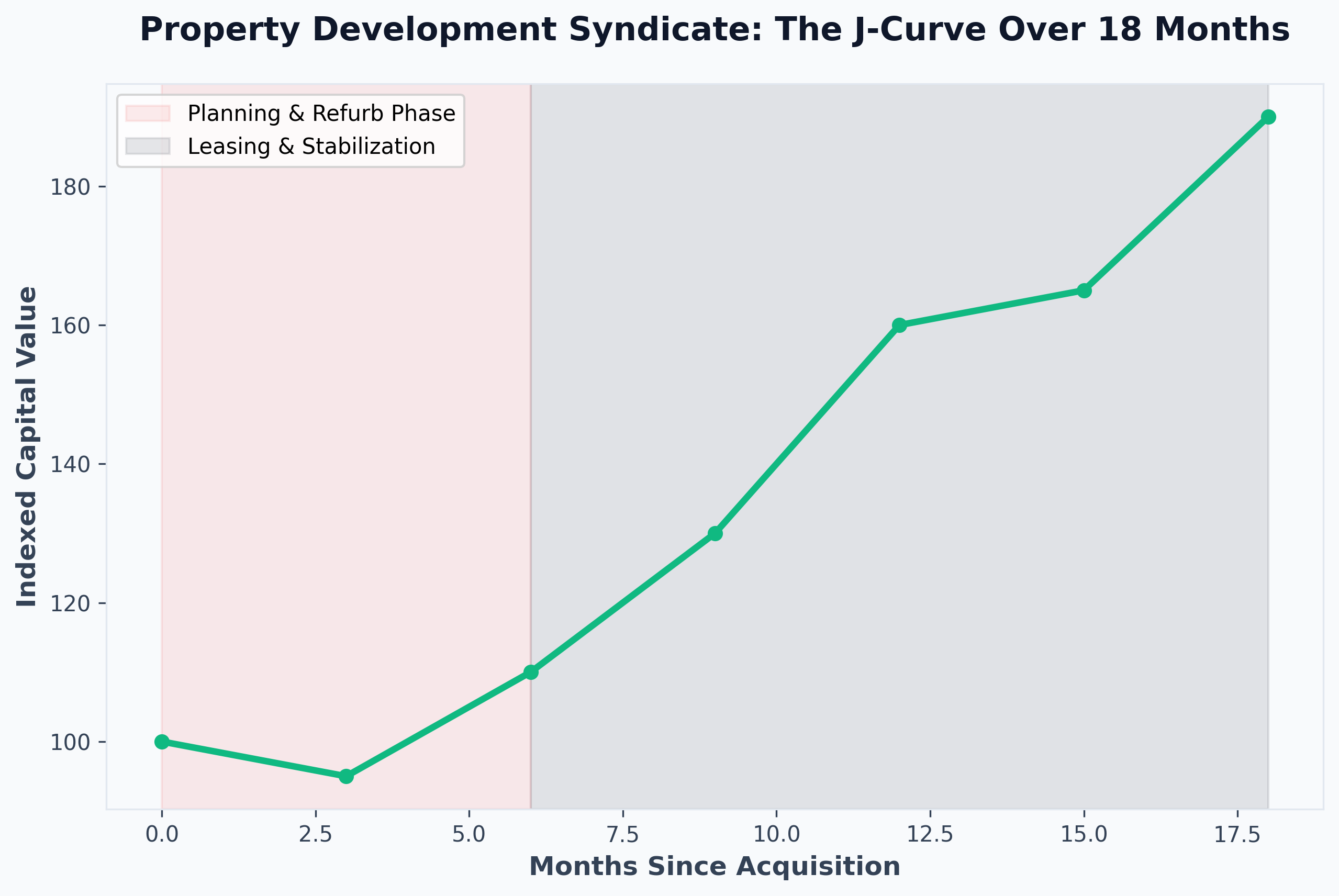
A property development syndicate is generally higher risk, higher reward. Instead of buying a stable, yielding asset, the syndicate pools money to fund a ground-up development or a heavy commercial-to-residential conversion. Because there is no rental income during the 12-18 month build phase, these syndicates focus entirely on capital appreciation (the "J-Curve"). They often target returns of 15-25% Annualized ROI.
2026 Regulation: The POP Regime Impact
You cannot discuss real estate syndication uk in 2026 without addressing the new regulatory landscape.
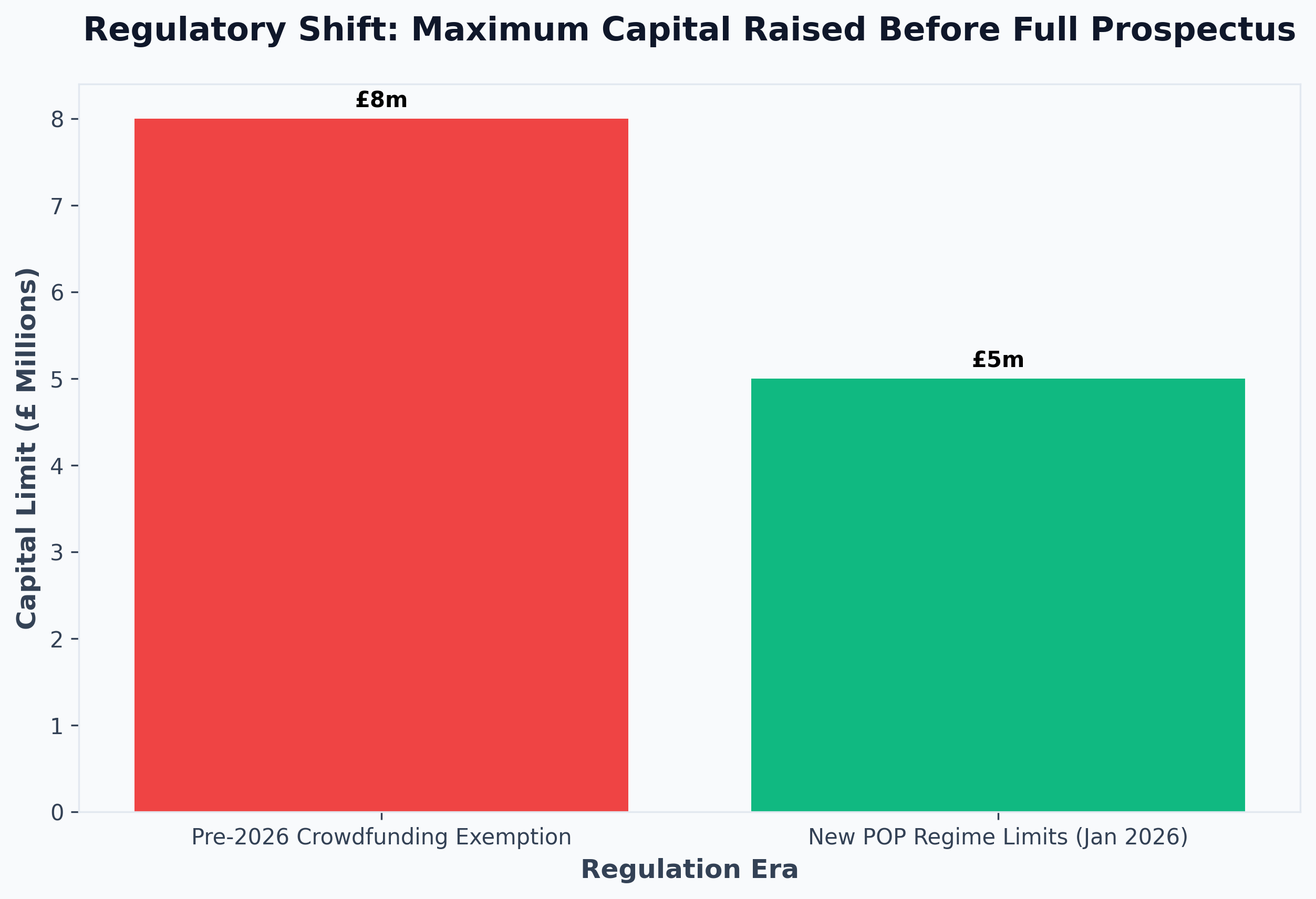
Historically, highly lucrative private syndicates operated under exemptions that strictly limited how they could market to the public. However, the introduction of the Public Offer Platform (POP) regime (fully effective Jan 2026) has shifted the rules.
While private JVs among a small group of friends remain unregulated, any sponsor raising capital from a broad range of investors (especially for raises exceeding £5 million) must now operate through an authorized POP. This brings institutional-grade diligence to retail syndicates, vastly improving transparency, standardized reporting, and investor safeguards.
What This Means For You
If a sponsor pitches you a £6m commercial development outside of an authorized platform, they are likely breaching the new FCA rules. Always verify the regulatory status of the syndicate before deploying capital.
Conclusion: A Collaborative Path to Wealth
The solo buy-to-let model is a brutal grind of taxation and tenant management. As the market matures, the logic of property investment syndicates becomes impossible to ignore.
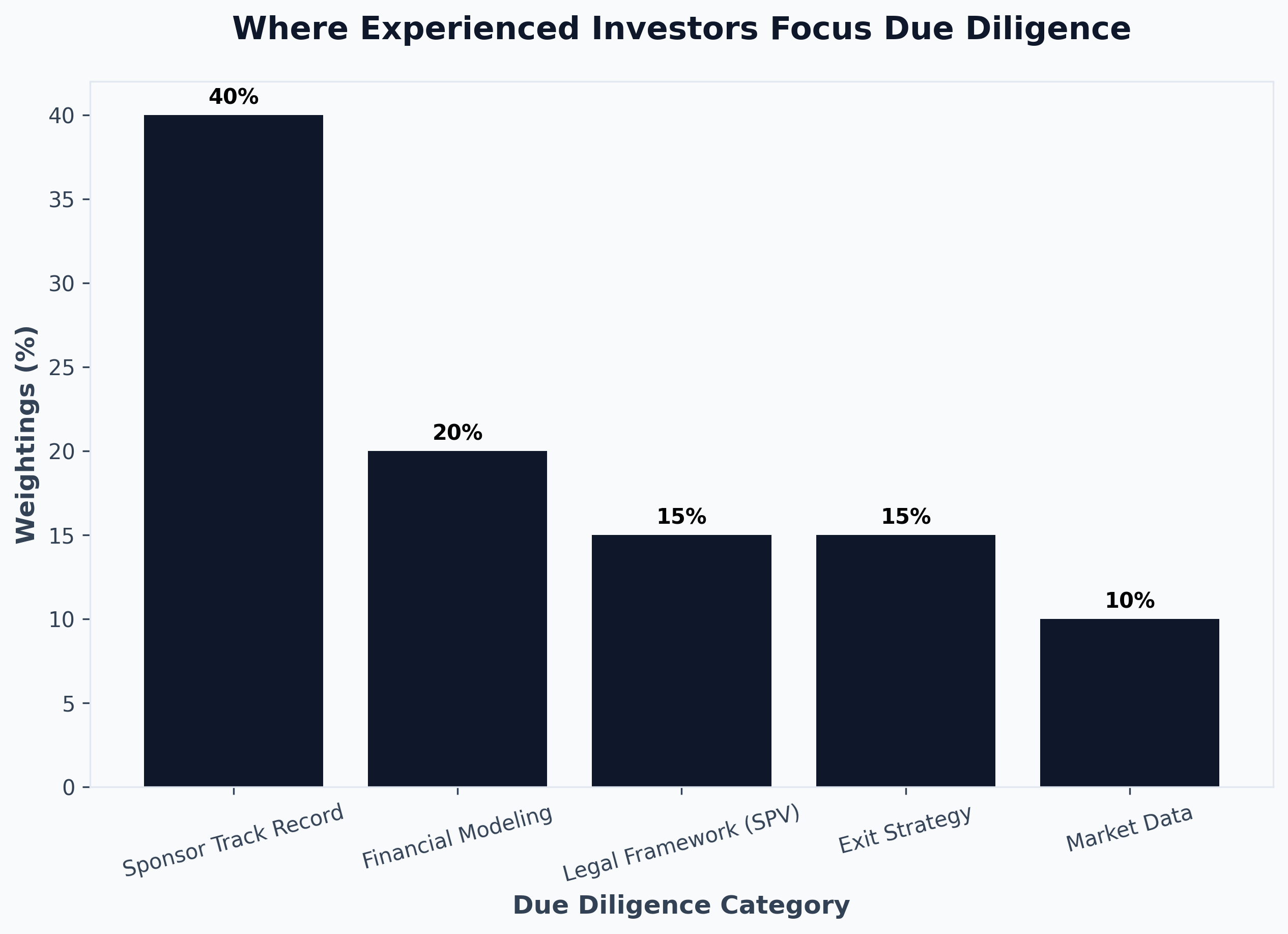
By prioritizing a robust property syndicate structure, thoroughly vetting the Sponsor, and understanding your rights within the property syndicate agreement, you can instantly elevate your portfolio. Real estate syndication UK allows you to trade your time for their expertise, unlocking institutional-grade assets and genuinely passive, scalable returns.
Stop being a landlord. Start being an investor.
Shaded Canvas introduces serious capital to vetted UK property opportunities — targeting 12–16% net returns.
Start Investing →