

The landscape of London property investment in 2026 is undergoing a profound transformation. After years defined by economic volatility, inflationary pressures, and a subdued transaction environment, the market is entering a phase of cautious, yet definitive, optimism. For domestic and international investors alike, the capital is shedding its recent sluggishness, driven by structural shifts in affordability, easing base rates, and a pronounced release of pent-up demand.
Whether you are seeking robust rental yields in emerging regeneration zones or capital preservation in Prime Central London, the strategies that worked a decade ago have been overwritten. Navigating this new cycle requires granular data, an understanding of hyper-local market dynamics, and a strategic macroeconomic outlook.
This comprehensive guide dissects the 2026 London property investment market, providing actionable intelligence on emerging hotspots, financing strategies, and sector-specific asset performance.
The Macroeconomic Context: Why 2026 is a Pivotal Year
The fundamental thesis for property investing london in 2026 rests on a convergence of positive macroeconomic indicators that have been largely absent since the post-pandemic boom. The Bank of England’s successful battle against inflation, which is stabilising near its 2% target, has provided the foundation for a more accommodating monetary policy.
Easing Interest Rates and Mortgage Affordability
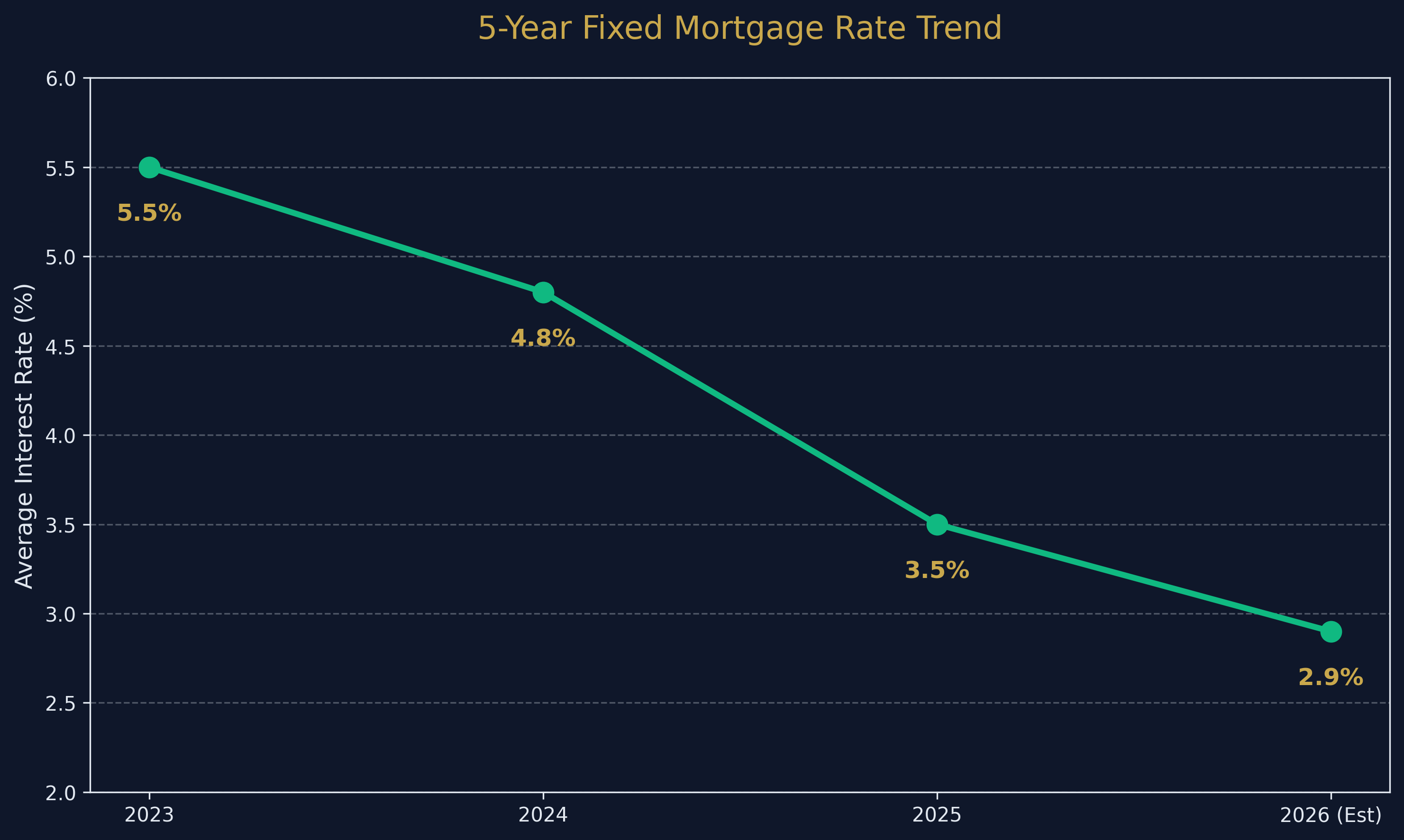
Perhaps the most significant catalyst for the 2026 market is the trajectory of interest rates. Following aggressive tightening cycles in previous years, the Bank of England is forecasting further measured cuts to the base rate. Mortgage lenders, anticipating this forward curve, are repricing their products aggressively.
Industry analysts forecast that by the summer of 2026, we could see five-year fixed mortgage rates dipping into the high "twos" (sub-3%) for buyers with significant equity. This reduction in the cost of debt is a game-changer for investor mathematics. It immediately improves the viability of buy-to-let investments that previously failed stress tests and expands the purchasing power of owner-occupiers, thereby injecting liquidity back into the transaction funnel.
The Affordability Equation Shifts
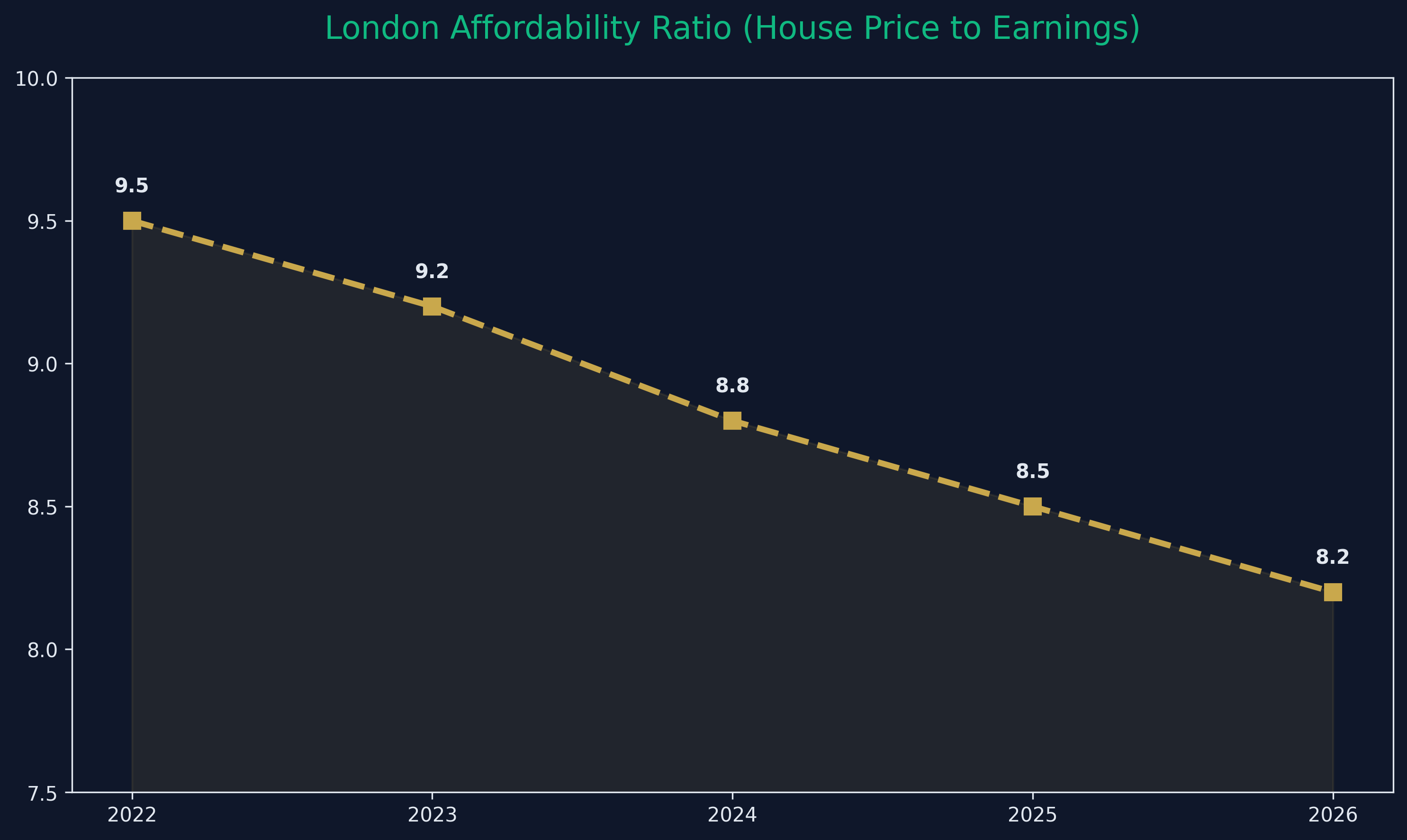
London has long been notorious for its stretched affordability ratio. However, 2026 presents a unique window. Wage growth has consistently outpaced house price growth over the previous three years. Furthermore, average London property prices sit roughly 5% below their 2022 peak in nominal terms, and significantly lower in real (inflation-adjusted) terms.
This dynamic is projected to push the London affordability ratio (average house price to average earnings) down to roughly 8.2 in 2026. While still high by national standards, this is a marked improvement that provides a firmer floor under current valuations and encourages first-time buyers back into the market, which is essential for the overall health of the property ecosystem.
Residential Market Forecasts: Capital Growth vs. Yield
When evaluating an investment property in london for sale, investors must meticulously balance their expectations for capital appreciation against immediate rental yields. The 2026 market is characterized by distinct regional variations based on this dichotomy.
Modest but Sustainable Capital Growth
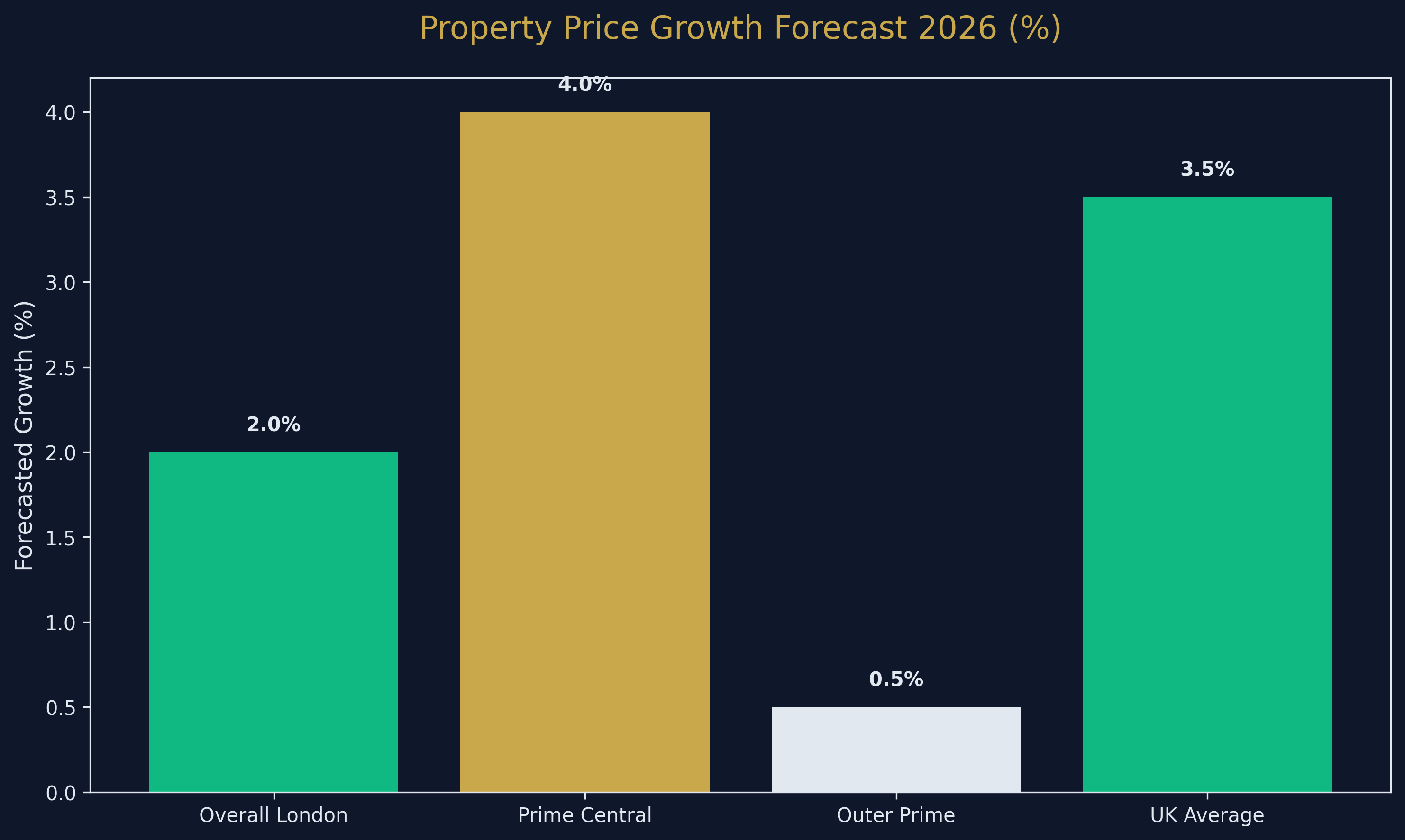
A return to the double-digit annual price growth seen in the early 2010s is neither expected nor fundamentally supported. The consensus among leading macroeconomic forecasters and real estate consultancies is that the overarching London property market will experience modest, sustainable capital growth of between 0% and 3% throughout 2026.
Some of the more bullish models anticipate growth stretching to 5%, heavily localized in areas benefiting from new infrastructure like the finalized stages of the Elizabeth Line integration and massive brownfield regeneration.
The Prime Central London (PCL) Anomaly
Prime Central London (PCL) operates asynchronously to the broader domestic market. PCL values sit at a startling 22.4% below their 2014 peak. This sustained period of suppressed pricing, combined with a relatively favorable currency exchange rate for dollar-pegged investors, constitutes a significant buying opportunity.
Savills and other premium agents forecast PCL to see price growth of between 3% and 5% in 2026. This sector acts as a safe-haven asset play, driven by high-net-worth individuals prioritizing wealth preservation over aggressive, short-term yield. The return of overseas investors, confident in the UK's stabilized political and economic footing post-election cycles, is actively increasing transaction volumes in postcodes like Mayfair, Knightsbridge, and Kensington.
The Robust Rental Market and Yield Profiles
If capital growth is modest, the rental market is the engine room of London property investment returns in 2026. The structural shortage of housing supply—exacerbated by planning bottlenecks and elevated construction costs—continues to outstrip demand.
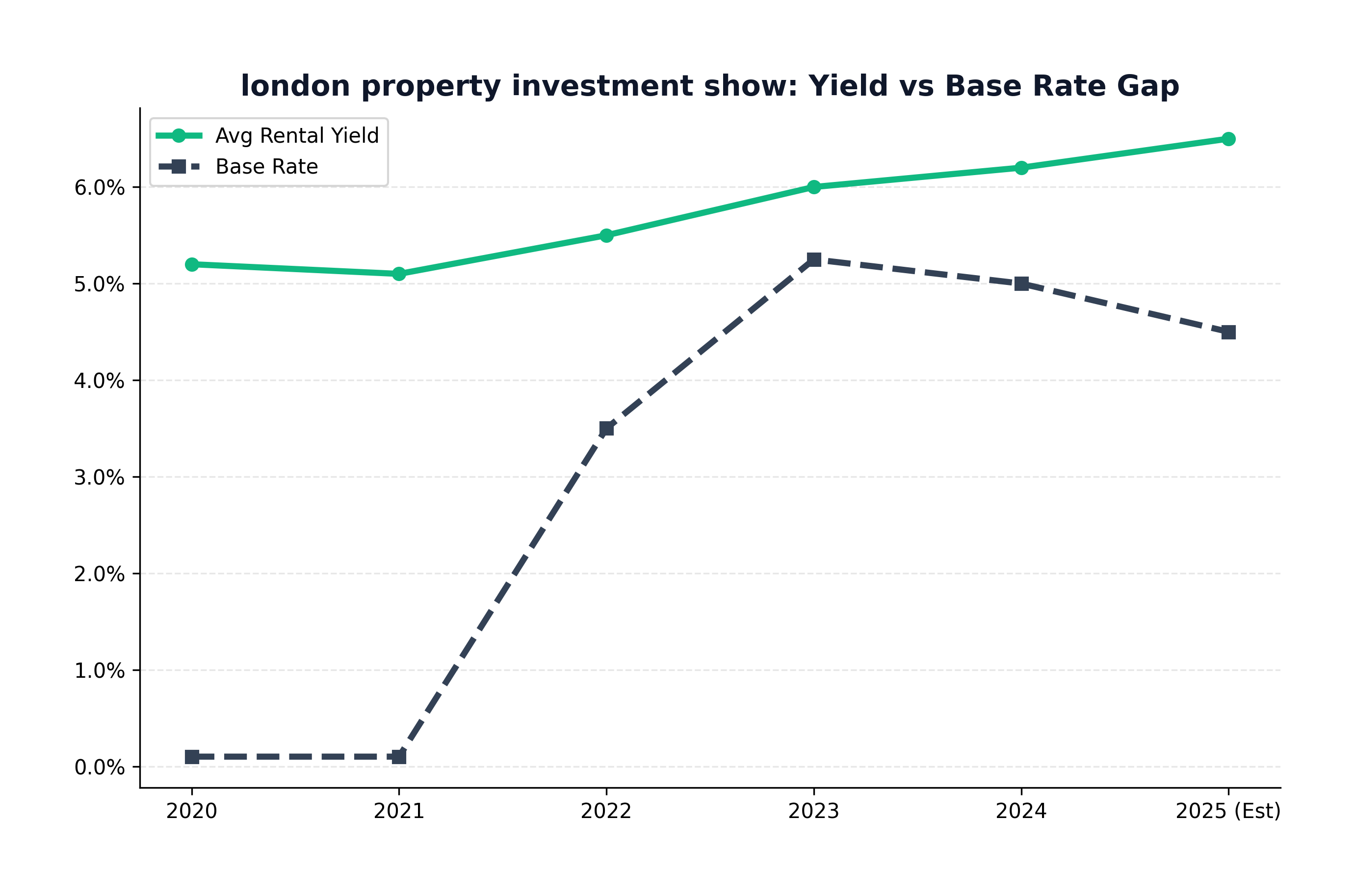
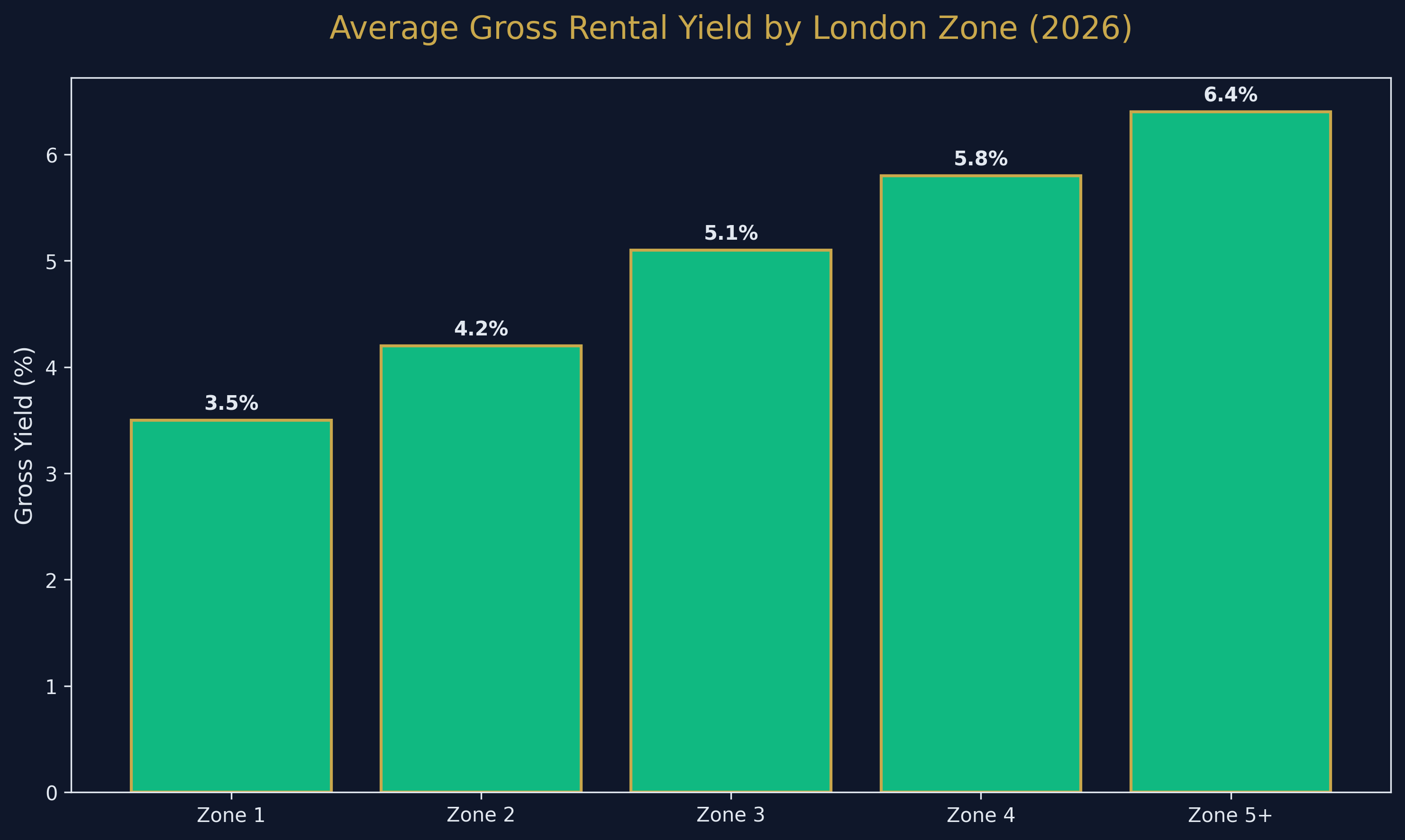
Rental growth, while slowing from the frenetic double-digit spikes of 2023-2024, remains highly robust. Investors can expect sustained high occupancy rates and attractive gross yields. The average London yield is compressing slightly but remains extremely healthy when benchmarked against historical lows in the cost of debt.
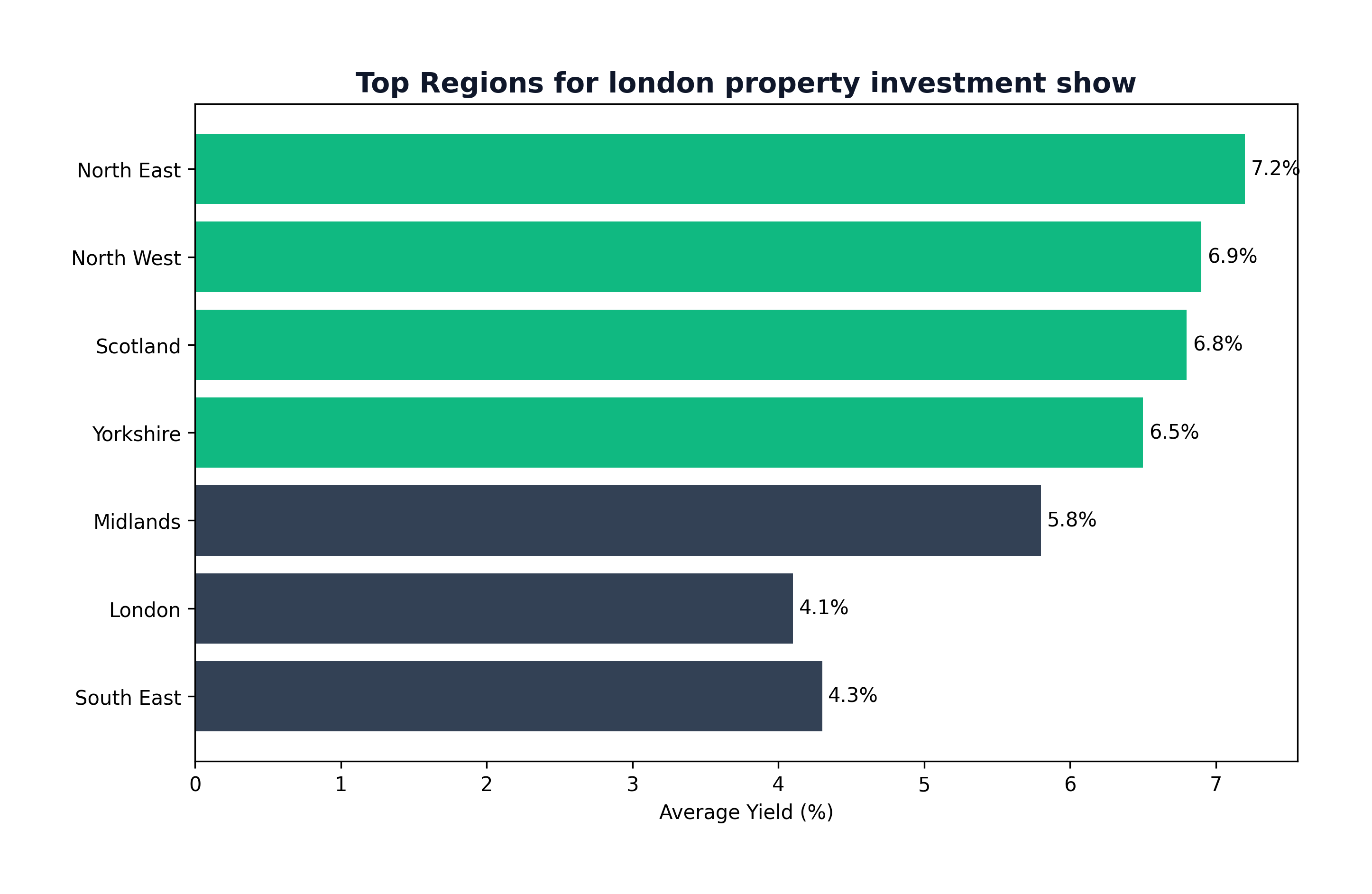
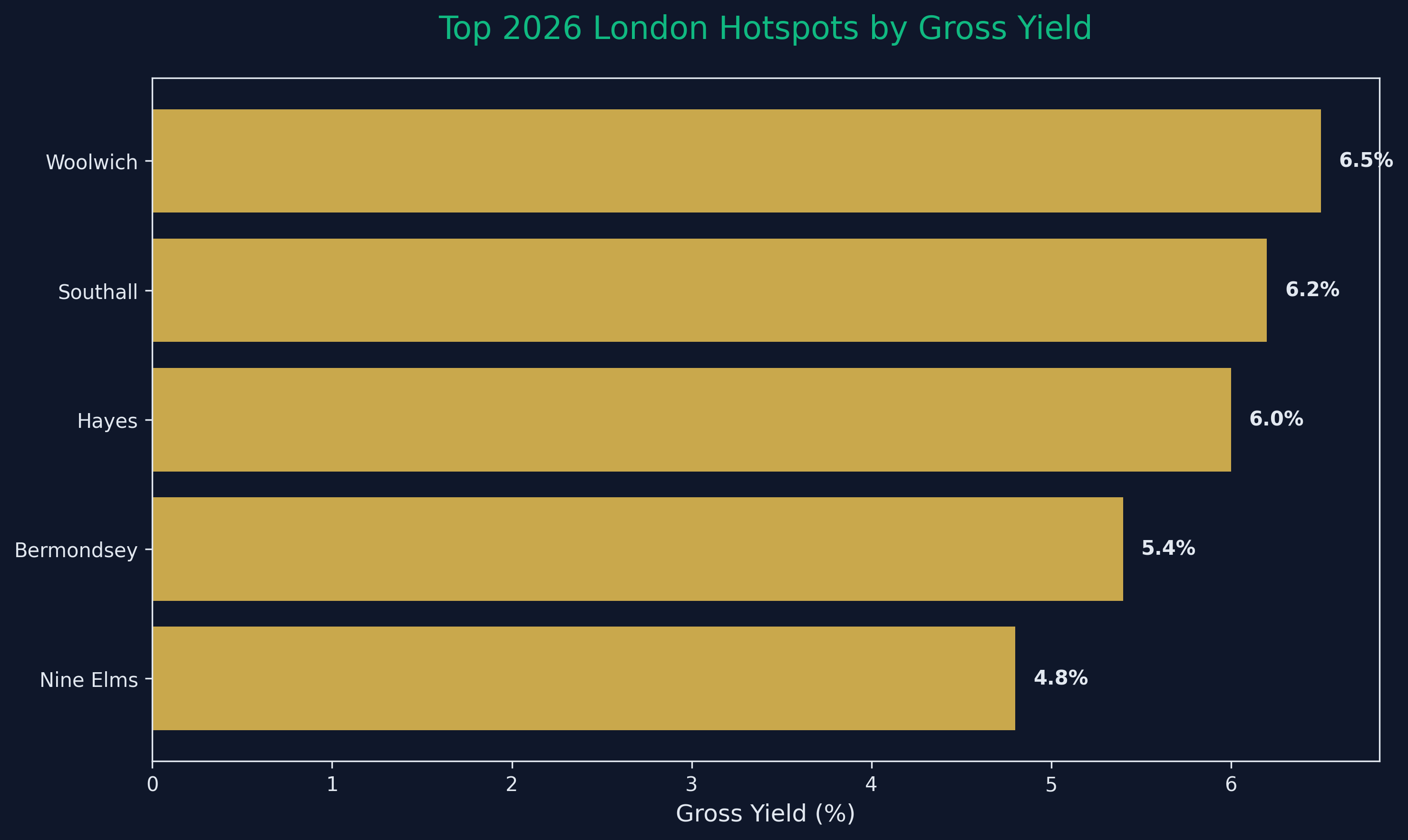
If you are asking where should i buy an investment property to maximize immediate cash flow, the answer lies decisively in East and South-East London. Outer London zones, benefiting from hybrid working patterns that prioritize space over proximity to Zone 1, are delivering average gross yields in excess of 6%.
2026 Investment Hotspots: Where the Smart Money is Moving
Identifying the optimal location requires looking beyond historical prestige and focusing on hard data: infrastructure investment, demographic shifts, and relative price per square foot. Here is a breakdown of the top-performing investment tiers in London for 2026.
Tier 1: The High-Yield Regeneration Corridors
For investors prioritizing strong rental demand and yield, outer London and extensive regeneration zones are the primary targets.
- Nine Elms and Battersea: Moving from a construction site to a fully realized neighborhood, the Northern Line extension and the gravity of the Apple UK headquarters at Battersea Power Station continue to drive enormous rental demand from high-earning tech and corporate professionals.
- White City (W12): The sprawling redevelopment around the former BBC Television Centre and the expansion of the Imperial College London campus underscore W12 as a powerhouse for both student and professional rentals.
- Southall and Hayes: The "Elizabeth Line Effect" is still maturing in these western outposts. They offer excellent value for money regarding purchase price while providing sub-30-minute commuting times to Central London, drawing immense tenant demand.
- Woolwich: The massive Royal Arsenal Riverside development has transformed Woolwich. With Crossrail connectivity, it offers Thames-side living at a fraction of the cost of Canary Wharf, making it a magnet for young professionals.
Tier 2: The Established Corporate Hubs
These areas offer a balanced profile of reliable capital preservation and consistent corporate tenant demand.
- Canary Wharf (E14): E14 has diversified away from purely financial services, attracting tech, media, and life sciences. The residential offering has improved dramatically, shifting from transient commuter pads to established residential blocks, keeping yields strong.
- Bermondsey (SE1): Bordering the City but retaining a distinct, artisanal neighborhood feel, Bermondsey commands premium rents from City workers who desire culture alongside a brief commute.
Tier 3: The Broader UK Perspective
While London dominates the conversation, savvy investors often spread their risk profile. If you are researching where to invest in property uk, it is critical to acknowledge that lower-priced regions, particularly in the North West (Manchester, Liverpool) and the Midlands (Birmingham), are forecast to outperform London in terms of percentage capital growth over the next five years. However, London retains the crown for market liquidity and absolute capital value security.
Commercial Property Insights: Adapting to the New Economy
The commercial property market in London presents a highly nuanced landscape in 2026. Growth is slower, but stability has returned, driven by institutional investors capitalizing on favorable repricing and falling bond yields.
The Flight to Quality in Office Space
The narrative surrounding the "death of the office" has been thoroughly disproven, replaced instead by a rigorous "flight to quality." Occupational demand is remarkably strong, but it is intensely focused on Grade A, ESG-compliant spaces. Tenants are discerning; they demand prime locations, exceptional amenities to lure staff back, and strict environmental certifications (BREEAM Outstanding/Excellent).
Older, secondary office stock in peripheral locations faces significant challenges and often represents prime targets for permitted development (office-to-residential) conversions.
The Rise of Flexible Workspaces and AI Infrastructure
Two specific sub-sectors are seeing explosive demand in 2026:
- Flexible Workspaces: The demand for high-end co-working centers and serviced offices in Zone 1 is accelerating. Businesses are eager to maintain agility, preferring flexible leases over long-term commitments, creating lucrative opportunities for operators and investors in this asset class.
- AI and Data Centres: The proliferation of artificial intelligence has created an unprecedented demand for data center capacity. Procuring suitable sites with the required power infrastructure around the M25 perimeter involves fierce competition, representing one of the most dynamic commercial investment avenues currently available.
Legislative and Regulatory Horizon
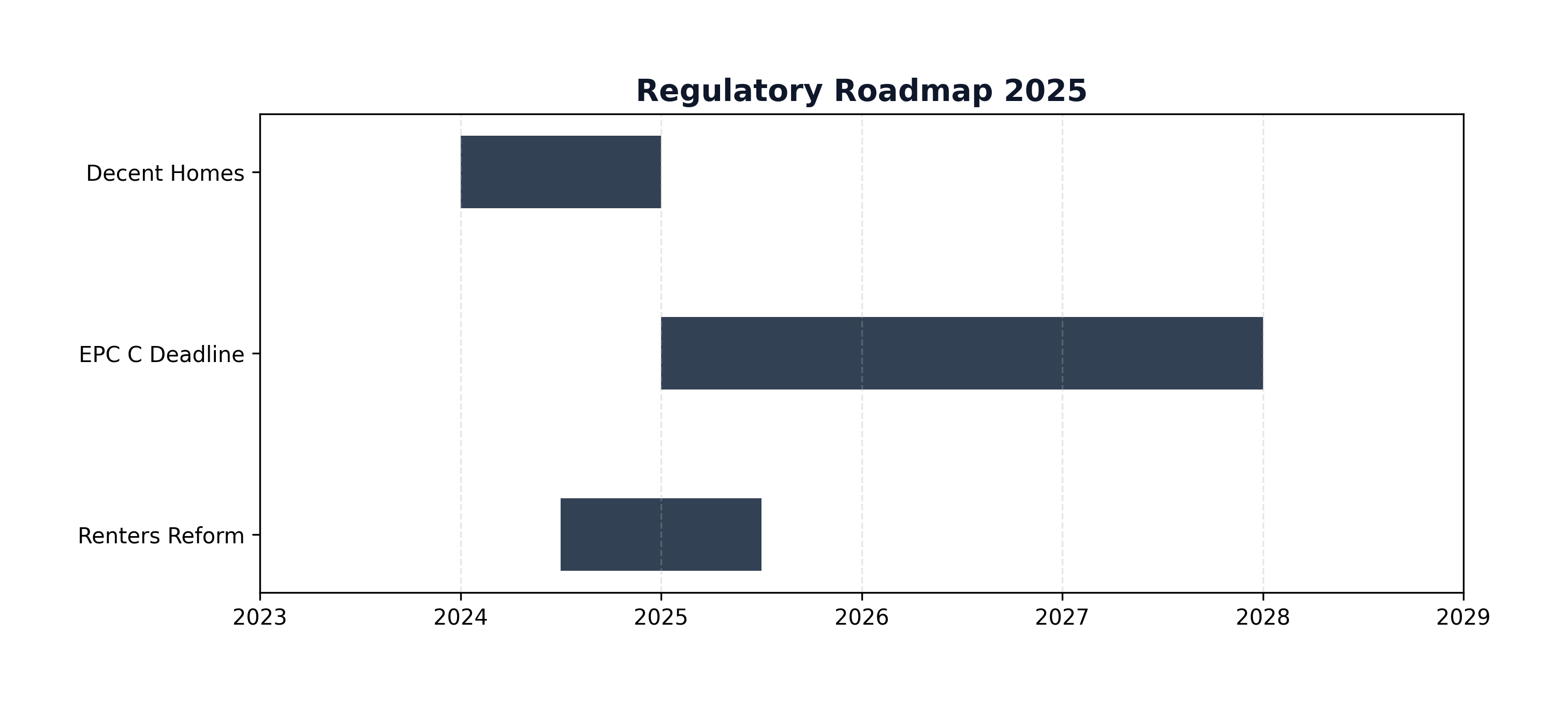
Investing in London property in 2026 requires strict adherence to an evolving regulatory landscape. The government's focus on tenant rights and environmental standards means compliance is a significant operating expense that must be factored into yield calculations.
The Renters' Reform Era
The sweeping changes introduced under the Renters' Rights legislation (abolishing Section 21 "no-fault" evictions, shifting to periodic tenancies) are fully operational. While this caused initial trepidation among amateur landlords, professional investors have adapted. The reality is that good landlords with quality stock and robust referencing processes are largely unaffected, and the legislation has arguably driven amateur, highly-leveraged landlords out of the market, reducing competition for properties.
EPC Regulations and the Green Premium
Environmental Performance Certificate (EPC) regulations are tightening. Properties failing to meet minimum energy efficiency standards risk becoming "stranded assets," unable to be legally let. Conversely, a distinct "green premium" has emerged. Properties with high EPC ratings (A or B) command higher absolute rents, experience shorter void periods, and benefit from slightly preferential green mortgage rates.
Structuring Your Investment: Limited Companies vs. Personal Ownership
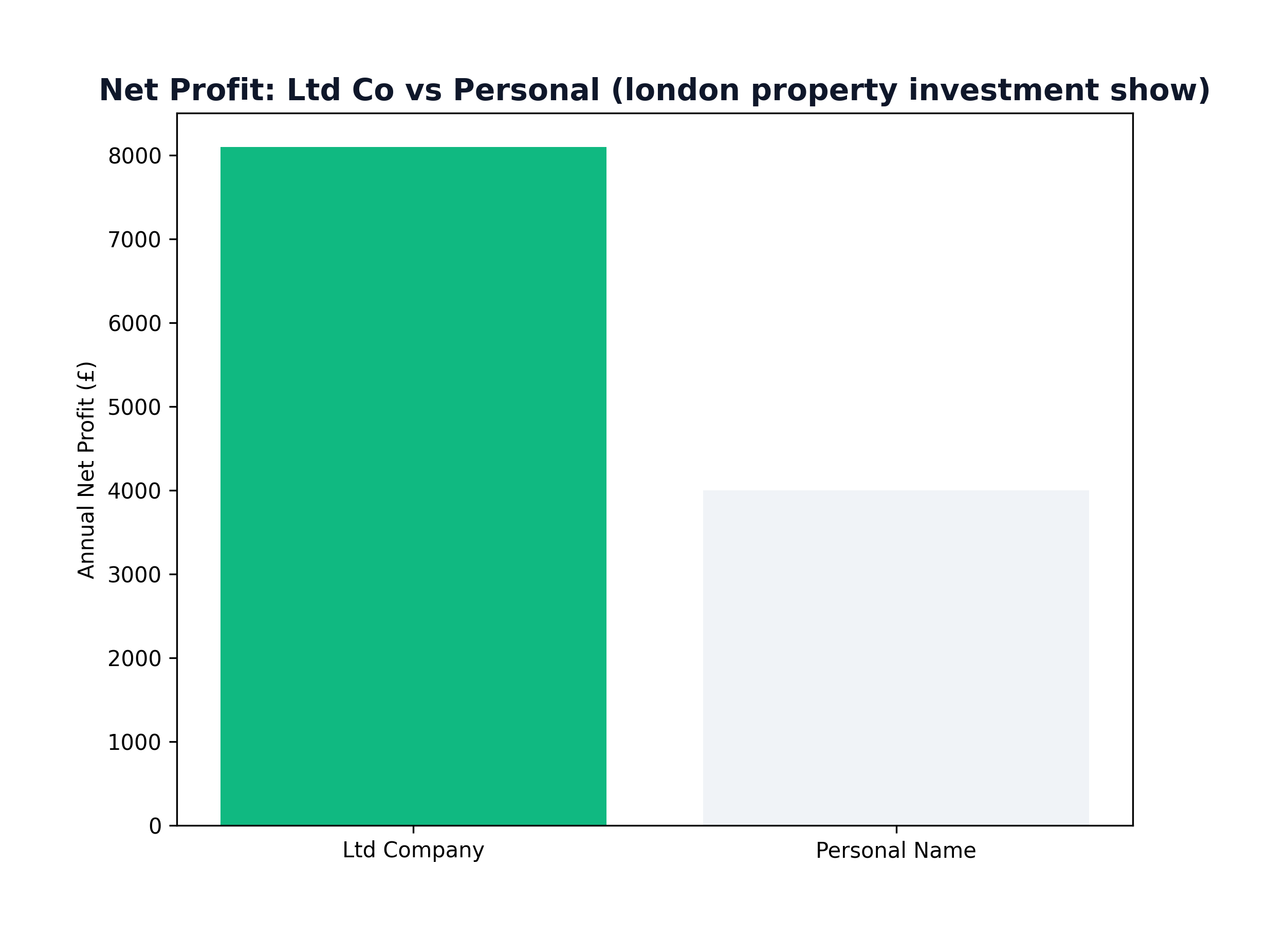
The tax environment in 2026 heavily dictates investment structuring. The restriction on mortgage interest tax relief (Section 24) for properties held in personal names remains the largest barrier to profitability for higher-rate taxpayers.
Consequently, the vast majority of new London property investment is being executed via Special Purpose Vehicles (SPVs) – limited companies established solely to hold property.
Advantages of an SPV in 2026:
- Tax Efficiency: Mortgage interest is treated as a fully deductive business expense against corporation tax, which, even at its current rates, is generally lower than the higher or additional rates of personal income tax.
- Portfolio Expansion: Profits retained within the company to fund further deposits are not subject to income tax, accelerating the snowball effect of portfolio growth.
- Inheritance Tax Planning: Corporate structures can offer more flexibility for sophisticated wealth transfer and inheritance tax planning compared to holding assets in a personal name.
Disclaimer: Shaded Canvas does not provide formalized financial or tax advice. Investors must consult with certified accountants and tax specialists regarding their individual circumstances before establishing corporate structures.
Conclusion: The Strategic Imperative for 2026
The London property investment market in 2026 rewards the analytical, data-driven investor. The days of speculative, highly-leveraged capital appreciation are subdued. Success today is defined by locking in favorable localized yields, exploiting the easing mortgage environment, navigating the "flight to quality" in commercial spaces, and maintaining rigorous compliance with evolving environmental and tenant legislation.
By targeting regeneration corridors, utilizing tax-efficient corporate structures, and prioritizing high-quality, sustainable assets, investors can construct highly resilient portfolios designed to weather economic headwinds and generate intergenerational wealth in one of the world's most enduring global cities.
Stop being a landlord. Start being an investor.
Shaded Canvas introduces serious capital to vetted UK property opportunities — targeting 12–16% net returns.
Start Investing →