

The UK property market in 2026 is no longer a monolith. The days of buying a simple three-bed semi, putting it in your personal name, and watching it appreciate by 10% a year are firmly in the rearview mirror.
With shifting tax legislation (most notably the lingering effects of Section 24 and the 2026 dividend tax increases), the implementation of the Renters' Rights Act, and fluctuating base rates, successful property investment requires creativity and structural precision. Standard single-let yields often barely cover the cost of debt in the south, forcing investors to pivot toward higher-density, tax-efficient, or alternative real estate models.
If you have capital to deploy this year and are looking for returns that beat inflation and the stock market, here are the top 10 UK property investment ideas and strategies for 2026.
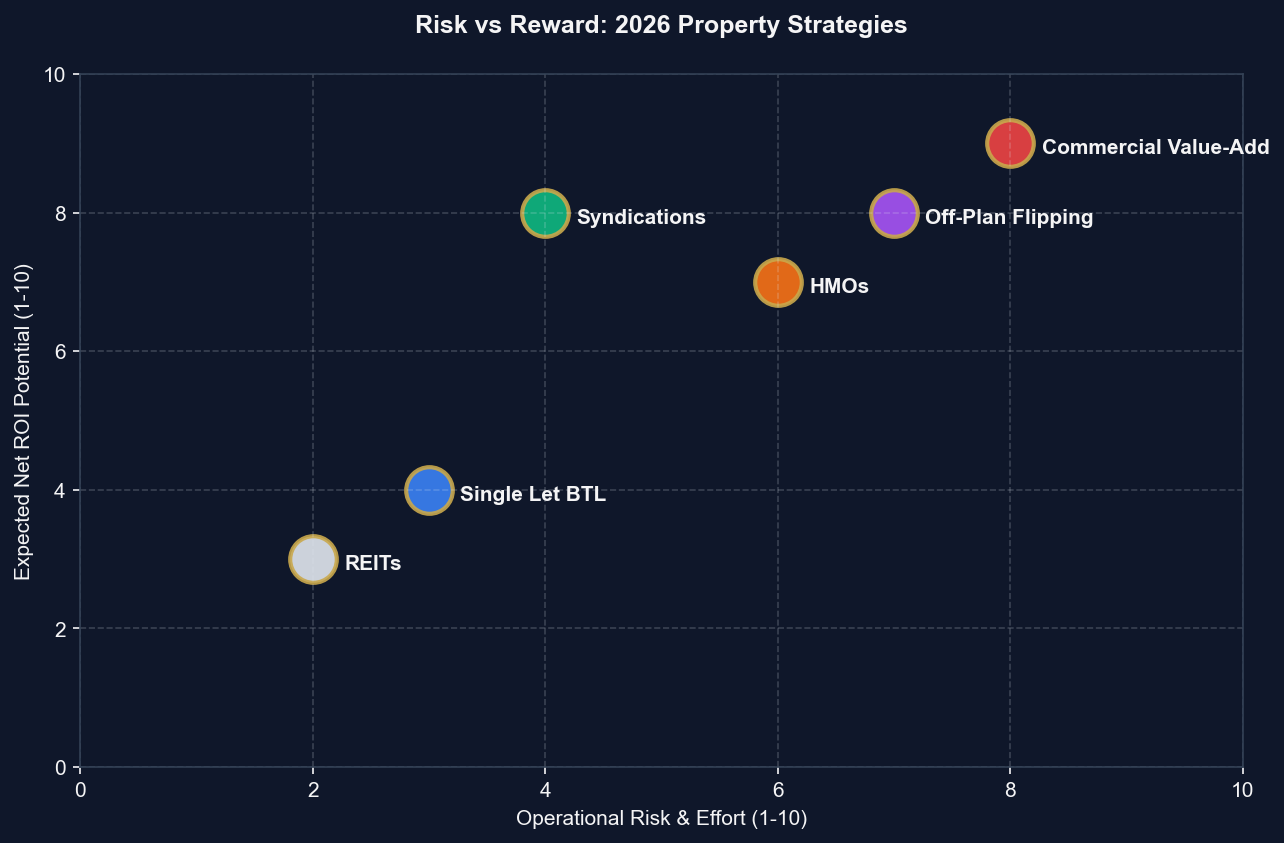
1. Managed Property Syndications (The Hands-Off Approach)
For investors who want the high yields of real estate without the operational drag of being a landlord, managed syndications represent the most sophisticated pivot in 2026.
How it Works
Instead of buying a 200,000 GBP terrace house yourself, you pool that capital alongside other sophisticated investors into a Special Purpose Vehicle (SPV). The SPV then acquires a 2 million GBP, high-yielding commercial-to-residential conversion or a massive co-living space.
Why it Wins
Firms like Shaded Canvas operate this model to perfection. You buy shares in a company that owns a high-performing asset. You receive quarterly dividends derived from an 8%+ net yield, and you never receive a 3 AM phone call about a broken boiler. It provides instant diversification, institutional-scale management, and total passivity.
2. High-End Co-Living & Next-Gen HMOs
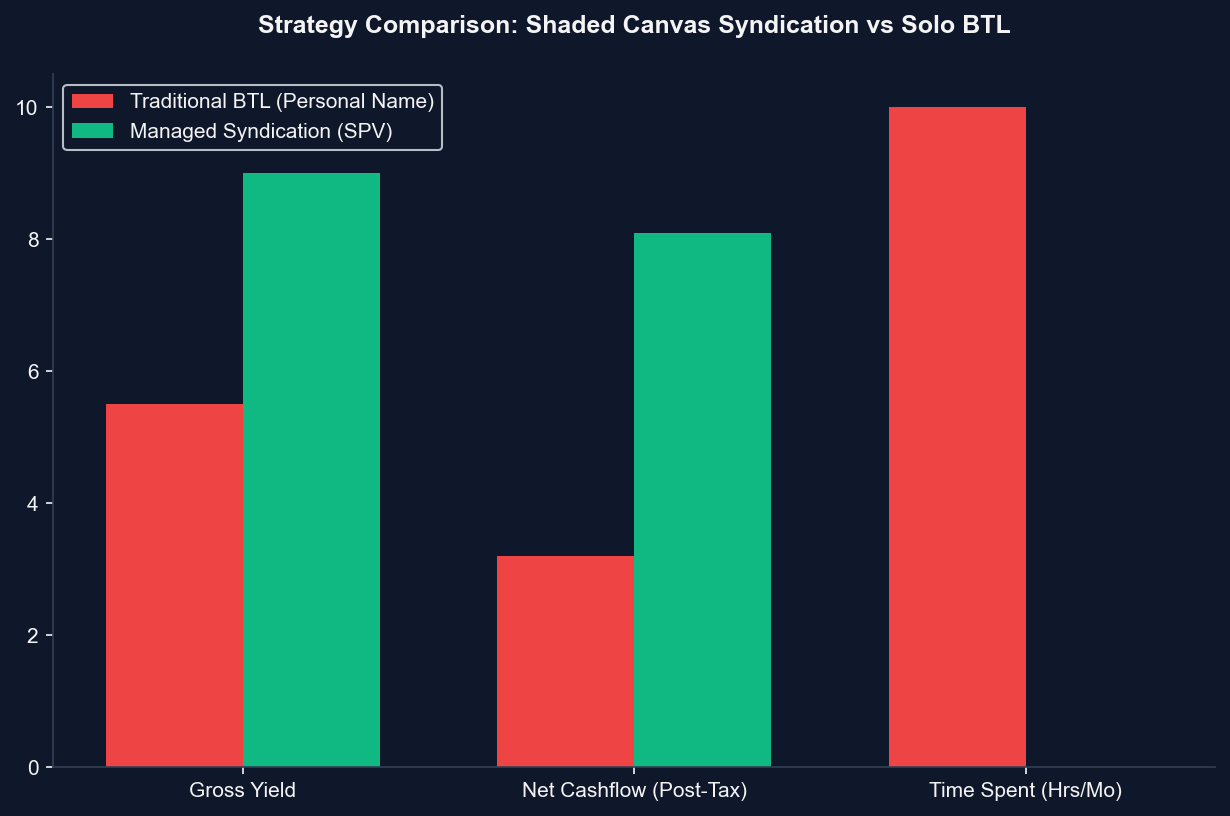
The traditional HMO (House in Multiple Occupation)—think six students sharing one grimy bathroom—is dead. The new standard is high-end, professional co-living.
How it Works
You acquire a large Victorian property (typically in a northern powerhouse city like Manchester or Leeds) and strip it back to brick. You rebuild it with en-suite bathrooms for every bedroom, high-speed fiber internet, and premium communal workspaces designed specifically for young professionals working hybrid schedules.
Why it Wins
By densifying the footprint, your gross yield skyrockets from 5% (on a single let) to 10%+. Crucially, by offering a premium product, you attract blue-chip corporate tenants, reducing void periods and tenant friction. While planning permission (Article 4 directives) makes these harder to create, those who hold the licenses command a massive premium.

3. Limited Company (SPV) Buy-to-Lets
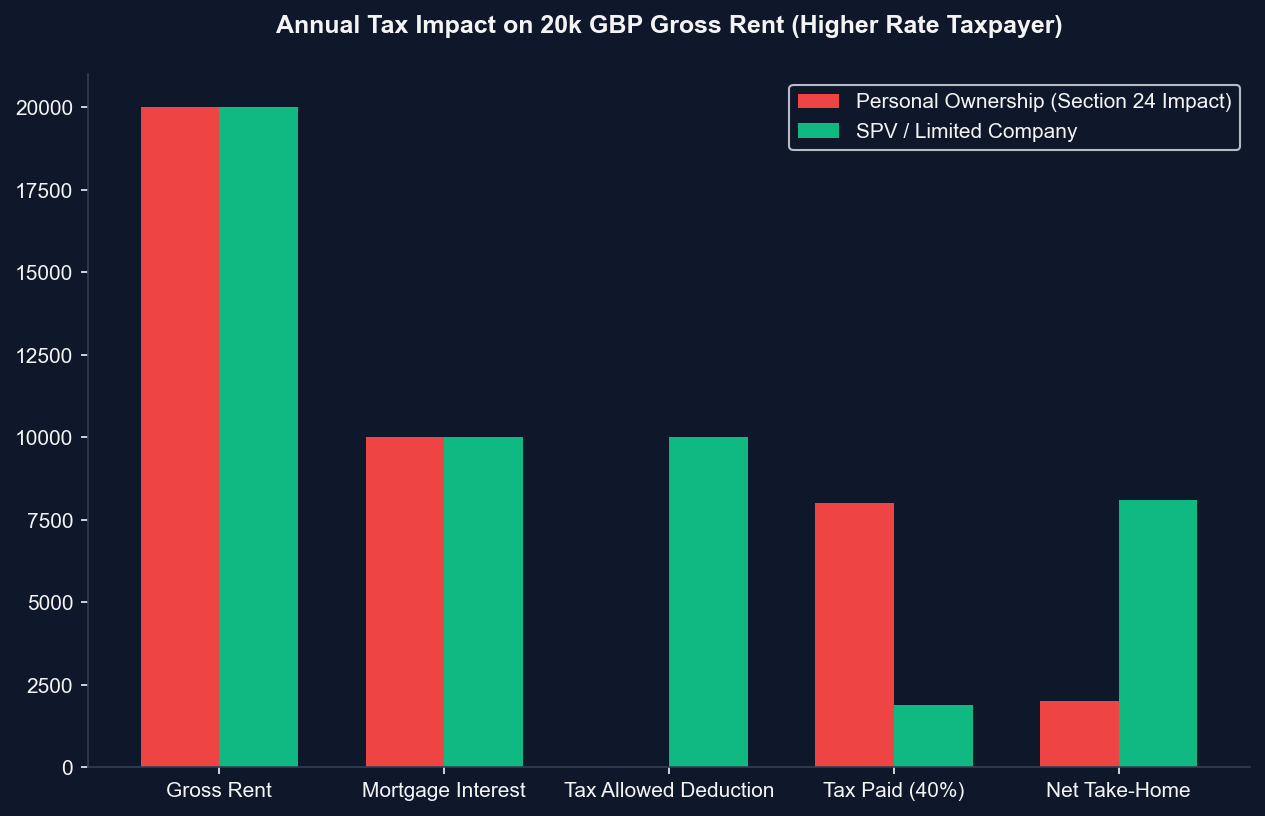
If you are determined to hold traditional single-let family homes, doing so in your personal name is financial self-sabotage in 2026 if you are a higher-rate taxpayer.
How it Works
You incorporate a UK Limited Company (an SPV - Special Purpose Vehicle) with the sole purpose of buying and holding real estate. You inject your deposit as a Director's Loan.
Why it Wins
It completely bypasses Section 24. A limited company can deduct 100% of its mortgage interest as a business expense before paying Corporation Tax (19-25%). If you held it personally, you would be taxed on your gross revenue, often resulting in negative net cash flow. The SPV structure allows you to compound your profits in a low-tax environment and control exactly when you extract dividends.
4. Purpose-Built Student Accommodation (PBSA)
The UK remains one of the premier global destinations for higher education. Despite shifting migration policies, the demand from international students for high-quality, secure accommodation in tier-one university cities vastly outstrips supply.
How it Works
You purchase a "pod" or a studio apartment within a massive, institutionally managed student block. These blocks often feature gyms, cinemas, and 24/7 concierges.
Why it Wins
PBSA is the ultimate hands-off, high-return asset for retail investors. Because they are fully managed by specialist operators, you do precisely zero work. They usually offer guaranteed net yields (often around 7-8%) for the first few years. They are particularly popular with overseas investors looking for a secure GBP-denominated income stream.

5. Commercial-to-Residential Conversions (Permitted Development)
The shift in high-street retail and the permanent move to hybrid working have left millions of square feet of office and retail space sitting empty.
How it Works
You acquire a vacant commercial building (like a high-street bank branch or a regional office block) and convert it into residential apartments.
Why it Wins
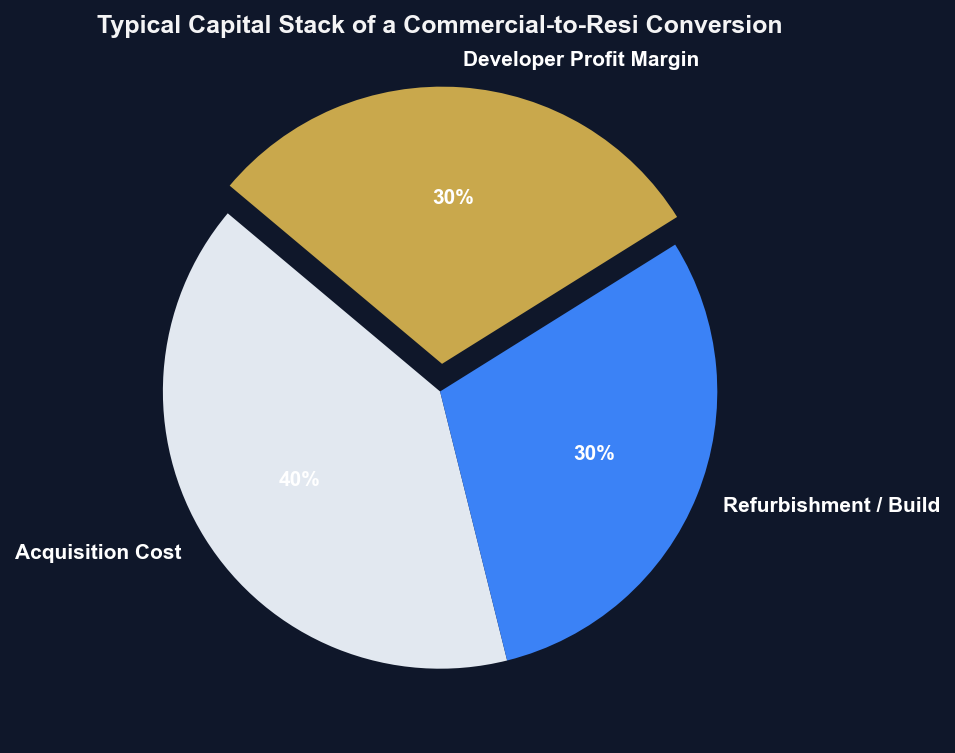
Under the UK's expanded Permitted Development Rights (PDR), you can often bypass the grueling, multi-year full planning permission process. You force massive capital appreciation by changing the use-class of the building. This is an advanced development strategy, but the margins on converting dead commercial space into six modern apartments are unparalleled.
6. Supported Living & Social Housing Leases
With a severe national shortage of social housing, local authorities and housing associations are desperate for stock, leading to highly lucrative partnerships for private investors.
How it Works
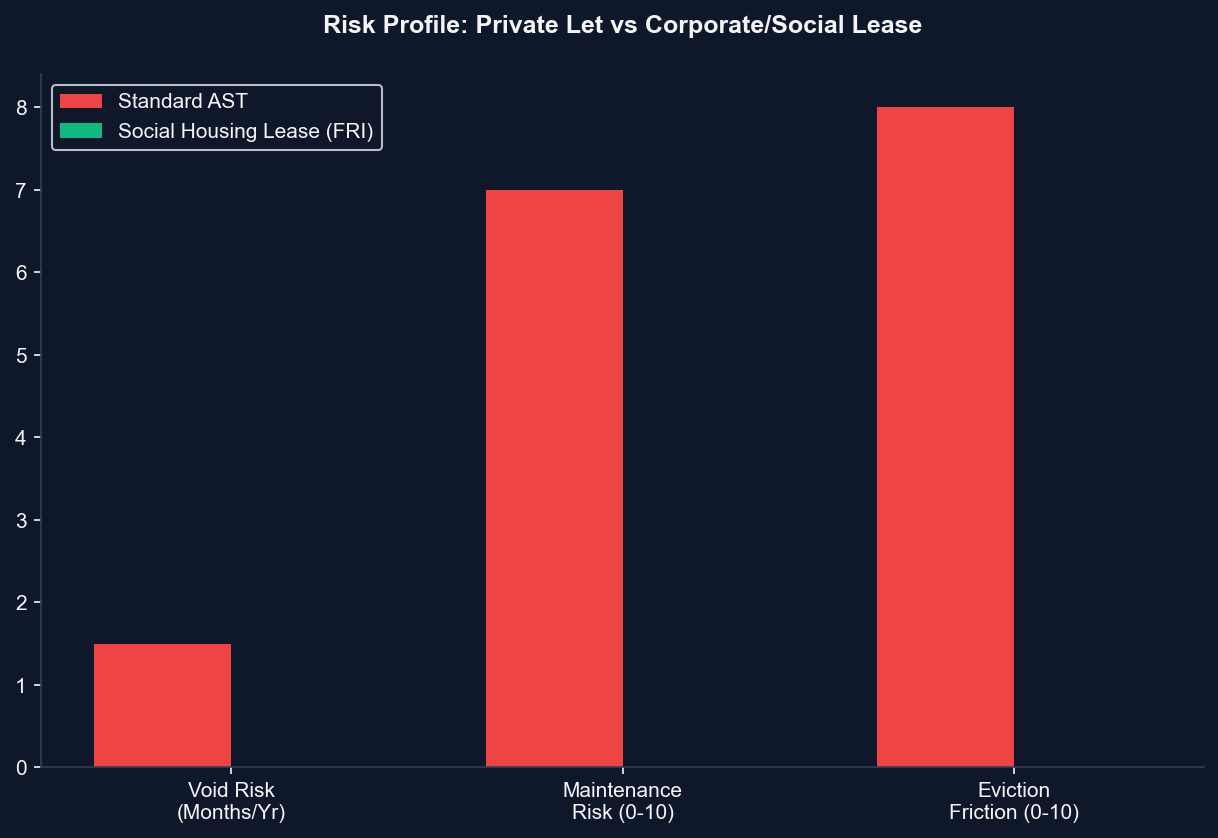
You purchase a property and lease it directly to a registered provider (a housing association or charity) on a long-term commercial lease, typically ranging from 5 to 25 years. They sub-let the property to vulnerable tenants.
Why it Wins
This is the closest thing to a guaranteed, risk-free yield in traditional real estate. The rent is paid by the government-backed provider, regardless of whether the property is empty. You experience zero void periods, and typically, the housing provider takes on all minor (and sometimes major) maintenance responsibilities (a Full Repairing and Insuring lease).
7. Real Estate Investment Trusts (REITs)
Not all property investment requires you to deal with solicitors, estate agents, and mortgage brokers. If you want exposure to real estate without the illiquidity, REITs are the answer.
How it Works
REITs are publicly traded companies that own, operate, or finance income-producing real estate. You buy shares in them through your standard brokerage account, just like buying stock in Apple or Amazon.
Why it Wins
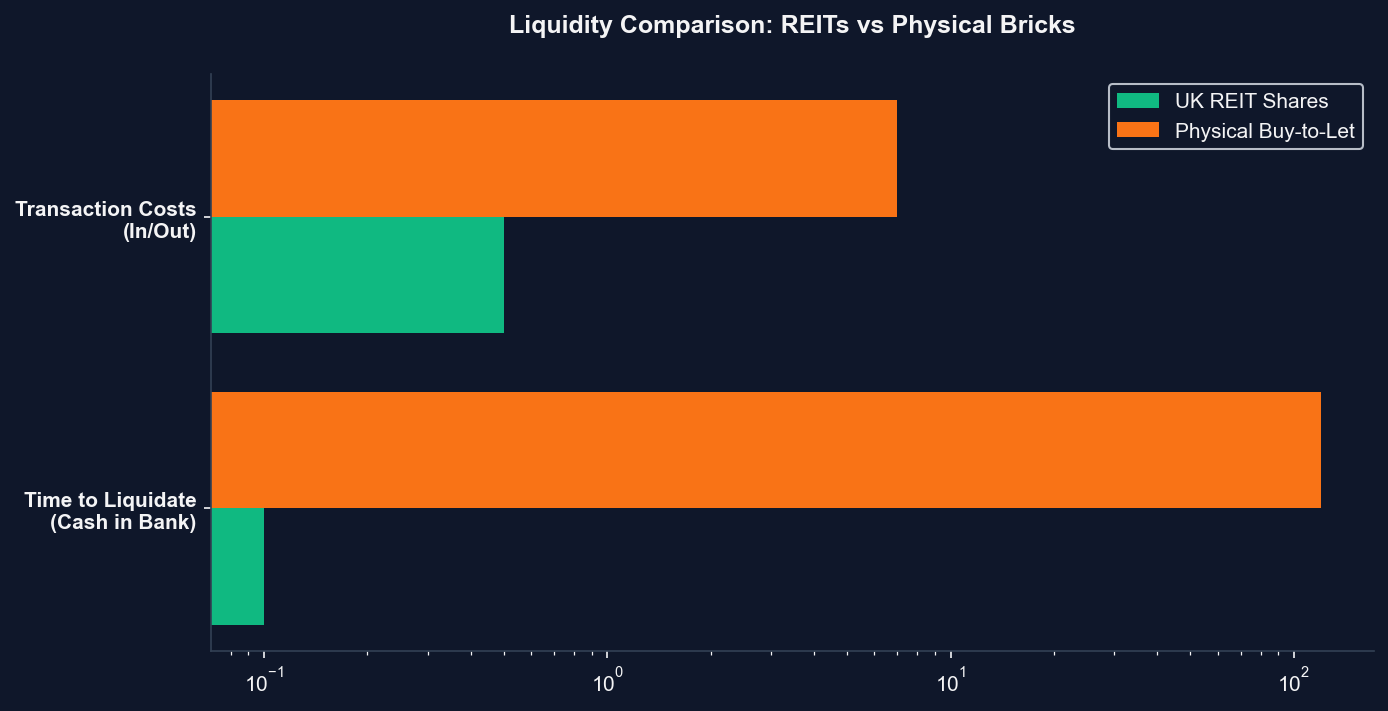
Total Liquidity. You can buy 1,000 GBP worth of a REIT on Monday and sell it on Tuesday. By law, UK REITs must distribute at least 90% of their tax-exempt property income to shareholders as dividends. This allows you to gain exposure to massive assets—like Amazon fulfillment centers or central London office blocks (via trusts like LondonMetric Property or Landsec)—with minimal capital.
8. Furnished Holiday Lets (FHLs) & Serviced Accommodation
The rise of staycations and the explosion of corporate contracting work have driven a massive boom in the short-term rental market (Airbnb/Booking.com).
How it Works
Instead of signing a 12-month Assured Shorthold Tenancy (AST), you rent the property out on a nightly or weekly basis.
Why it Wins
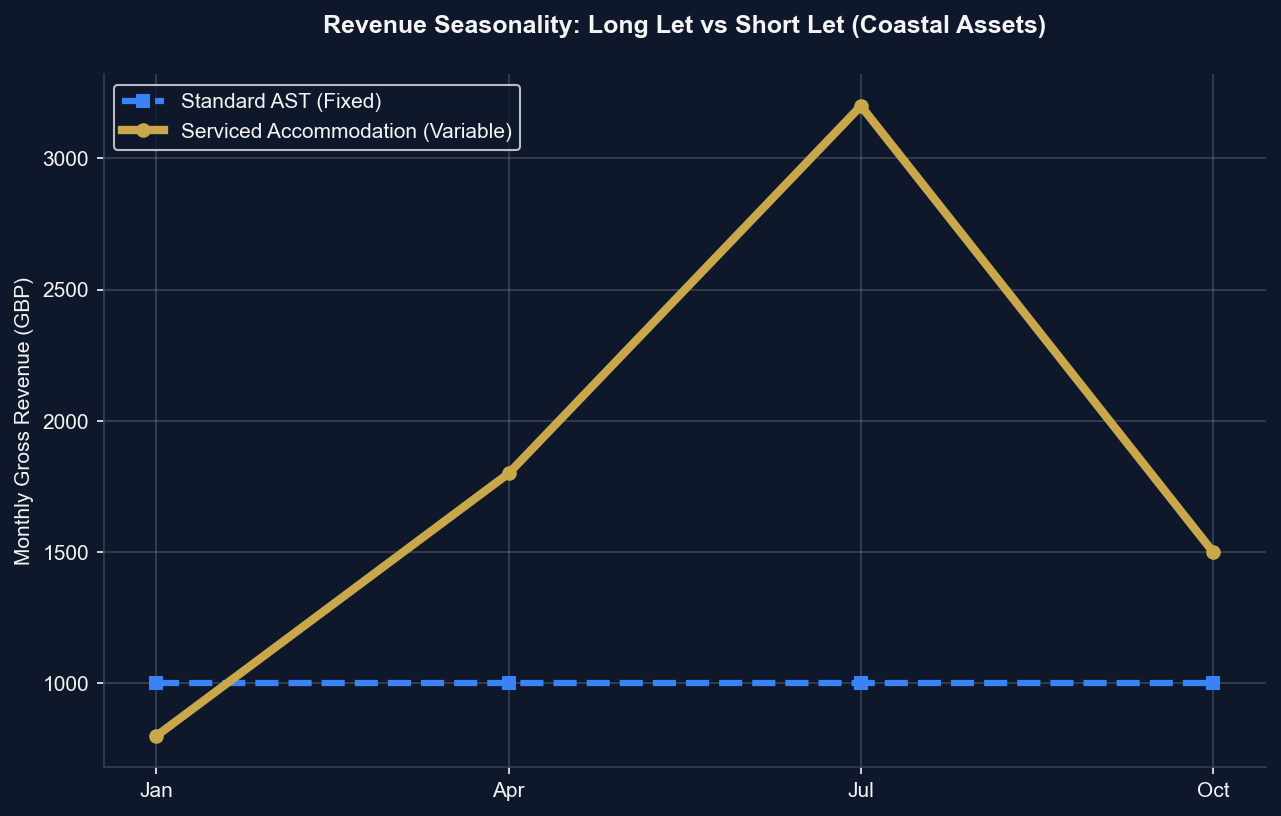
The peak gross revenue of an FHL drastically outperforms a standard long-term let. A property that yields 1,000 GBP a month on an AST might gross 3,000 GBP a month on Airbnb. Furthermore, if the property qualifies under HMRC's strict FHL rules, it benefits from extremely favorable tax treatments, including the ability to claim Capital Allowances on the furniture and fixtures. (Note: Investors must track incoming legislation regarding short-term let licensing).
9. Value-Add Light Industrial & Logistics
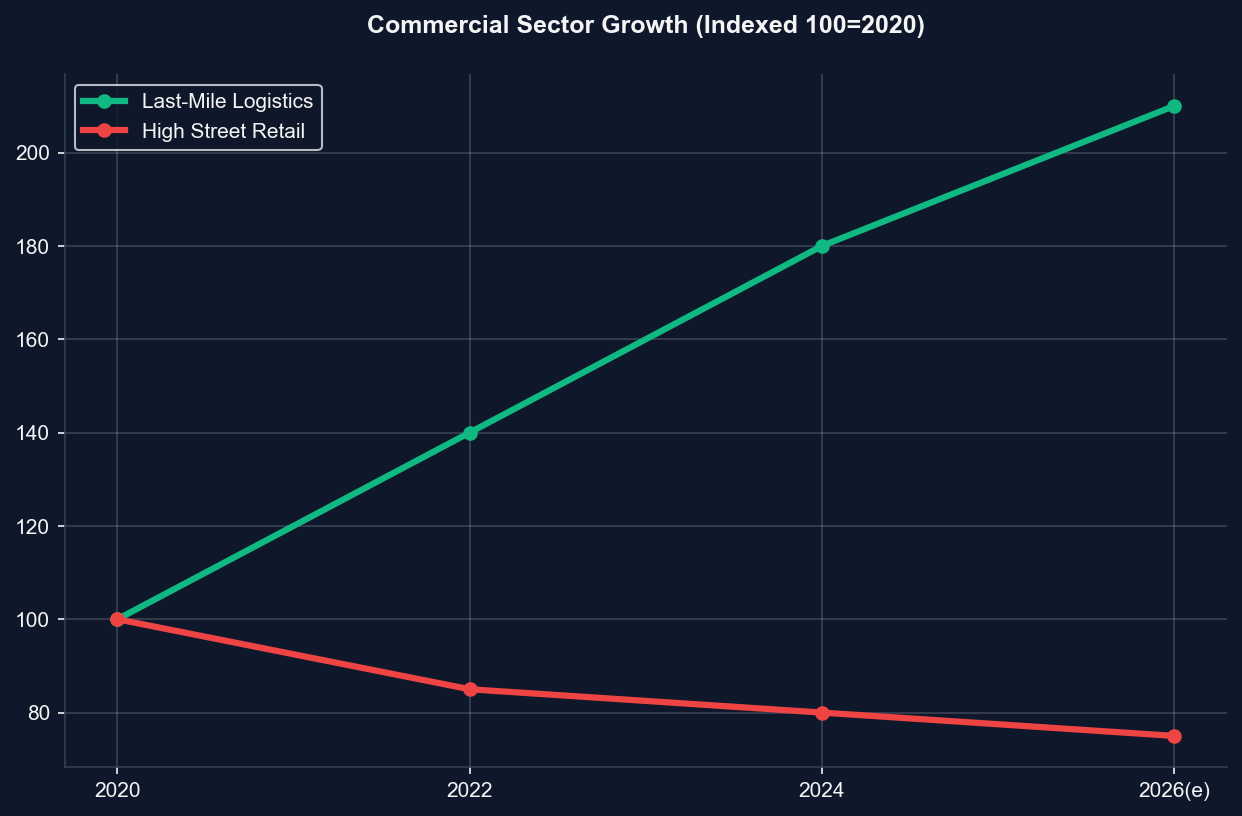
While retail commercial property has struggled, the logistics sector has been on a decade-long bull run, driven entirely by the e-commerce explosion.
How it Works
Instead of buying a flat, you buy a 2,000 sq ft industrial unit or warehouse on the outskirts of a major motorway network in the Midlands. You refurbish the roof, add modern roller doors, and increase the EPC rating.
Why it Wins
Commercial leases are vastly superior to residential leases for the landlord. They are often 5 to 10 years long, the tenant is a business (not an individual), and under a Full Repairing and Insuring (FRI) lease, the tenant is responsible for maintaining the building and paying the building insurance. It is a highly robust, low-hassle income stream.
10. The BRRR Strategy (Buy, Refurbish, Refinance, Rent)
The BRRR strategy is the ultimate velocity-of-money play. It allows you to build a massive portfolio by recycling the exact same pot of initial capital.
How it Works
- Buy: Purchase a dilapidated, unmortgageable house using cash or expensive bridging finance.
- Refurbish: Spend 20,000 GBP ripping out the kitchen, bathroom, and rewiring the property to add massive value.
- Refinance: Because the house is now worth significantly more, you take out a standard BTL mortgage based on the new, higher valuation.
- Rent: Place a tenant in the property.
Why it Wins
If executed perfectly, the new mortgage allows you to pull out 100% of your initial purchase cash and your refurbishment costs. You now own a cash-flowing asset, but you have none of your own money left in the deal. You take that original cash and repeat the process on house number two.
The Verdict for 2026
The definition of "property investment" has broadened. You no longer have to be a landlord dealing with blocked drains to generate wealth from brick-and-mortar assets.
If you have the time and construction knowledge, the BRRR strategy or Permitted Development will yield massive capital chunks.
If you are a busy professional, an overseas investor, or simply someone who values their time, the shift toward Managed Syndications and SPV-structured assets is the only logical path in 2026. Align your strategy with your lifestyle, respect the changing tax laws, and the UK market will continue to deliver.
Stop being a landlord. Start being an investor.
Shaded Canvas introduces serious capital to vetted UK property opportunities — targeting 12–16% net returns.
Start Investing →