

(. . . or 6, depending on who’s hungry)
⚠️ Warning: You may find food-related dad jokes in this blog. . . Consume responsibly .
Let’s face it—feeding a family in the UK is like funding a small army.
Between nappies, snacks, and the suspicious number of strawberries my toddler inhales, the grocery bill can sprint past £400–£600 a month.
But there are more ways to save money than just cutting down on the ‘branded stuff’ - can’t believe it’s not butter, anyone?
In fact, I’ve been saving over £2,000 a year on groceries—and I’m doing it legally (no “fell off the truck” bananas here - Everybody Hates Chris, if you know, you know).
🛒 Step 1: Supermarket Hopping Like a Loyalty Program Fugitive
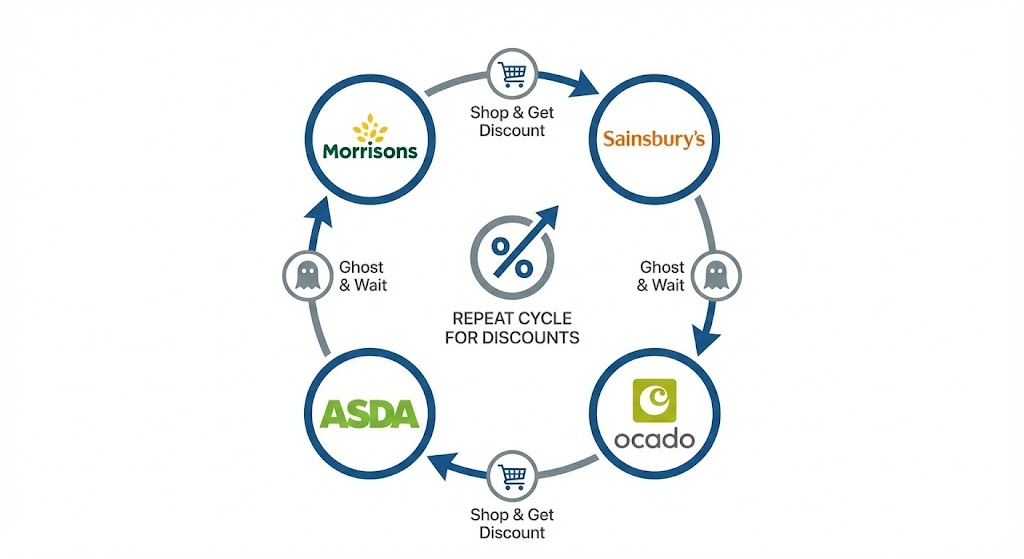
I rotate between Morrisons, Sainsbury’s, Ocado, and the often-overlooked but mighty ASDA. The key here is forgoing the innate need we have to be loyal. Nope. I’m here for the sign-up bonuses and discounts.Call me a serial (cereal?) shopper.
Here’s the new-customer bait they serve fresh out of the oven:
Once I’ve rinsed one supermarket for all it’s worth, I quietly disappear—like that last slice of cake in the fridge.
💌 Step 2: The Comeback Emails Begin
Supermarkets hate being ghosted—especially when they realise you're a VIP customer with weekly nappy orders.
(Seriously. I don’t know what my kids are eating, but the nappy consumption is next-level.)
So, a week or two after I vanish, I get emails sliding into my DM’s/inbox like:
These offers come in like clockwork. Especially when their trackers realise you shop weekly and on certain days. All you need is a rotation strategy, and boom—you’re shopping with discounts all year round.
This step alone has saved us over £1,000 this year.
💼 Step 3: Turn Grocery Shopping into a “Business Expense” (Yes, Really)
Now here’s the icing on the cake (which I may or may not have bought during a 25% off deal).
As a regular person, you pay 20% VAT on most food, cleaning products, and household items.But as a blogger?
You’re not just shopping—you’re:
Since I write about my grocery experience (like you're reading now), this qualifies as part of my business.
Which means I can legitimately claim some of my food spend as a business expense—and get that 20% tax back.That’s another potential £1,000 saved per year.
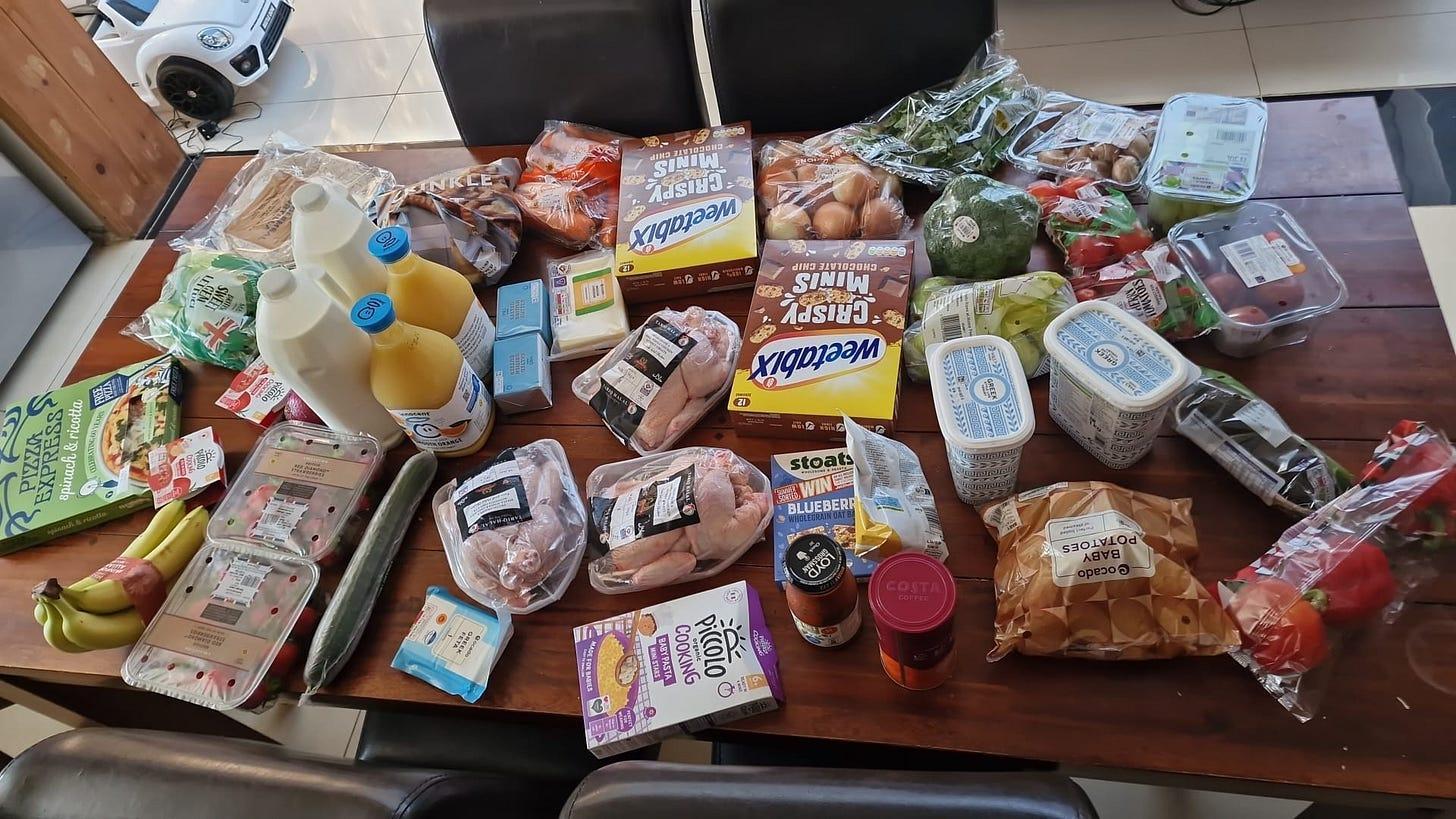
I’m not saying I do my weekly shop purely for tax purposes.I’m just saying… if I write about Ocado’s frozen pizza range afterwards, that’s between me, HMRC, and my accountant.
Meanwhile, Karen from number 12 is still paying full price at the tills.Me? I’m getting another 20% back at tax time.
Thank you, HMRC.
🧠 Final Thoughts: As Tesco Would Say, “Every Little Helps”
If you're still paying full price for weekly shopping in 2026… it might be time for an intervention.
You don’t need:
You do need:✅ A bit of organisation✅ The emotional strength to ghost supermarkets (they’ll recover)✅ A blog, newsletter, or Instagram post to justify your research
So, whether you’re feeding a growing family or just trying to keep the fridge stocked without needing a second mortgage—this strategy works.
Ghost a few supermarkets.Start a blog.And let those tax-deductible potatoes roll.
📚 Related Reading
- The Drop Servicing Model: How I Closed a £120k Deal Without Doing the Work
- Property Equity Investors UK: The Hard Truth About Building Wealth Through Bricks in 2026
- Property Sourcing Companies UK: The Complete Investor's Guide to Finding, Vetting, and Working With Deal Sourcers in 2026
- Best Capital Growth Property UK: Where Property Prices Are Actually Heading in 2026 and Beyond
- Passive Income Property UK: How to Build a Rental Portfolio That Actually Pays You in 2026
Stop being a landlord. Start being an investor.
Shaded Canvas introduces serious capital to vetted UK property opportunities — targeting 12–16% net returns.
Start Investing →

