

The landscape of UK property investment in 2026 is vastly different from the golden era of the early 2000s. With stringent EPC regulations, the Renters' Rights Bill, and elevated interest rates, the barrier to entry feels higher than ever. It forces many aspiring investors to ask: is it still possible to build a portfolio if you aren't already rich?
The short answer is yes. Learning how to invest in property uk with little money requires you to pivot away from the traditional, deposit-heavy Buy-to-Let (BTL) model and embrace creative financing, collaborative structuring, and alternative asset classes.
Whether you are starting with zero capital, £10,000, or £100,000, this comprehensive 2026 guide will demystify exactly how much to invest in property based on your specific financial situation, proving that creativity is often more valuable than cash.
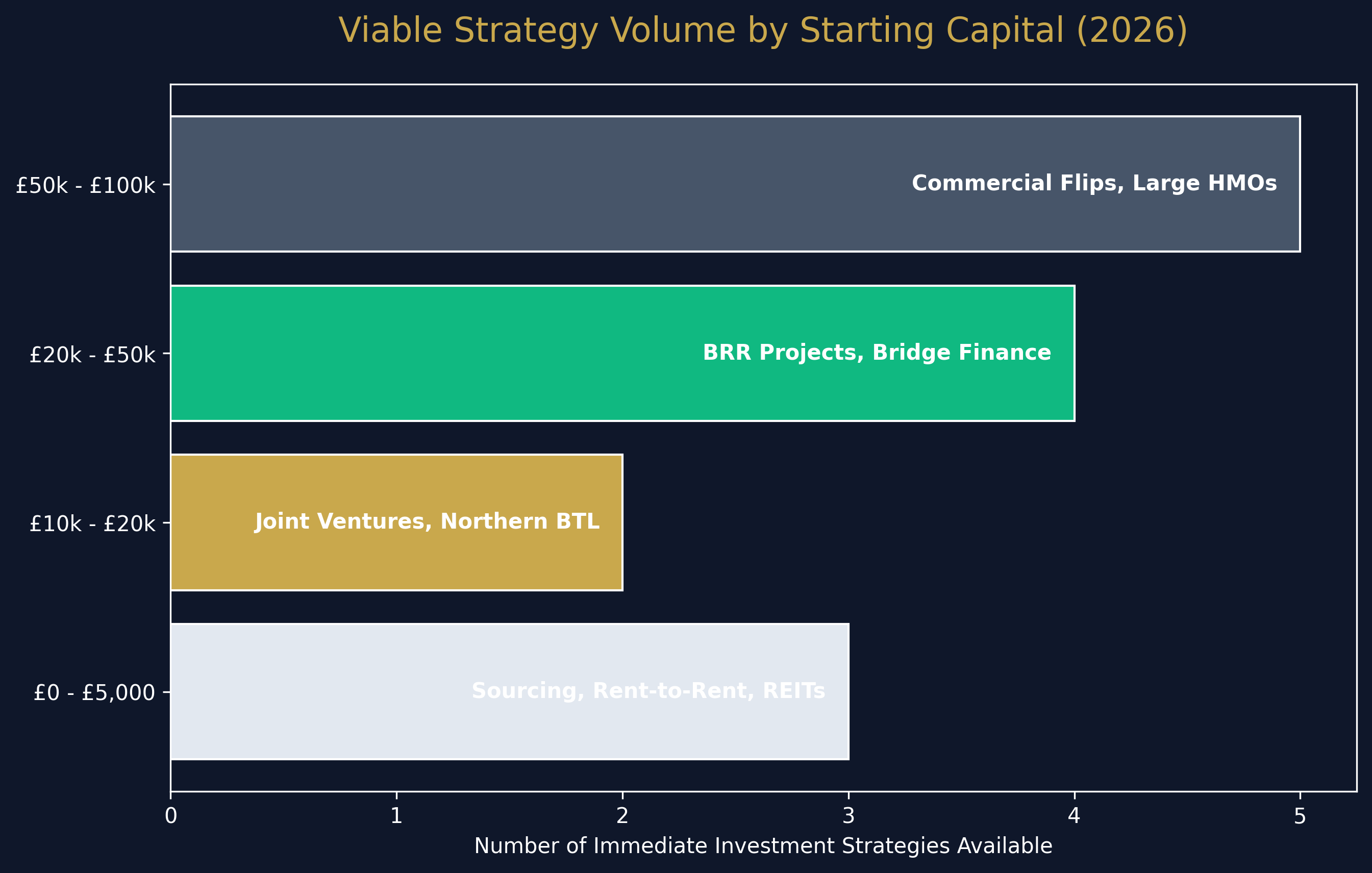
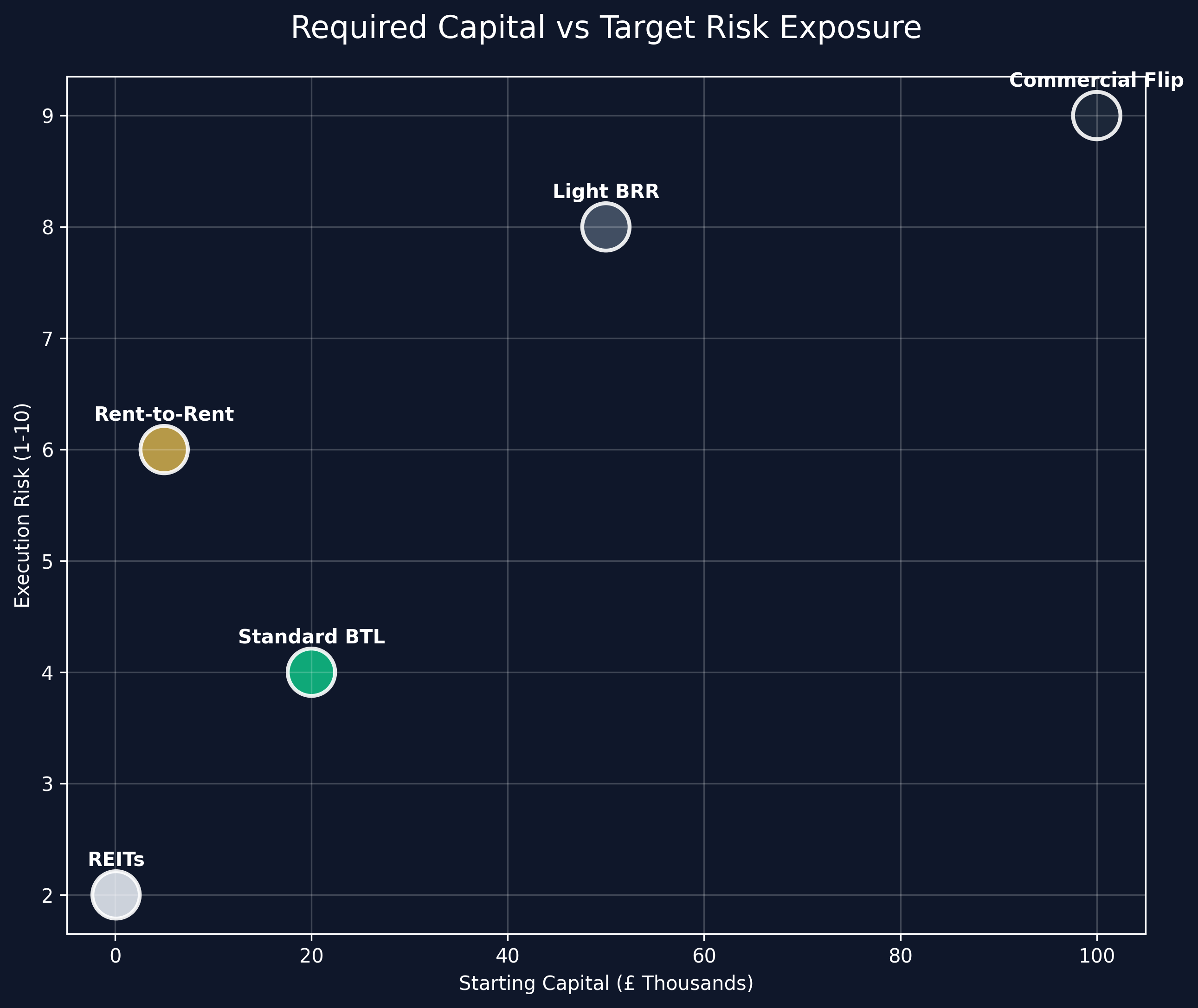
Level 1: The Zero to Low Capital Strategies (£0 - £5,000)
The internet is saturated with gurus promising secrets on how to invest in property with no money uk. While the concept of generating wealth from thin air is a slight exaggeration—you almost always need some risk capital for legal fees, marketing, or education—there are highly effective strategies for those essentially starting from scratch.
If you are researching how to get into property with no money uk, you must trade your time and hustle for someone else's equity.
1. Property Deal Sourcing
If you literally have zero capital, you cannot buy. But you can facilitate. Property sourcers act as matchmakers between motivated sellers and cash-rich investors.
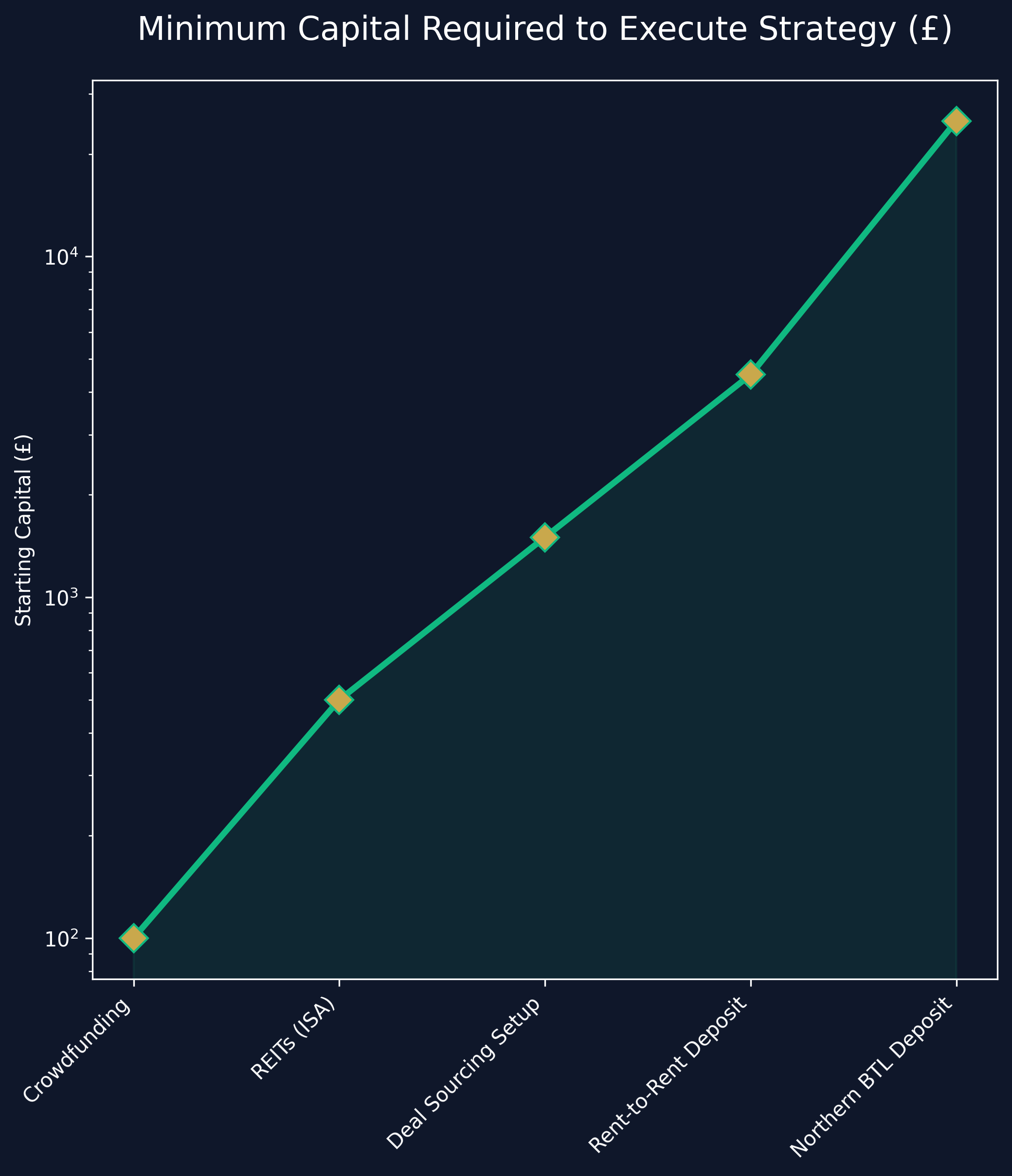
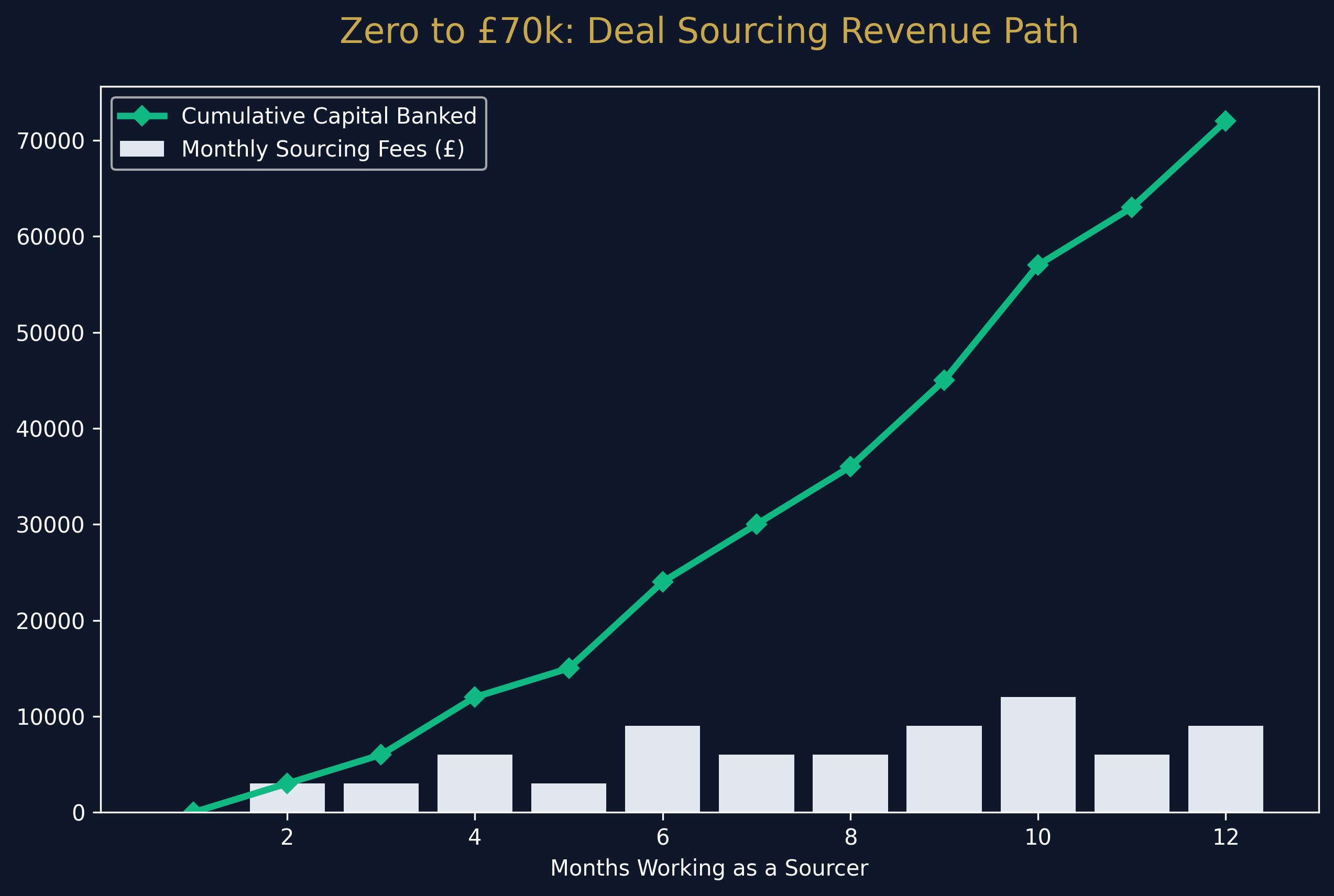
By aggressively marketing locally, building relationships with estate agents, and identifying distressed properties (probate, repossessions, structural damage), you negotiate a purchase price below market value. You then "package" this deal (with estimated refurb costs, end valuation, and ROI calculations) and sell it to a wealthy investor for a sourcing fee—typically £3,000 to £5,000 per deal.
This is the most realistic path for buying houses with no money of your own; you are using the buyer's cash to close the transaction while extracting a fee for your labor.
2. Rent-to-Rent (Corporate Lets & SA)
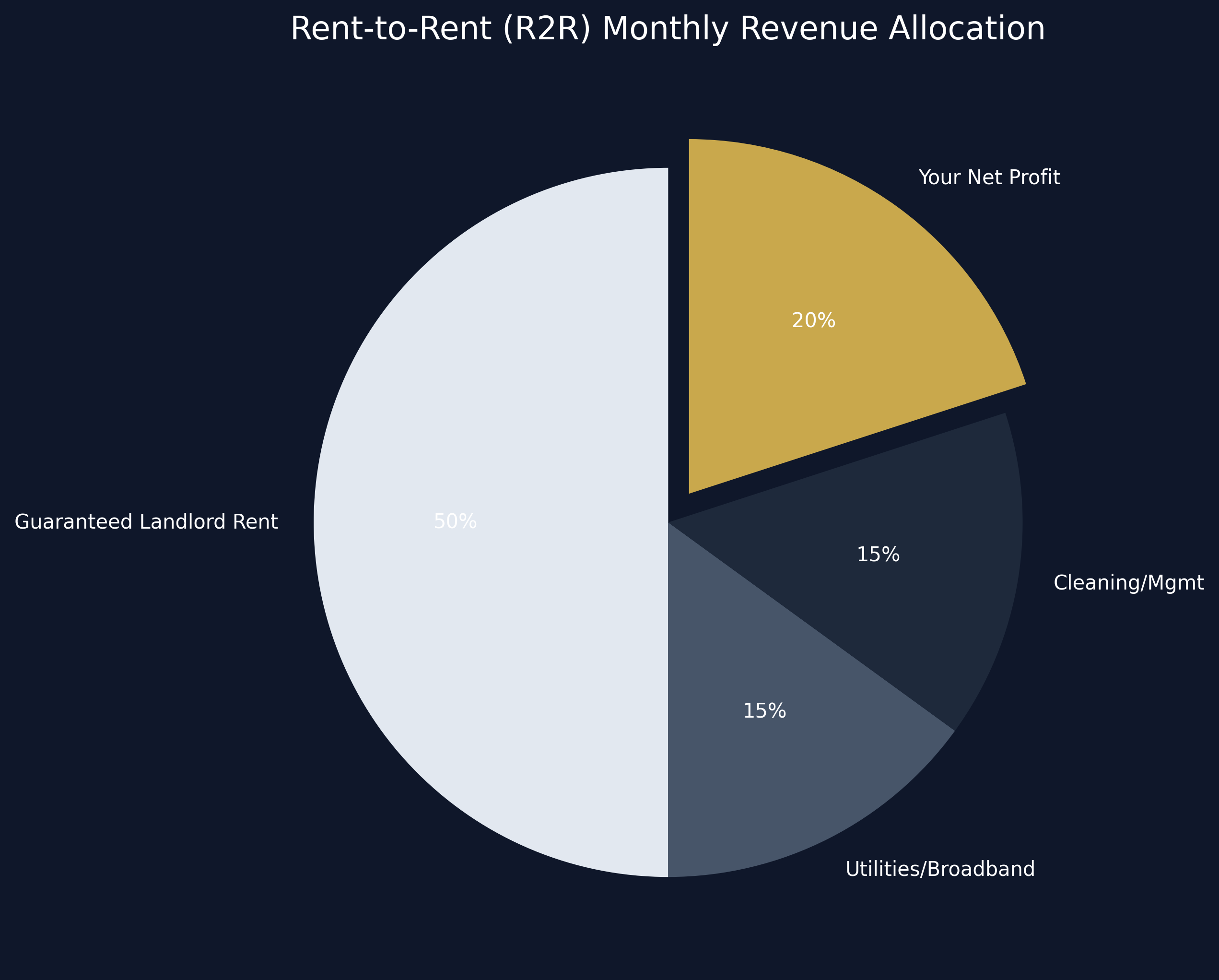
The "Rent-to-Rent" (R2R) model is a phenomenal entry point for how to invest in real estate with no money uk (or at least, very little). You rent a property from a tired landlord on a long-term corporate lease (e.g., 3-5 years), guaranteeing them a fixed monthly rent.
With their strict written permission, you temporarily upgrade the furnishings and rent the property out either room-by-room (as an HMO) or on short-term let platforms (like Airbnb or Booking.com). The margin between your guaranteed rent payment and the higher income generated from the short-term guests is your profit. Your only upfront costs are the initial deposit to the landlord and the cosmetic furnishing costs.
3. REITs and Property Crowdfunding
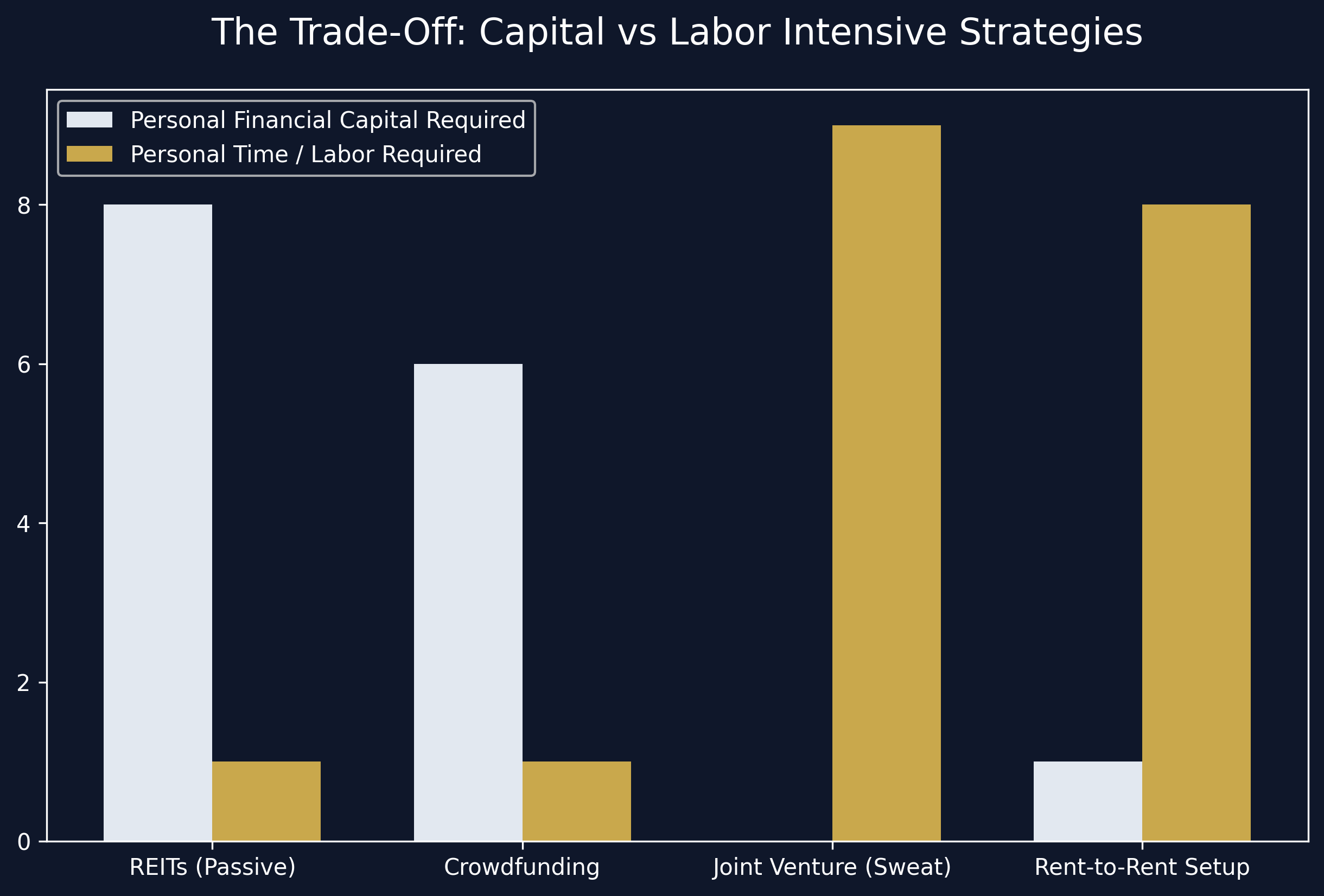
If you simply want exposure to property yields without managing brick-and-mortar assets, Real Estate Investment Trusts (REITs) are the easiest way of how to invest in real estate uk with little money.
You buy shares in these mega-portfolios via your stockbroker. Alternatively, property crowdfunding platforms allow you to invest as little as £100 alongside hundreds of others to fund a development project. It is a completely passive way of how to invest in real estate with little money uk.
Level 2: The "Seed Capital" Bracket (£10,000 - £20,000)
Moving up the capital ladder, having five figures opens the door to acquiring physical assets, provided you leverage the right geography and partnerships.
How to Invest £10,000 in Property UK
While £10k won't secure a traditional mortgage deposit in London or the South East, it is viable for buying property no money down personally by facilitating a Joint Venture (JV).
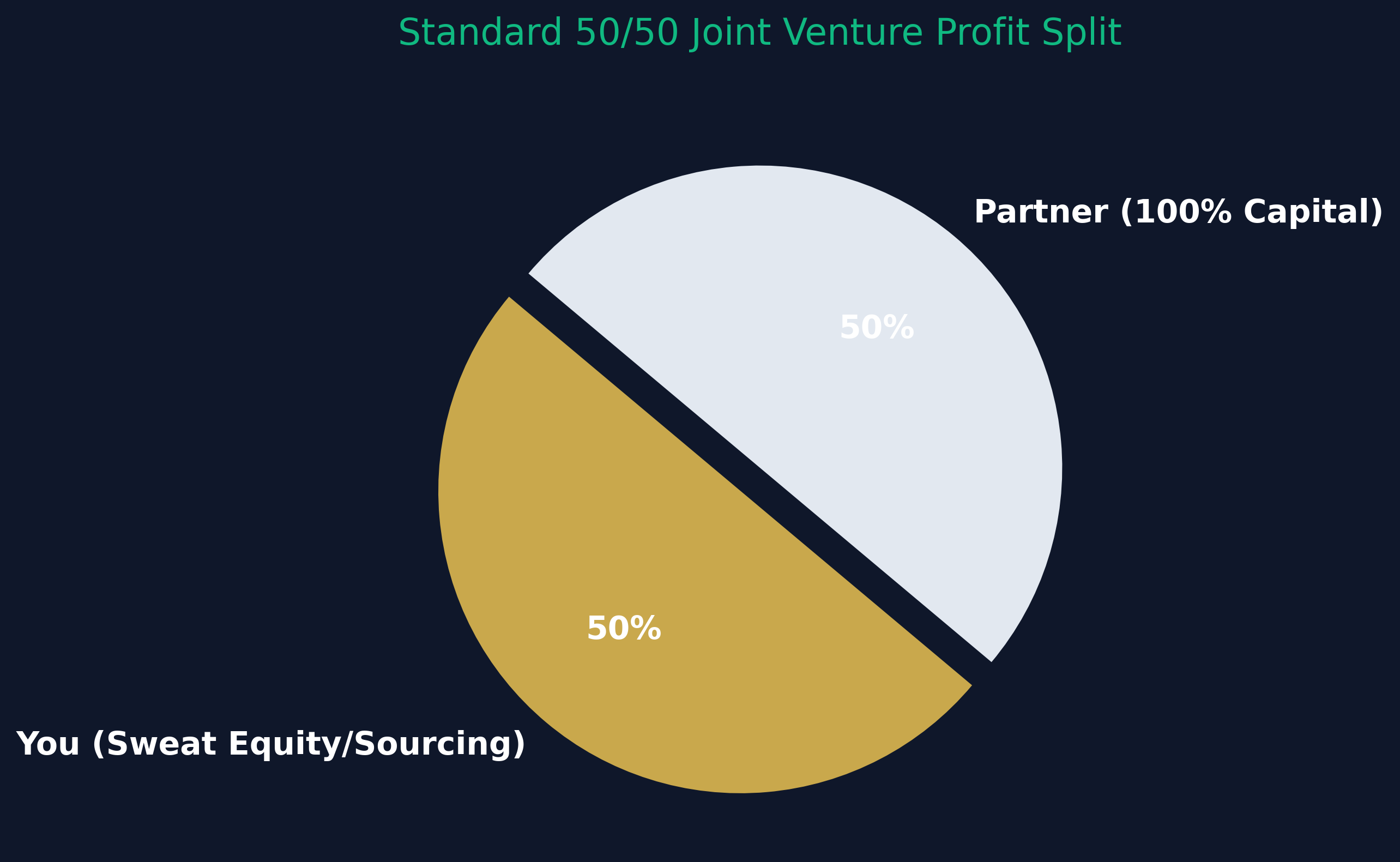
With a JV, you use your £10,000 to cover the legal setup, company formation, sourcing, and initial project management costs. You partner with a "money partner"—a high-net-worth individual who provides the actual deposit and refurbishment cash. You do 100% of the work; they provide 100% of the heavy capital. You split the monthly profit and capital uplift 50/50. This is the ultimate execution of buying property with no money (from your own savings account) to clear the main hurdle.
This strategy answers the dilemma of how to buy property with no money uk by shifting the financial burden to an equity partner while you retain operational control.
How to Invest £20,000 in Property UK
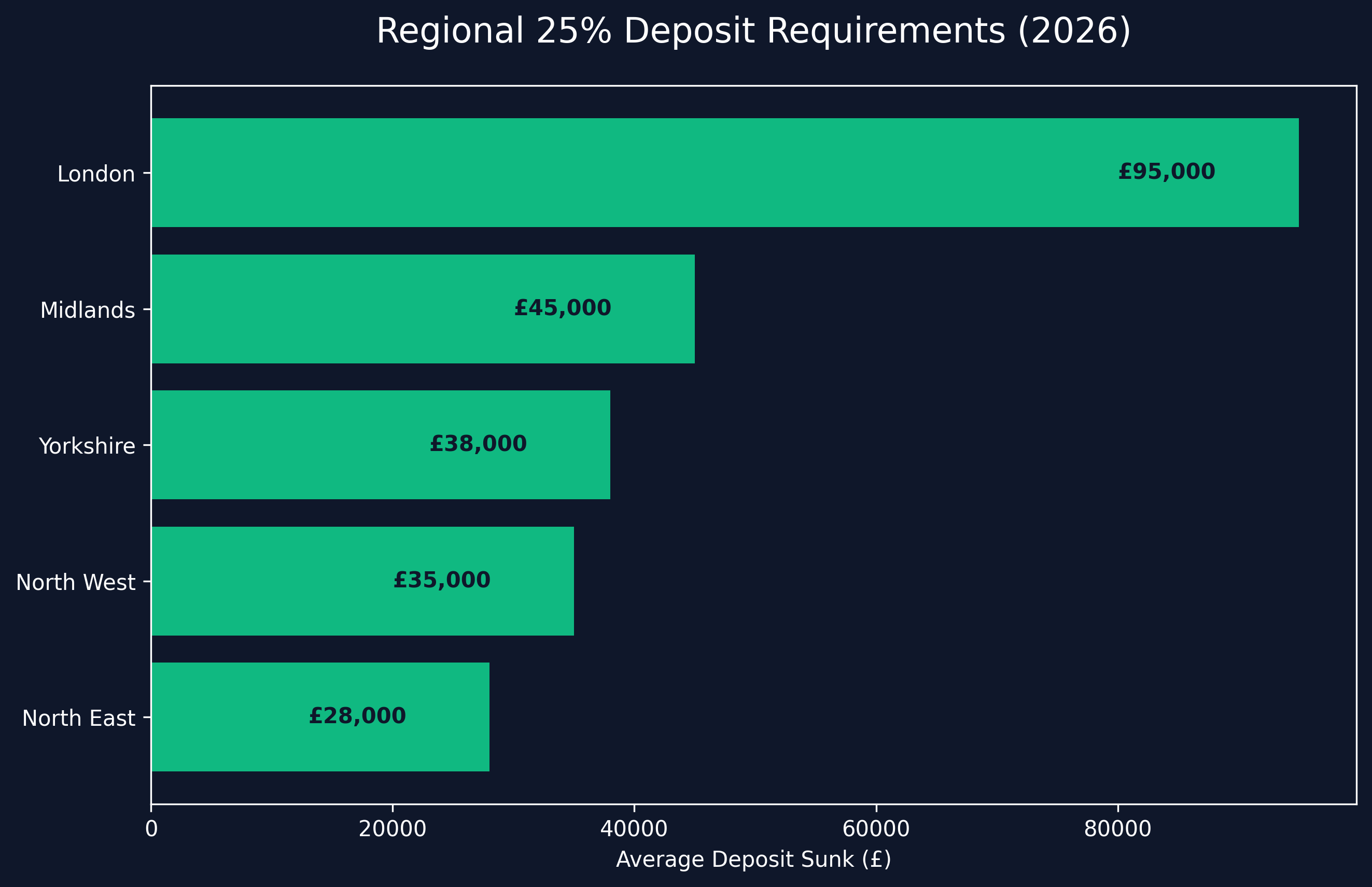
With £20k, you can begin executing strategies in high-yield, low-cost Northern hotspots. Cities like Stoke-on-Trent, parts of Liverpool, or Sunderland offer terraced housing in the £70,000 to £85,000 range.
A 25% deposit on an £80,000 property is exactly £20,000. While you will still need to creatively fund stamp duty and legals (perhaps using a 0% credit card or a small personal loan), £20k allows you to enter the physical BTL market as a sole owner, generating immediate monthly cash flow.
Level 3: The Scaling Phase (£50,000 - £100,000)
When you hit this capital threshold, you transition from searching for how to invest in property with little money uk to executing rapid portfolio expansion through velocity of money.
How to Invest £50k in Property UK
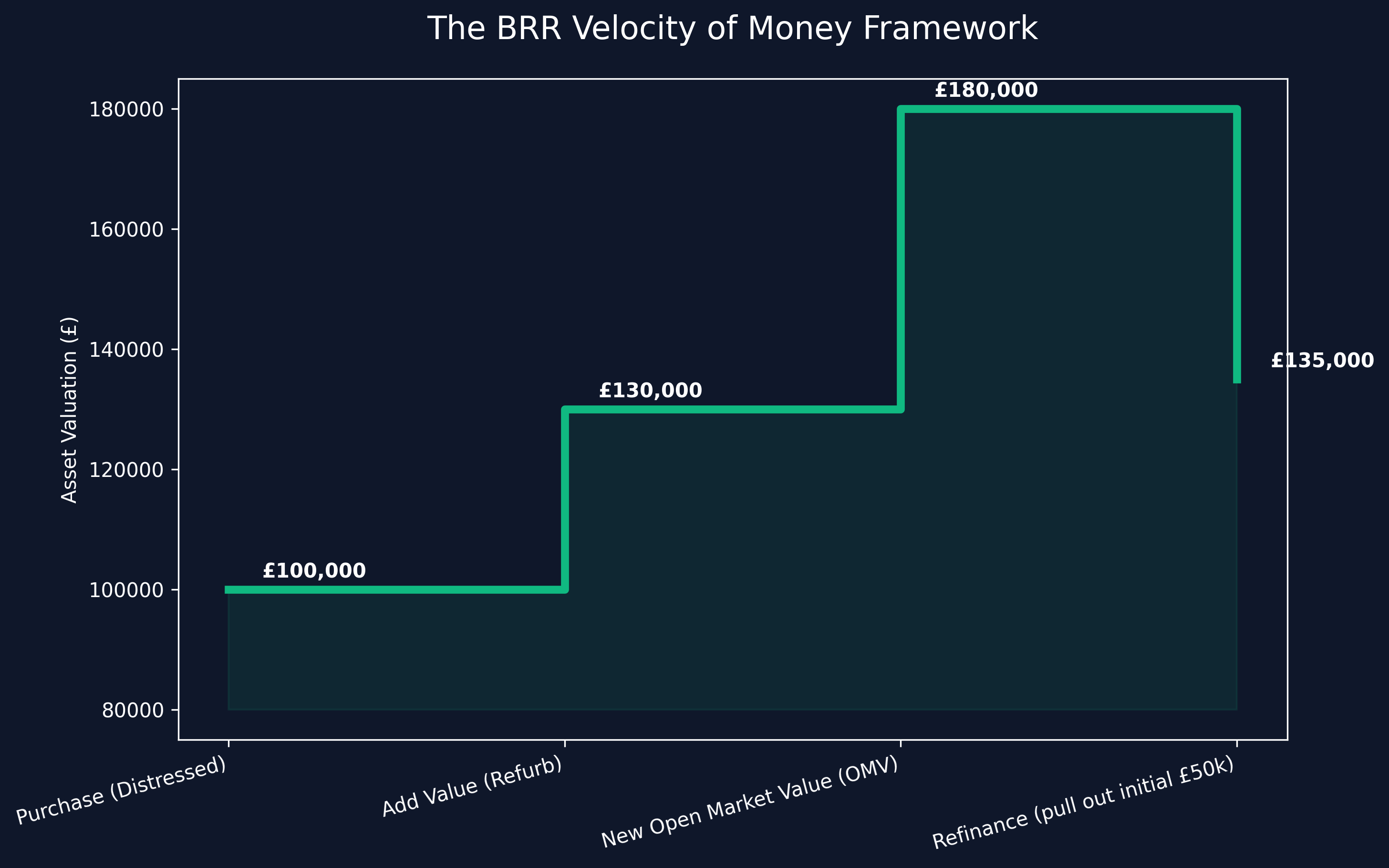
The most powerful strategy at this level is the BRR model: Buy, Refurbish, Refinance. Instead of dumping £50k into a single, ready-to-let property deposit, you use short-term bridging finance to purchase a dilapidated, unmortgageable property.
You use your £50k to cover the 25-30% bridging deposit and the severe renovation costs (new kitchen, bathroom, plumbing, damp proofing). Once the property is modernised, its pristine condition significantly increases its open market valuation. You then take out a standard BTL mortgage based on this new, higher valuation. This mortgage pays off the expensive bridge loan and, crucially, allows you to pull the majority of your original £50k back out to recycle into the next project.
This model is the closest reality to buying property without deposit being trapped in the deal.
How to Invest £100k in Property UK
At the £100,000 mark, investors in 2026 are heavily pivoting toward Commercial to Residential conversions or high-end House in Multiple Occupation (HMOs).
With £100k, you can acquire tired commercial buildings (like abandoned high street shops with uppers) through Permitted Development Rights (PDR) and convert them into three or four high-specification apartments. The scale of the capital uplift generated by creating residential units out of thin air dwarfs standard residential growth.
Alternatively, £100k allows you to buy a substantial family home in a university city, secure an HMO license, add en-suites, and rent out 6 bedrooms individually, pushing gross yields past 12% and insulating you from the higher interest rate environment.
The Myth of "No Money Down"
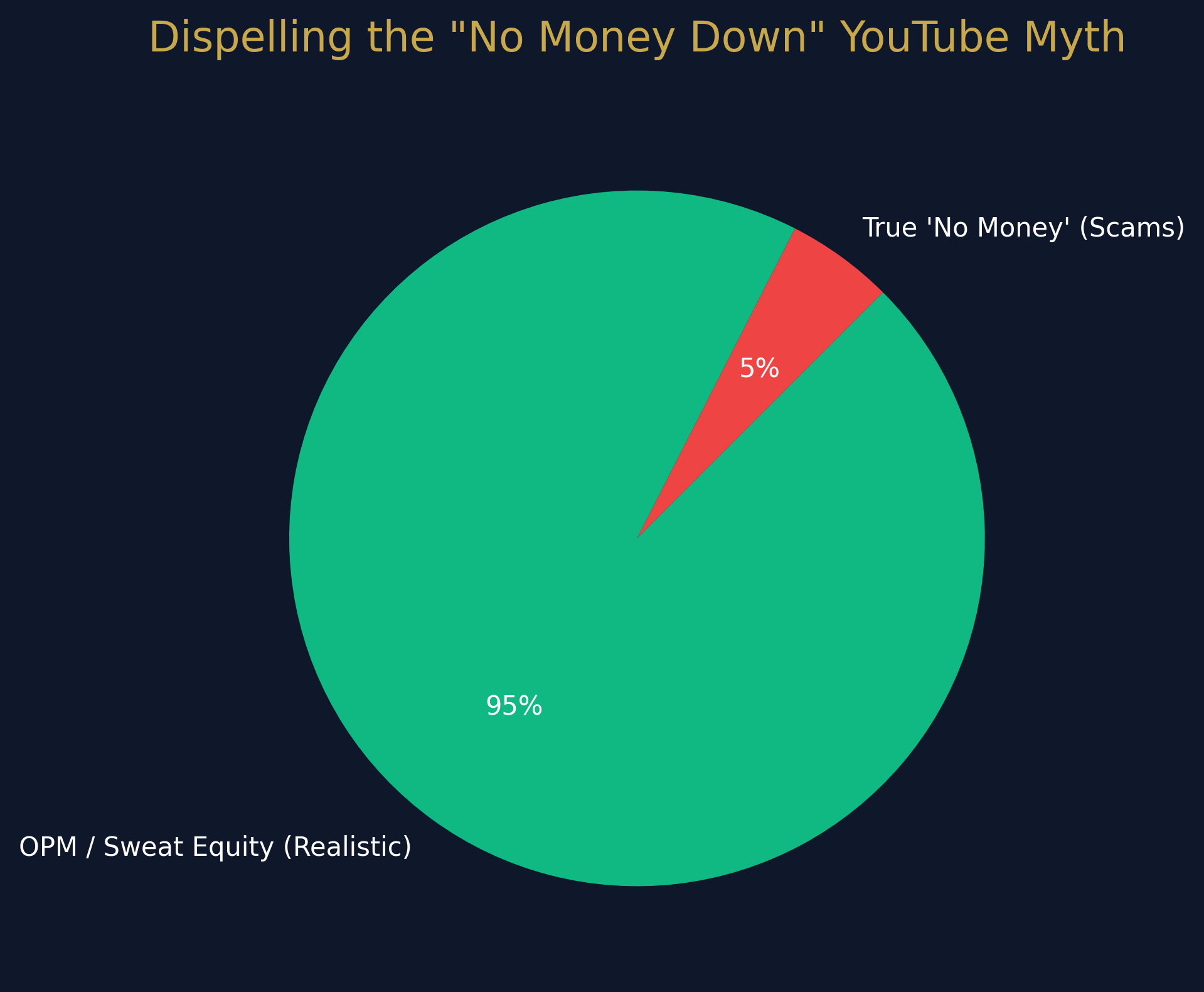
We must address the elephant in the room regarding buying property with no money down.
While strategies like Lease Options (where you agree to buy a property in 5 years at today's price, renting it out for profit in the interim) exist, true "No Money Down" generally means "None of Your Money Down." It means using investor finance, private angel loans, or JV equity. The asset still requires capital; you just have to be sophisticated enough to raise it.
Conclusion: Start Where You Are
Your lack of a £50,000 deposit is not a barrier; it is merely a filter. It filters out those unwilling to learn the complexities of deal sourcing, joint ventures, and creative finance.
Whether your Google searches focus on how to invest in property uk with little money or you are specifically mapping out how to invest 10000 in property uk, the 2026 property market demands education before execution. Build your local network, understand the difference between cash flow and capital growth, master the art of raising private finance, and you will quickly realize that in real estate, knowledge is far more liquid than cash.
Stop being a landlord. Start being an investor.
Shaded Canvas introduces serious capital to vetted UK property opportunities — targeting 12–16% net returns.
Start Investing →