

The UK property investment landscape is infamous for blurring its definitions. Walk into any property networking event in London or Manchester, and you will hear "sourcing" and "packaging" used entirely interchangeably. This linguistic laziness costs uneducated investors hundreds of thousands of pounds annually.
So, is deal packaging in the UK worth a £5,000 to £10,000 fee per transaction?
The answer is yes—but only if you are actually buying a packaged deal, rather than a merely "sourced" lead masquerading as one.
In this comprehensive, data-driven analysis, we will ruthlessly separate property sourcers (who sell leads) from true deal packagers (who sell structured businesses). We will dissect the anatomy of the "Deal Pack", model exactly why high-net-worth (HNW) investors willingly pay severe premiums for Option Agreements, and demonstrate how true packaging fundamentally alters the mathematical risk of property development.
1. Sourcing vs. Packaging: The £10,000 Distinction
To determine the value of a deal packager, we must first quarantine the definition of a sourcer.
A Property Sourcer acts as a lead generation engine. They scour Rightmove, execute direct-to-vendor marketing campaigns, or negotiate with distressed landlords. When they find a property priced below market value (BMV), they pass the lead to an investor. Their job ends at the introduction. The investor is entirely responsible for viewing the asset, instructing a surveyor, quoting the refurbishment, arranging finance, and physically buying the property.
A Deal Packager operates as a micro-developer prior to the point of sale. A packager does not sell you a lead; they sell you a turnkey financial model. By the time a packaged deal hits an investor’s desk, the packager has already secured legal control of the asset, acquired hard quotes from vetted builders, negotiated commercial bridge financing, and mapped the exact exit strategy.
| Metric | Property Sourcing | Deal Packaging |
|---|---|---|
| Primary Output | An unverified lead (e.g., an address and generic Rightmove photos). | A Comprehensive "Deal Pack". |
| Legal Control | None. The investor can be gazumped at any time. | High. Control established via legally binding Option Agreements or Delayed Completion. |
| Refurbishment | Estimated via rough visual inspection. | Hard quotes secured from 3 vetted structural contractors. |
| Required Time Input | Heavy (Investor must manage due diligence, legals, and build). | Minimal (Investor simply provides capital). |
| Standard Fee Profile | £2,000 - £4,000 | £5,000 - £15,000+ |
The Core Conclusion: You pay a sourcer for their geographical network. You pay a packager for the complete delegation of project management and structural risk mitigation.
2. The Anatomy of a True "Deal Pack"
If an operator demands a £7,500 packaging fee, you must demand a rigorous Deal Pack in return. A legitimate Deal Pack is a multi-page operational blueprint. It transforms physical bricks and mortar into a highly predictable bond yield.
If the packager presents you with a flimsy PDF containing Zoopla screenshots and "expected yields," they are a sourcer demanding a packager’s fee. Reject them instantly.
A true Deal Pack must contain:
A. The Option Agreement / Exclusivity Contract
True packagers never sell a deal they do not control. If they present an open-market property with no exclusivity contract, another buyer can gazump you tomorrow. Elite packagers secure an Option Agreement—a legal instrument that gives the packager the exclusive right to purchase the property at a fixed price within a fixed window (e.g., £150,000 within 6 months) for a nominal fee (e.g., £1). The packager then legally "assigns" (sells) this option to you.
B. The Schedule of Works with Hard Contracting Quotes
"Light refurb estimated at £10,000." This is the battle cry of the incompetent sourcer. A true packaged deal includes a granular Schedule of Works. It details that £3,200 is allocated to a full DPC (Damp Proof Course) injection, £4,500 to a rewire, and £2,300 to a Howdens kitchen installation. Crucially, this schedule is backed by written, fixed-price quotes from two independent, insured contractors ready to begin work on the day of completion.
C. The RICS Surveyor Report
A packager should not expect you to buy an uninspected commercial conversion. A premier package will often include a preliminary structural survey or an independent RICS (Royal Institution of Chartered Surveyors) valuation. The packager absorbs this upfront £500 cost as proof of the asset's viability.
D. The Exit Strategy Blueprint
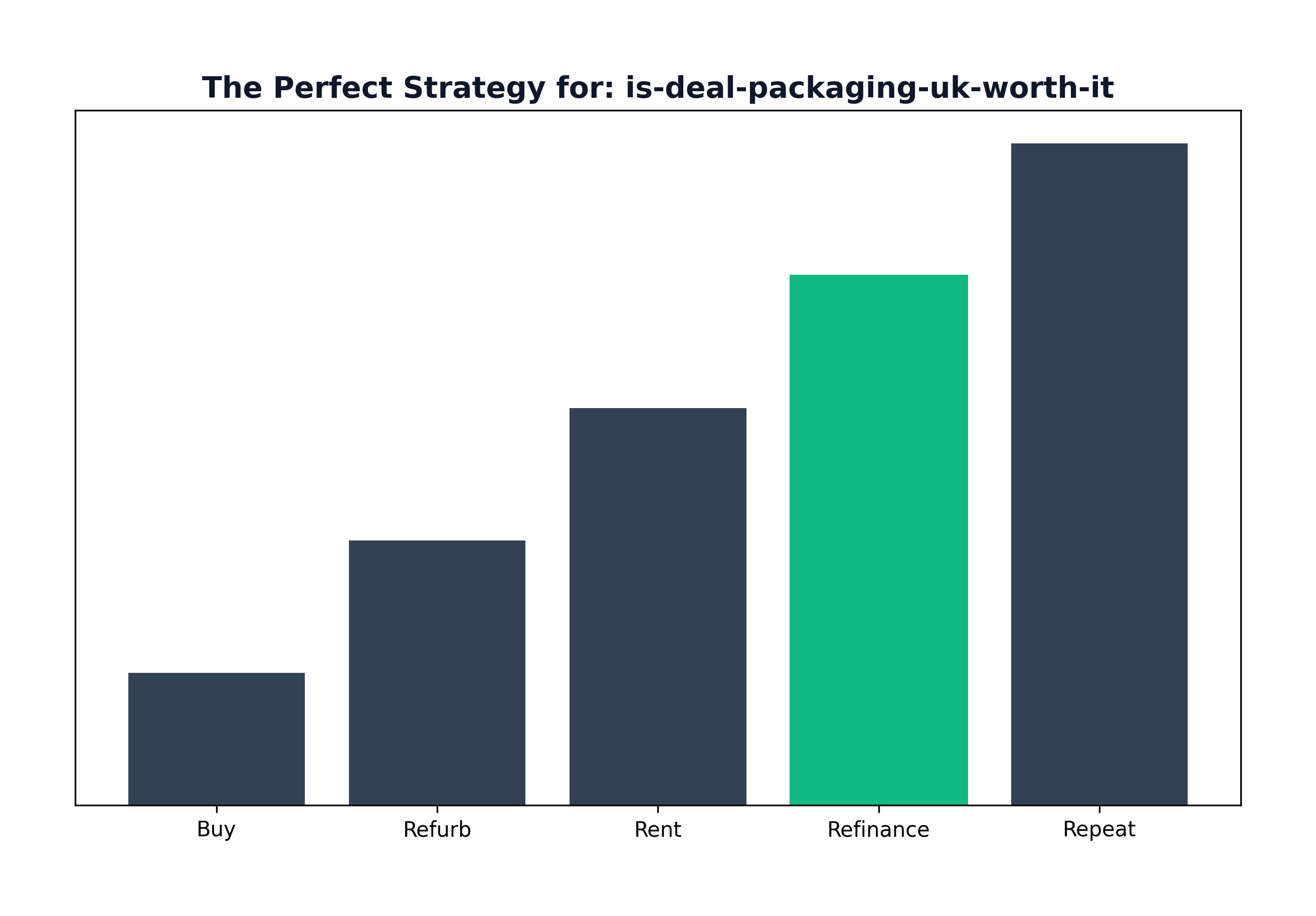
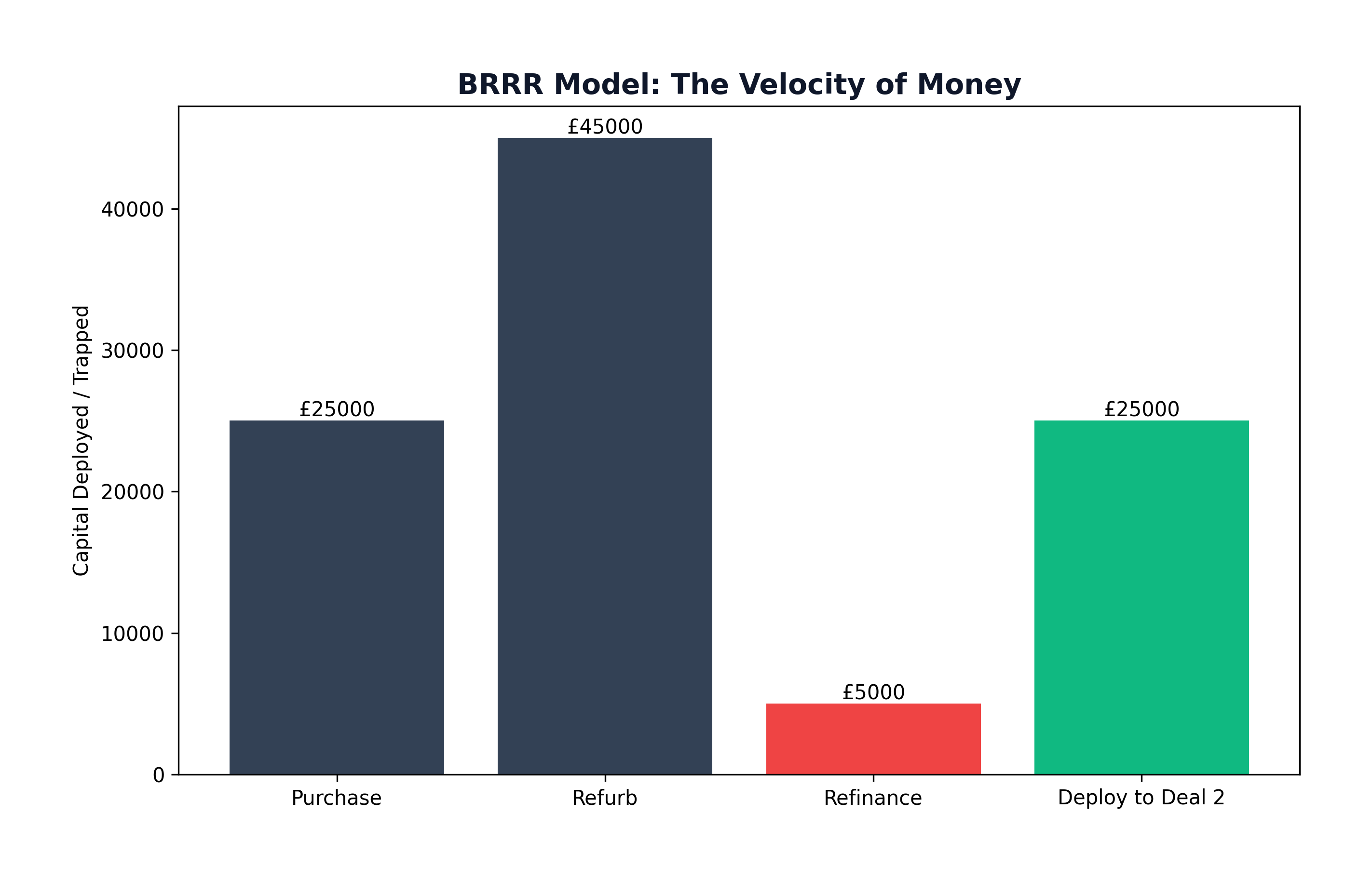
The Deal Pack must explicitly model the financial exit. If the strategy is BRRR (Buy, Refurbish, Refinance, Rent), the packager must provide "comps" (comparable evidence) of identical nearby properties that have recently remortgaged at the projected End Value (GDV). It must include micro-market rental evidence verifying exactly what a 6-bed House in Multiple Occupation (HMO) achieves per room on that specific street.
3. The Financial ROI Model: The Premium Equation
Why would a cash-rich investor willingly pay a £10,000 packaging fee for a commercial-to-residential conversion project, when they could simply hire a £3,000 sourcer?
It comes down to evaluating your personal "Hourly Rate" against the Return on Time Invested (ROTI).
Consider a scenario involving the acquisition and conversion of a derelict pub in Yorkshire into a 6-unit residential scheme.
Scenario A: The £3k Sourcer Route
- Sourcing Fee: £3,000
- Time Cost: The investor must spend 4 weeks interviewing architects, fighting the local planning authority for Permitted Development Rights, vetting three local building firms they have never used before, and sourcing a commercial bridging loan that accepts derelict pubs as security.
- Risk: Enormous. A bad contractor hire or a rejected planning application destroys the entire Return on Capital Employed (ROCE).
Scenario B: The £10k Packager Route
- Packaging Fee: £10,000
- Time Cost: Zero. The packager has already secured pre-planning advice, architect drawings, fixed-price building quotes, and a commercial lender pre-approval.
- Risk: Minimized. The building team is a known entity to the packager. The legal option agreement prevents vendor renegotiation.
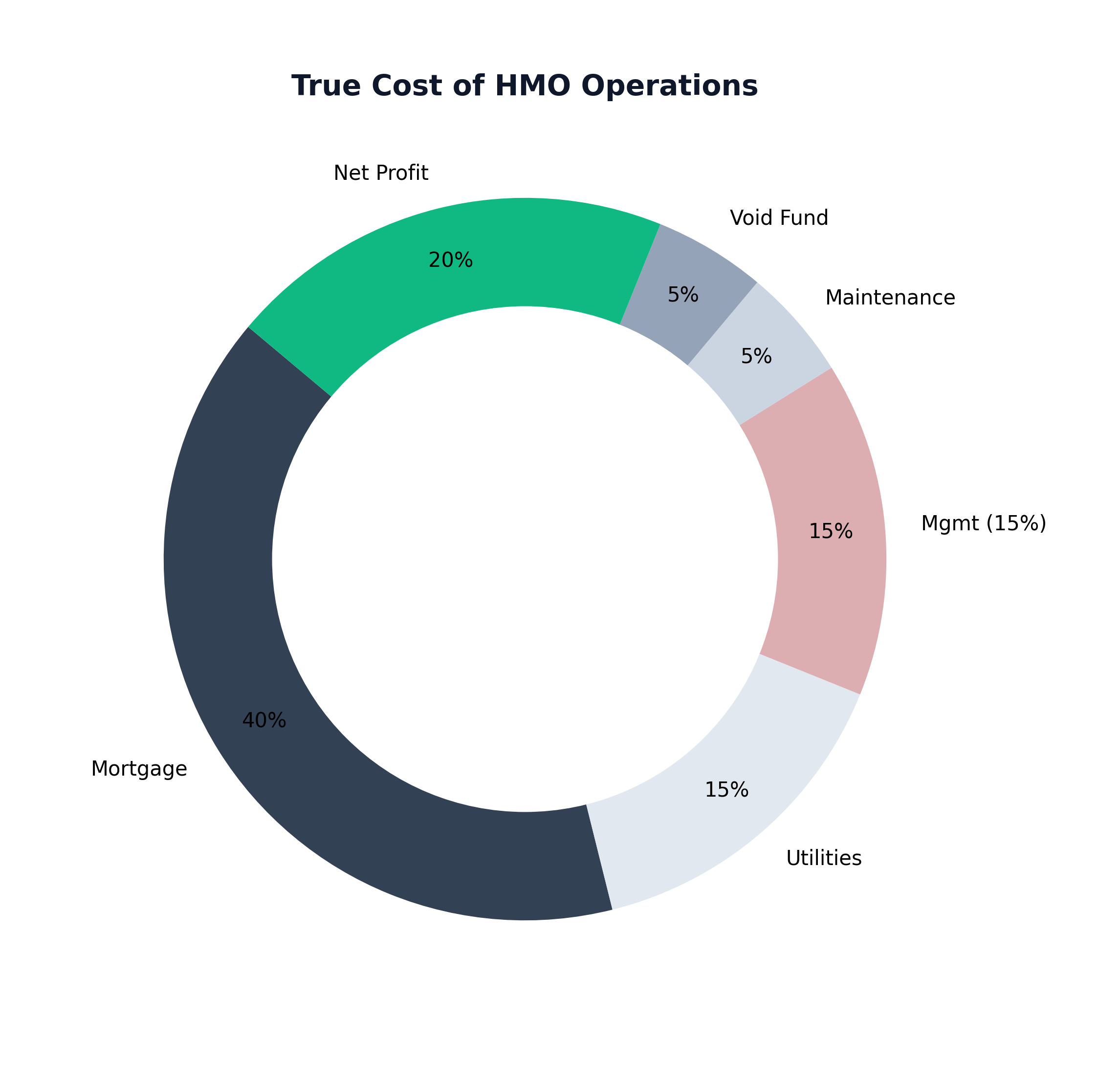
For a high-net-worth individual—such as a surgeon, a software CTO, or an overseas investor acting out of Hong Kong—their personal time is worth £100+ per hour. Spending 150 hours managing the messy logistics of a derelict pub conversion costs them £15,000 in lost income elsewhere. Paying a £10,000 packaging fee does not cost them money; it mathematically saves them £5,000 and protects their sanity.
4. The Legal Compliance Minefield
Like sourcers, deal packagers are legally acting as estate agents under the Estate Agents Act 1979.
The barrier to entry for declaring oneself a "deal packager" on Instagram is zero. Consequently, the industry is saturated with illegal operators. Before you even open a Deal Pack, you must enforce a ruthless compliance audit.
A legal deal packager MUST hold:
- HMRC Anti-Money Laundering (AML) Registration: Mandatory for ensuring the packager is legally vetting funds.
- Property Redress Scheme Membership (PRS or TPO): Mandatory for providing you with an independent legal backstop if they misrepresent structural data in their deal pack.
- Professional Indemnity (PI) Insurance: Mandatory for ensuring that if their Deal Pack guarantees planning permission is viable—but it subsequently is rejected—there is an insurance policy to sue.
- ICO Registration: Mandatory for GDPR-compliant processing of your passport and proof of funds.
If a packager asks for a "sourcing fee" directly into their personal Monzo account and cannot produce a PRS certificate, you are not buying a packaged deal. You are funding a scam.
Core Takeaways: The Verdict
Is deal packaging in the UK worth it?
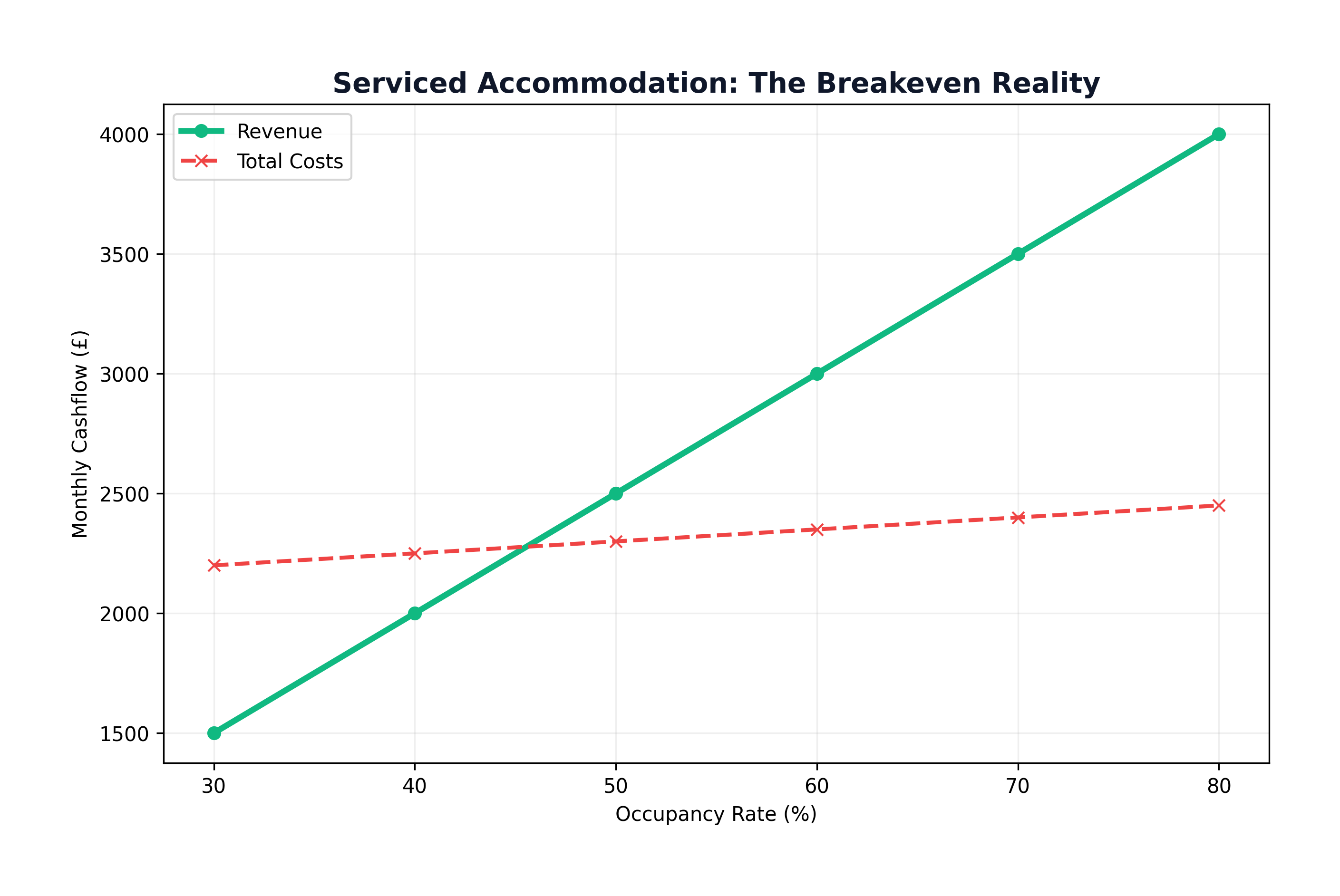
If you are an investor seeking completely passive leverage—meaning you want to deploy £100,000 into high-yield property without ever managing a plasterer or negotiating a commercial loan—a true deal packager is the most asymmetric wealth-building tool in the industry.
However, you must demand what you pay for. A £10,000 fee is justified only by absolute legal control (Option Agreements), definitive risk mitigation (hard contractor quotes), and relentless compliance (Redress Memberships, PI Insurance).
Stop paying premium packaging fees for generic Rightmove leads.
Next Steps for Immediate Execution
- Audit the "Control" Metric: Refuse to analyze any deal presented by a packager unless they can prove they legally control it via an Option Agreement or Delayed Completion contract. If the vendor can theoretically sell the house to a neighbour while you are analyzing the pack, the packager brings zero value.
- Verify Contractor Reliability: Ensure the Schedule of Works included in the Deal pack is a legally binding quote from an insured building firm, not a "guesstimate" written on standard Microsoft Excel by the packager themselves.
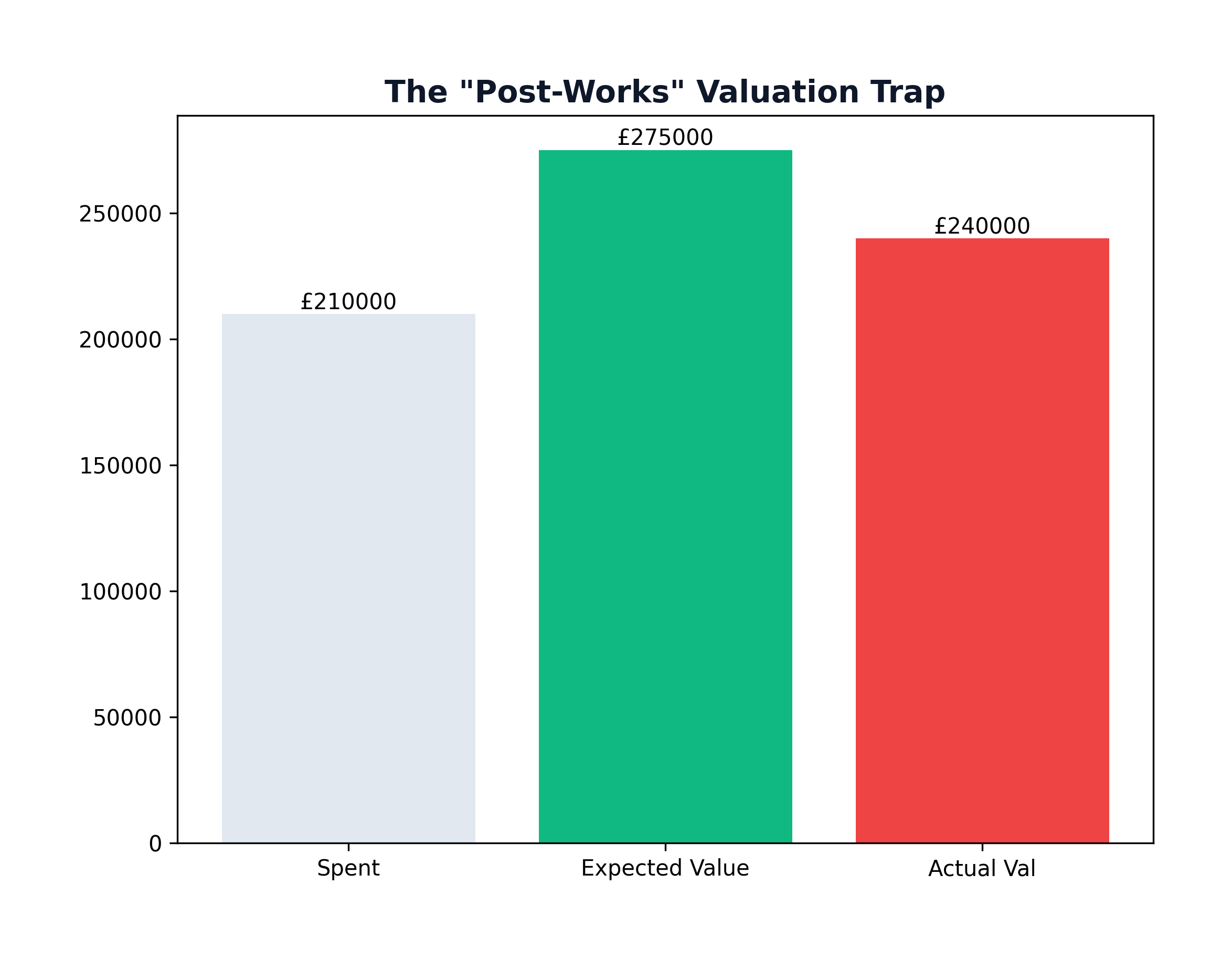
- Conduct Independent Valuation Testing: Even if the packager provides extensive comparable evidence for the end-valuation (GDV), instruct your own independent RICS surveyor. The £500 verification cost is the cheapest insurance policy you can buy against a £200,000 mistake.
📚 Related Reading
Stop being a landlord. Start being an investor.
Shaded Canvas introduces serious capital to vetted UK property opportunities — targeting 12–16% net returns.
Start Investing →