

Property investment is rarely constrained by a lack of opportunity; it is constrained by a lack of time, market friction, and information asymmetry. Those with the deepest pockets are often those with the least capacity to spend hundreds of hours viewing unsuitable stock, negotiating with delusional vendors, or unpicking complex legal packs.
This friction has created a distinct commercial necessity: property sourcing.
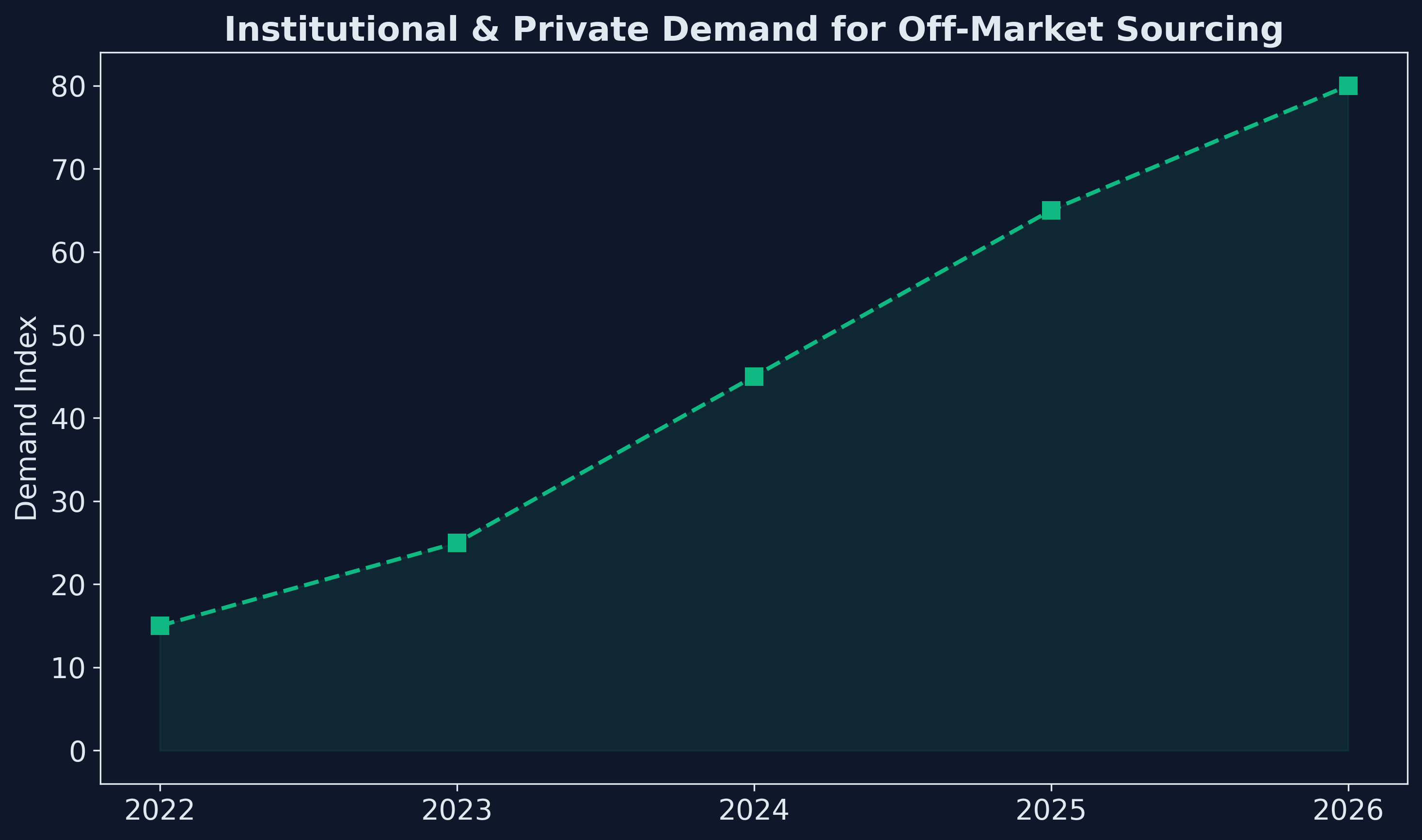
While the property sourcing meaning is often muddied by self-proclaimed "gurus" selling weekend courses, the reality of the profession is highly structured. Institutional investors, family offices, and cash-rich professionals do not buy from Rightmove. They utilise dedicated procurement specialists to identify, secure, and structure off-market transactions.
For the uninitiated investor, understanding exactly what property sourcing is—and precisely what a property sourcer does—is the difference between acquiring a high-yielding, compliant asset and acquiring an expensive liability.
This guide provides a definitive, data-led breakdown of the UK property sourcing market in 2026.
Property Sourcing Explained: Beyond the Lexicon
At its core, the property sourcing definition UK is straightforward: it is the business of identifying, evaluating, and securing real estate opportunities on behalf of a third-party buyer, in exchange for a fee.
The sourcer acts as an intermediary, bridging the gap between a motivated seller (often someone needing a fast, discreet exit) and a motivated buyer (an investor seeking yield or capital growth).
How the Model Operates
Unlike traditional estate agents who work for (and are paid by) the vendor to achieve the highest possible sale price, a property sourcer works exclusively for the buyer. Their fiduciary duty is to secure the asset on terms that heavily favour the investor.
The transaction generally follows a standard operating procedure:
- Instruction & Mandate: The investor provides a specific brief (e.g., "I require a 6-bed House in Multiple Occupation (HMO) in Greater Manchester yielding a minimum of 9% gross, with a purchase price under £300,000").
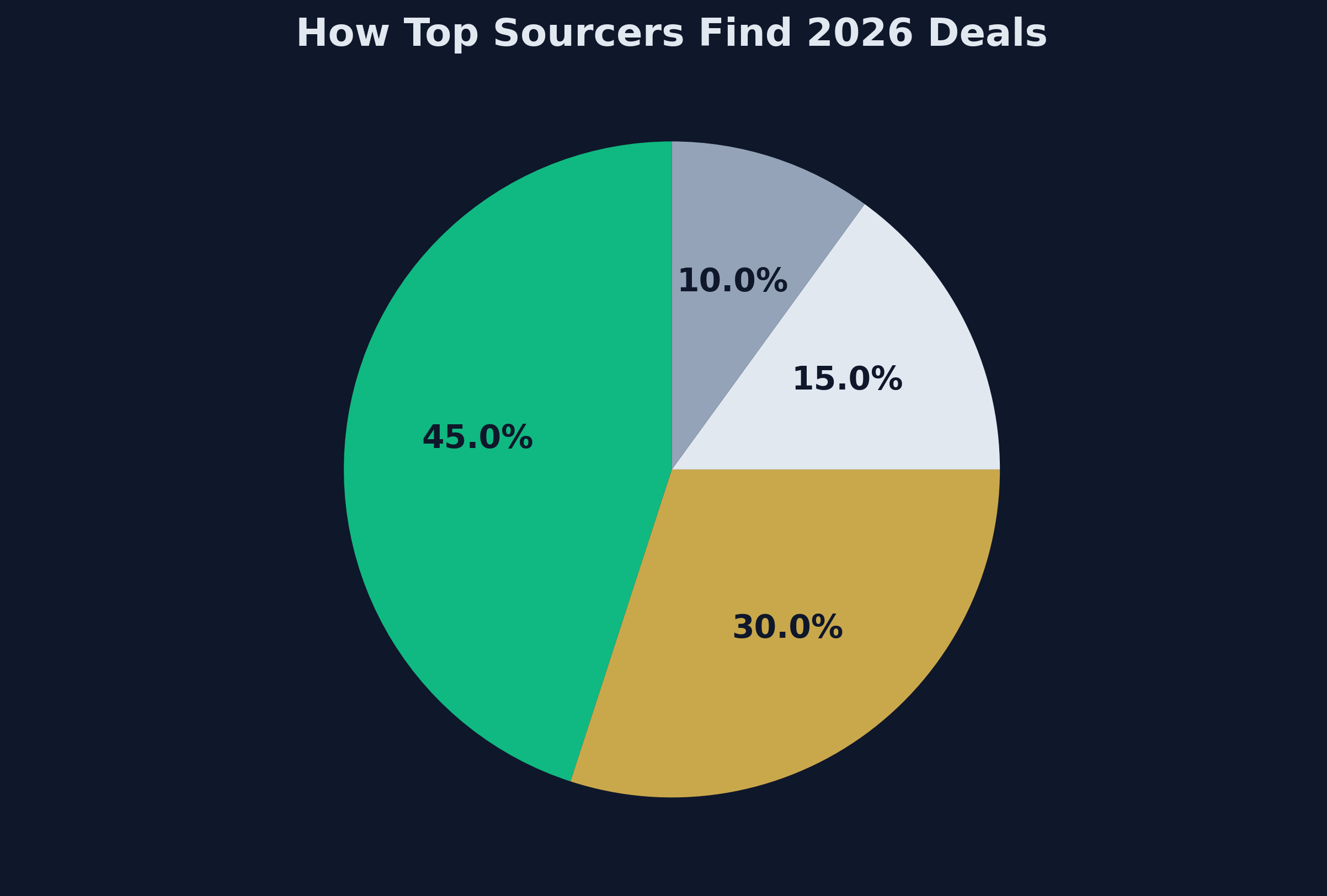
- Origination: The sourcer leverages direct-to-vendor marketing, distressed asset databases, auction pre-sales, and tight networks with local estate agents to find stock that matches the mandate.
- Appraisal & Due Diligence: The sourcer runs the financials. This involves generating comparables, projecting Gross Development Value (GDV), estimating refurbishment costs, and stress-testing rental demand.
- Negotiation & Securing: The sourcer negotiates the price. Once agreed, they secure the property, often utilising a formal Option Agreement or placing a rapid holding deposit.
- Packaging & Handover: The deal is presented to the investor as a "packaged" asset. Upon the investor's agreement to proceed, a sourcing fee is paid, and the asset transitions into standard conveyancing.
What Does a Property Sourcer Do Day-to-Day?
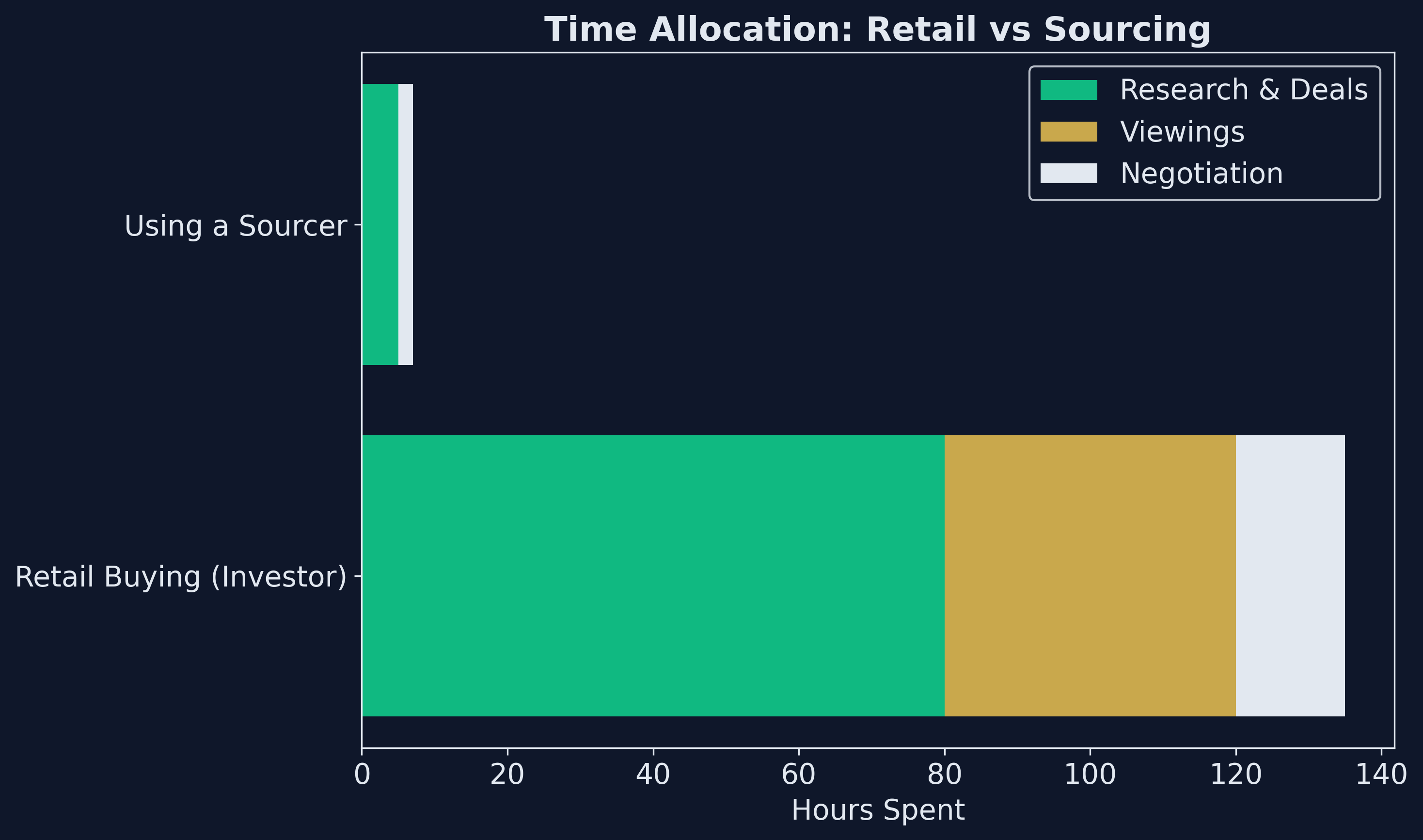
If you are considering buying a first investment property in the UK, the prospect of dealing with viewings and agents is daunting. A legitimate sourcer removes this operational drag.
The day-to-day operations of a highly competent sourcer look very little like glamorous "deal-making" and very much like relentless data analysis.
Granular Market Research
Top-tier sourcers do not operate nationwide. They are hyper-local specialists. A sourcer operating out of Leeds will know every street, understand precisely which postcodes command premium student rents, and know exactly what a standard Victorian terrace costs to strip back to brick. They track planning applications to front-run gentrification.
Off-Market Origination
Properties listed on public portals are, by definition, retail products commanding retail prices. The sourcer builds distinct funnels to bypass this:
- Direct Mail: Sending targeted letters to absentee landlords or properties facing probable repossession.
- Probate Fast-Tracking: Working with legal contacts to acquire properties needing swift liquidations following a bereavement.
- Estate Agent Back-Channels: Developing relationships so agents offer them "problem" properties before they hit the open market.
Financial Modelling
A property sourcer does not pitch a property based on its aesthetic appeal. They pitch a mathematical equation. They must accurately model:
- Purchase price minus standard stamp duty and the 3% investor surcharge.
- Refurbishment costs, factoring in 2026 material inflation.
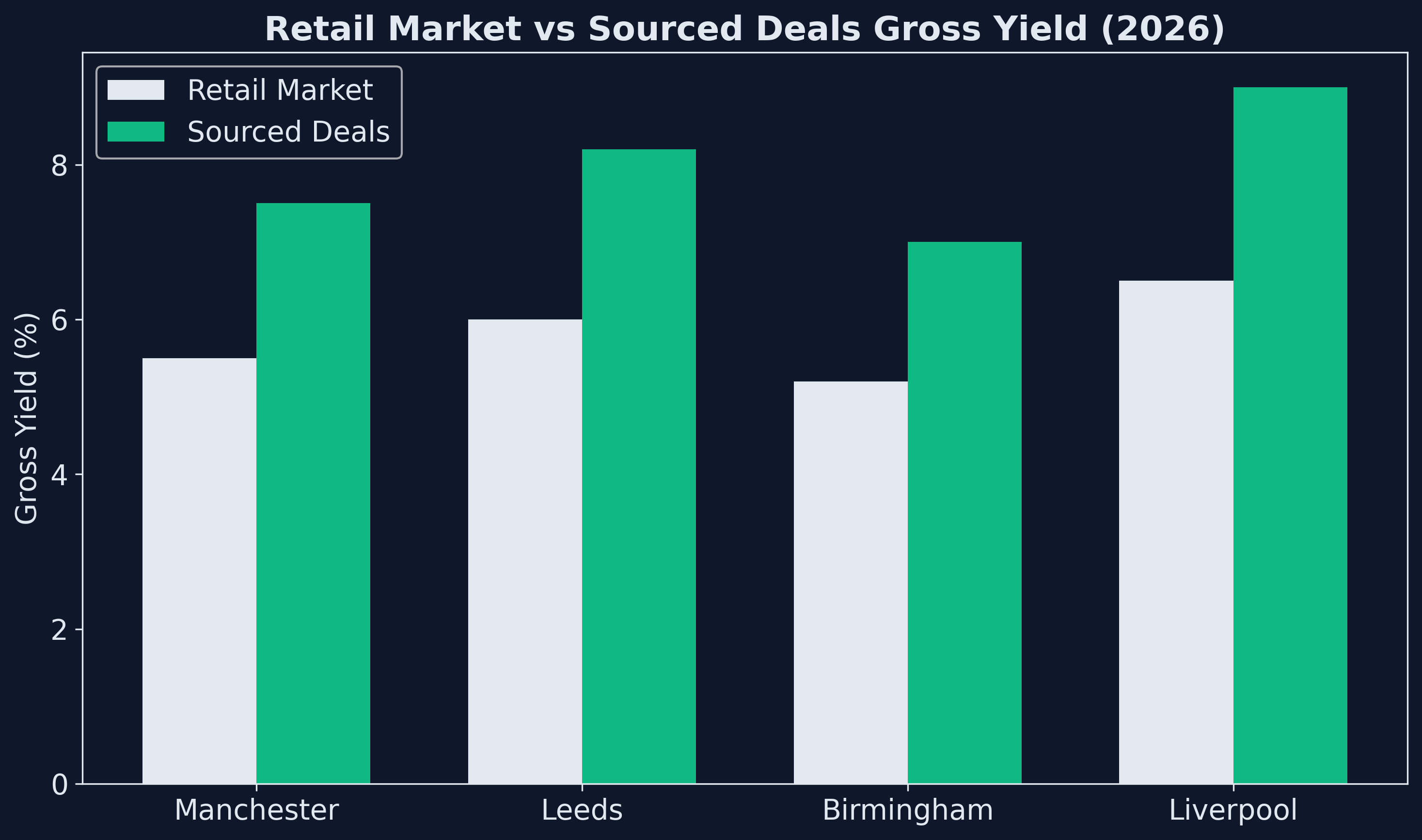
- Gross and net yields after property management, commercial lending rates, and void periods.
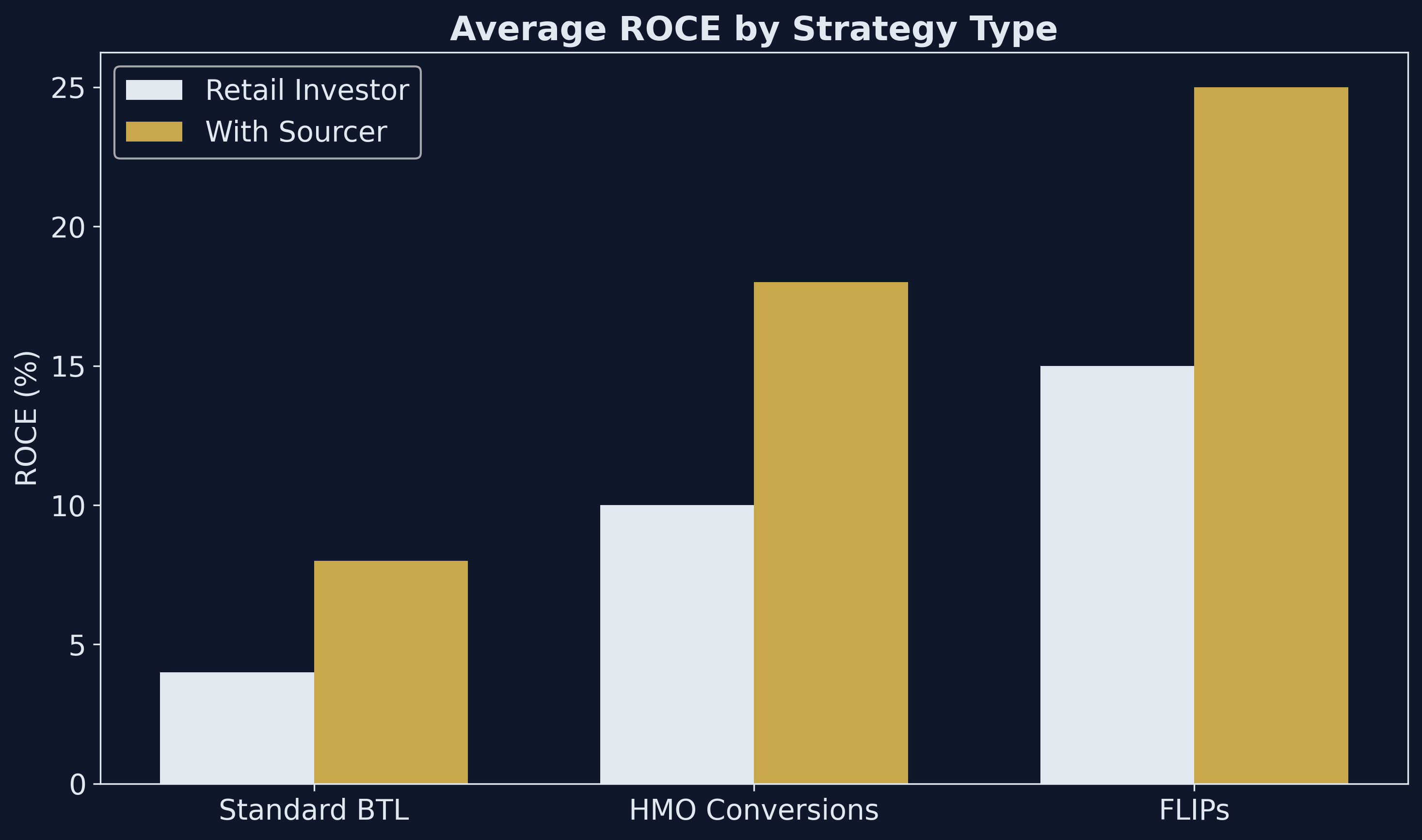
- Projected Return on Capital Employed (ROCE).
For comprehensive analysis on different investment frameworks to apply these deals to, explore our breakdown of property investment strategies in the UK.
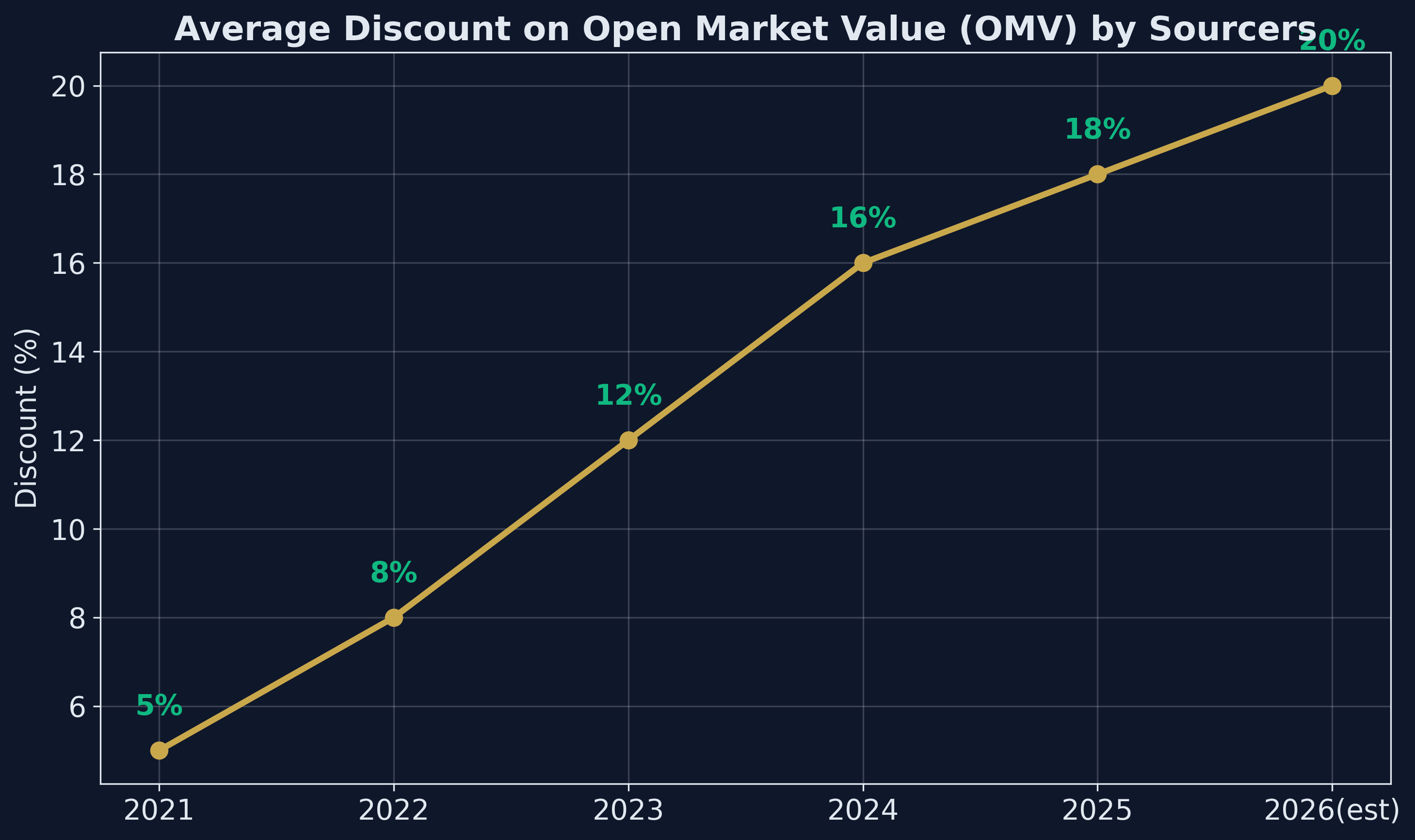
The Taxonomy of Intermediaries: Property Finder vs Sourcer
The UK property market is plagued by blurred terminology. Understanding the distinction between a "property finder," a "deal packager," and a "deal sourcer" is vital for risk mitigation.
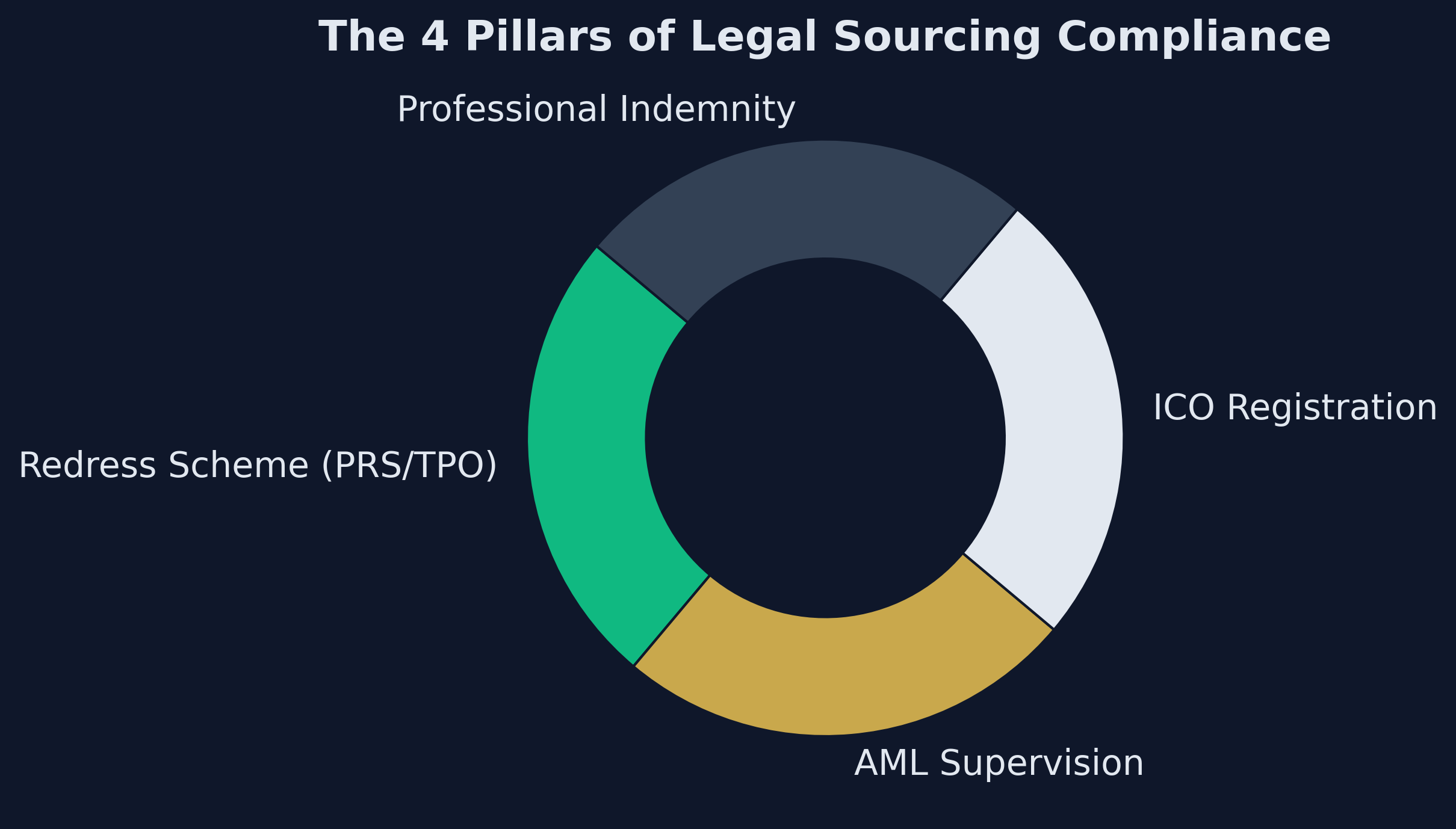
The Property Finder (or Buying Agent)
A property finder is typically retained on an exclusive basis by a High Net Worth (HNW) individual or family office. They act as a concierge acquisition service.
- Clientele: Usually individuals seeking primary residences or luxury assets in prime central London or affluent home counties.
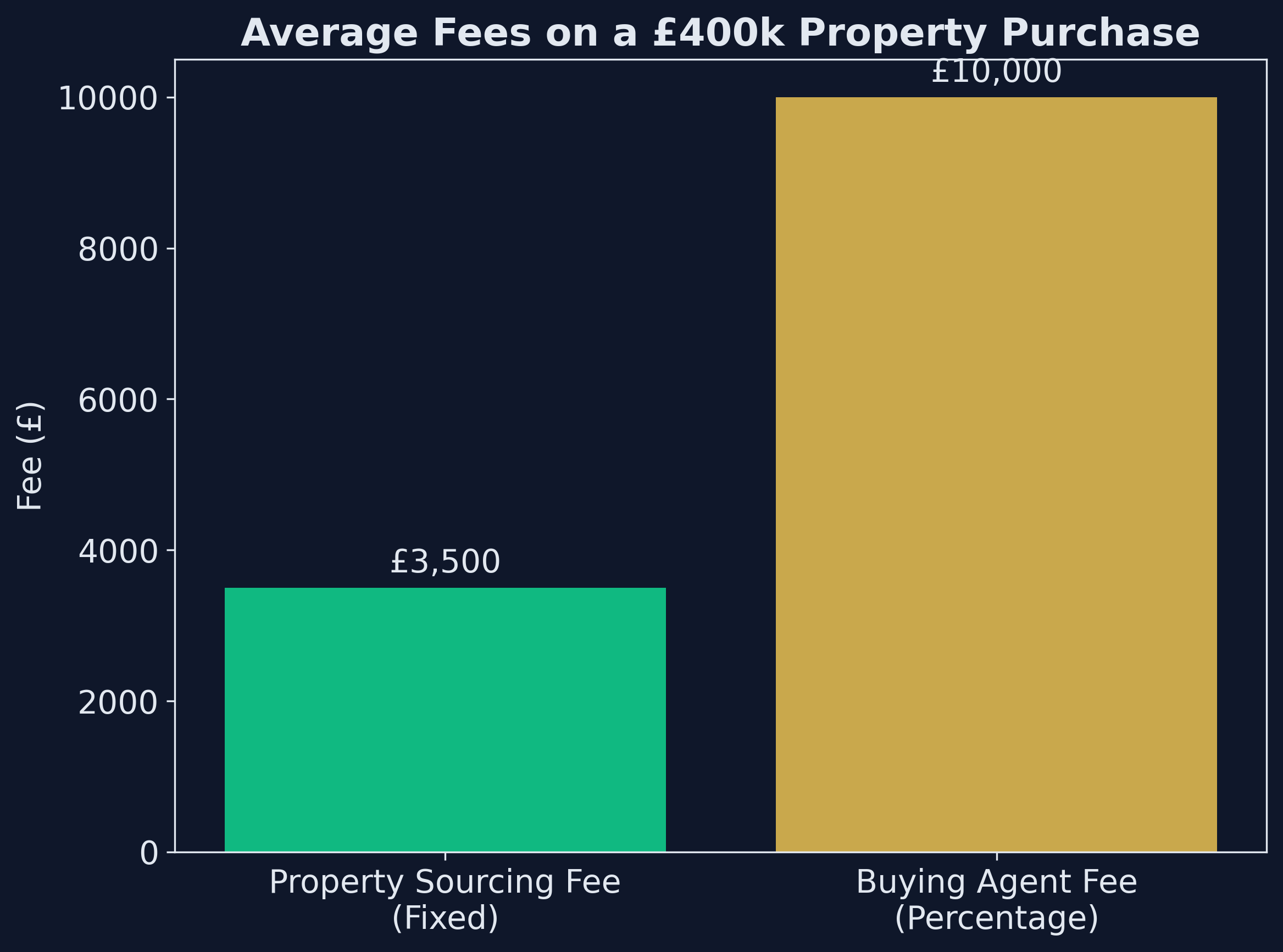
- Fee Structure: They charge an upfront retainer fee (often £1,500 - £3,000) simply to commence the search, followed by a percentage of the final purchase price (typically 1.5% - 2.5%) upon completion.
- Value Proposition: Discretion, access to entirely off-market luxury stock, and saving the client's time. They are not necessarily looking for "below market value" deals; they are looking for the perfect asset regardless of retail pricing.
The Property Sourcer (or Deal Packager)
A property sourcer operates at the sharper end of the investment yield curve. They operate a high-volume, B2B model serving professional landlords and property developers.
- Clientele: Investors prioritising mathematical returns—yield, capital growth, or flipping margins—over aesthetic perfection.
- Fee Structure: They rarely charge an upfront retainer. Instead, they charge a fixed "finder's fee" (typically £3,000 to £5,000+) once a specific deal is secured and accepted by the investor.
- Value Proposition: Speed, access to distressed or Below Market Value (BMV) stock, and providing pre-calculated financial models.
If you are a time-constrained executive seeking a hands-off approach to building a portfolio of high-yielding terraced houses in the North West, you require a property sourcer. If you require a bespoke consultancy approach to outline a macro-strategy before deploying capital, engaging property investment consultants is the appropriate first step.
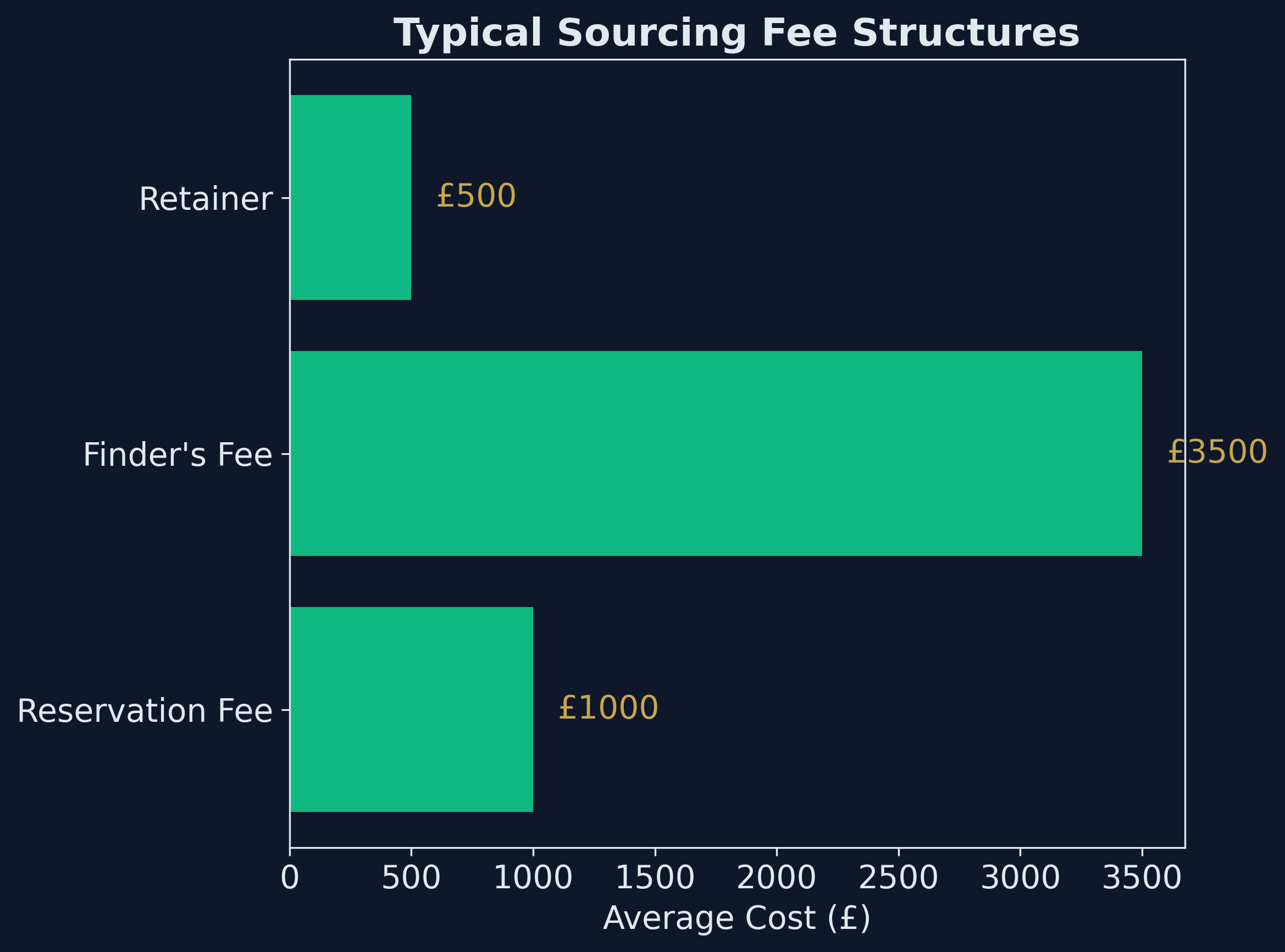
The 2026 Regulatory Landscape for Sourcers
Historically, the sourcing sector operated somewhat like the Wild West. Individuals with no capital and no legal training could brand themselves as sourcers on social media and demand large upfront fees.
As of 2026, the regulatory net has tightened exponentially. The barrier to entry has risen, which is excellent news for institutional and private investors alike, as it forces rogue operators out of the market.
Executing a passive hands-off property investment successfully requires partnering strictly with fundamentally compliant operators.
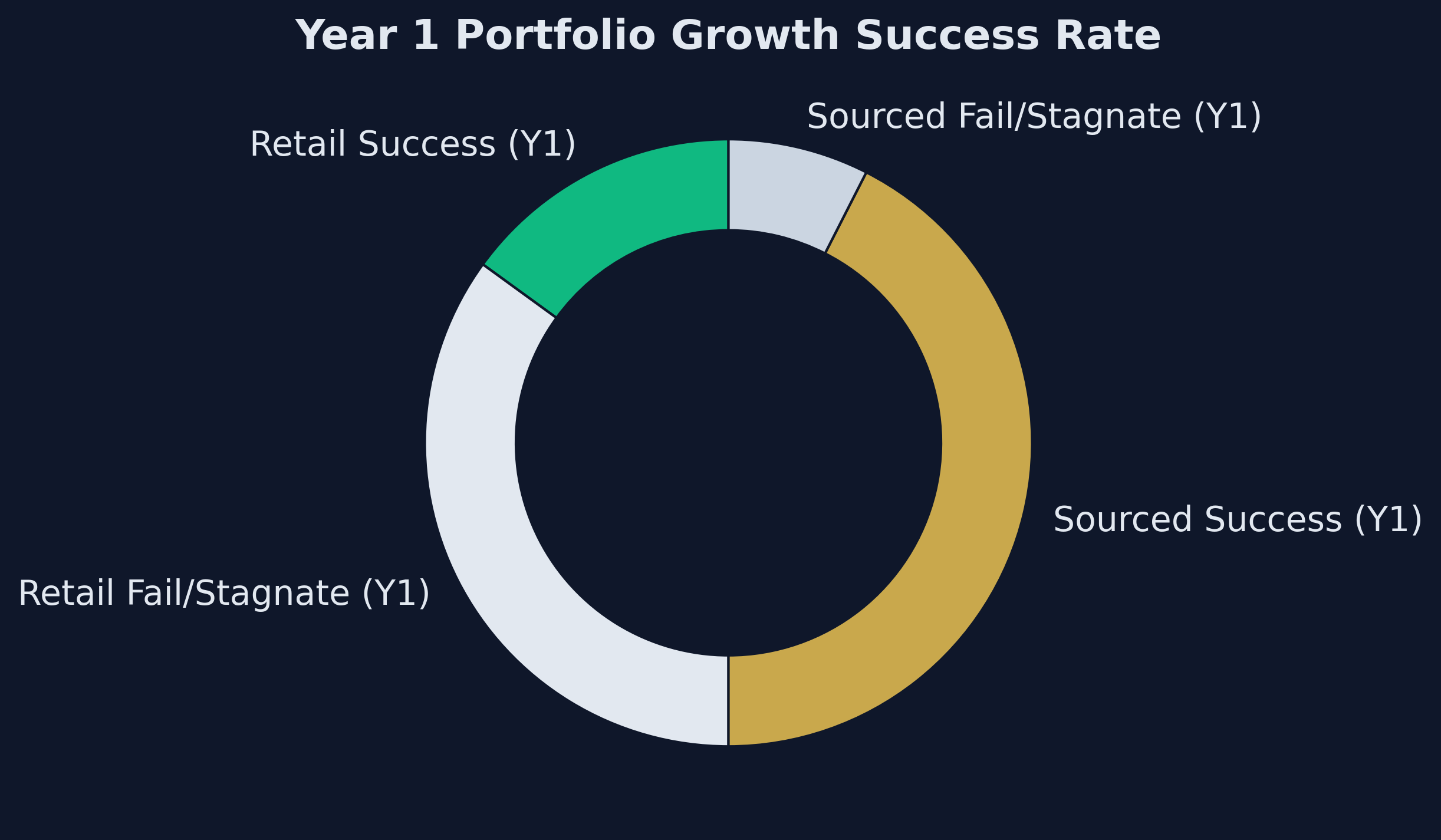
The 4 Pillars of Legal Compliance
If a property sourcer cannot produce documentation proving compliance across these four pillars without hesitation, cease all communication immediately.
1. The Property Redress Scheme (PRS) or The Property Ombudsman (TPO) Under the Estate Agents Act 1979, property sourcing is classed as estate agency work. It is a strict legal requirement for any sourcer to be registered with a government-approved independent redress scheme. This provides the investor with an independent adjudicator should a commercial dispute arise.
2. HMRC Anti-Money Laundering (AML) Supervision The UK property market is a primary target for illicit fund laundering. Sourcing companies must be registered with HMRC for AML supervision. A legitimate sourcer will aggressively demand Proof of ID and Proof of Funds from an investor before accepting a sourcing fee. If they do not, they are committing a federal offence.
3. Information Commissioner's Office (ICO) Registration Sourcers hold highly sensitive client data (passports, bank statements, personal addresses). They must be registered with the ICO and adhere strictly to GDPR regulations regarding data storage and destruction protocols.
4. Professional Indemnity (PI) Insurance A sourcing company is selling advice and data in the form of a "deal pack." If the financial comparables they provide are fundamentally negligent, causing the investor a profound financial loss, the investor must have recourse. Minimum PI cover is essentially non-negotiable.
How Sourcers Get Paid: Fee Structures Explained
In commercial property transactions, ambiguity surrounding fees is a precursor to a failed deal. Sourcing fees typically fall into one of two distinct structures.
Fixed-Fee Deal Packaging
This is the most standard model in the buy-to-let and HMO sectors. The sourcer secures a property, crunches the numbers, and sends the "deal pack" out to their mailing list of vetted investors.
- The Mechanics: The first investor to agree to the terms pays a fixed reservation fee (e.g., £3,000). This fee secures exclusivity; the deal is pulled from the market.
- The Timeline: A standard contract dictates that if the deal collapses due to a severe structural defect uncovered in a survey, or if the vendor withdraws, the fee is fully refunded. If the investor simply changes their mind, they forfeit the fee.
Bespoke Retained Searches
For investors seeking highly specific, difficult-to-locate assets—such as a £2M commercial-to-residential conversion project—a sourcer will work on a retained basis.
- The Mechanics: The sourcer will charge a small non-refundable commitment fee (e.g., £500 - £1000) to cover their initial marketing and direct-to-vendor letter campaigns.
- The Timeline: Upon successful completion of the purchase, the sourcer charges a percentage of the purchase price (e.g., 2%). The initial commitment fee is typically deducted from this final invoice.
The Institutional View: Why Use a Sourcer?
For highly capitalised investors, attempting to replicate the granular, on-the-ground network of a local specialist is a misallocation of resources.
A compliant, high-calibre property sourcing company acts as an outsourced acquisition department. They absorb the operational friction of dealing with estate agents, viewing terrible stock, and kissing frogs. They allow the investor to focus exclusively on capital deployment and portfolio strategy.
When evaluating property sourcing companies in the UK, the mandate is simple: demand absolute regulatory compliance, reject any sourcer guaranteeing unrealistic yields, and insist on data-led, conservative appraisals.
Property sourcing is not a dark art; it is simply the commercialisation of hyper-local data and aggressive acquisition tactics. Utilised correctly, it is the most efficient vector for intelligent capital allocation in the UK residential sector.
Stop being a landlord. Start being an investor.
Shaded Canvas introduces serious capital to vetted UK property opportunities — targeting 12–16% net returns.
Start Investing →