

For busy UK professionals, the appeal of real estate is obvious: tangible assets, multi-generational wealth preservation, and reliable monthly cash flow. However, the reality of being a traditional DIY landlord—fixing leaky taps on a Sunday morning and chasing late rent—is fundamentally incompatible with a demanding career. Enter passive property investment.
In 2026, the UK property market has seen a massive shift towards fully managed, hands off property investment strategies. With increasing legislation, higher compliance costs (like EPC mandates), and rising tenant expectations, more investors are opting to decouple their time from their returns.
If you are a doctor, lawyer, tech executive, or overseas investor looking to build a portfolio without creating a second full-time job, this guide is for you. We will explore how to build passive income through property, the different strategies available, and how to effectively start your buy to let investing journey on autopilot.
What is Passive Property Investment?
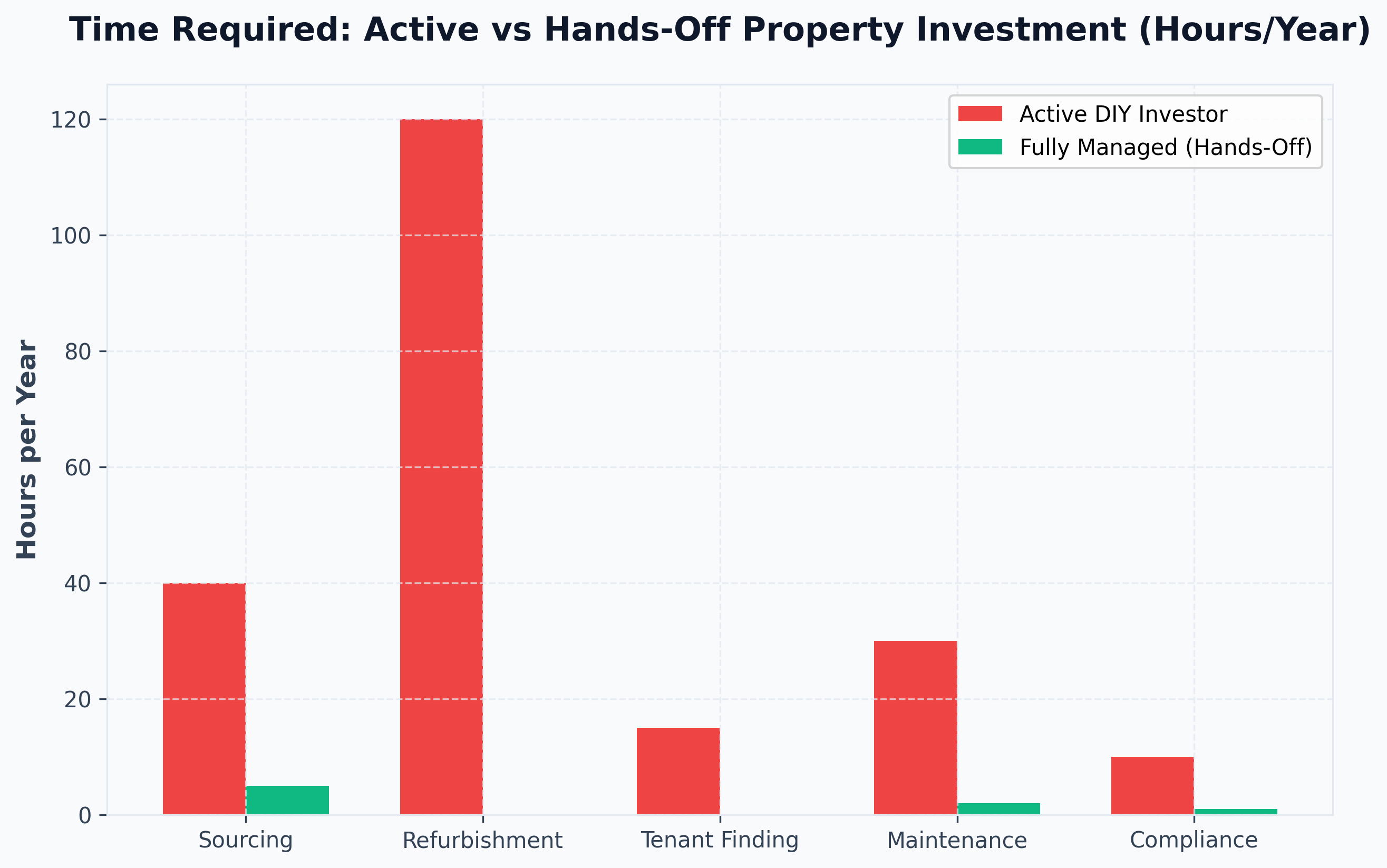
Passive property investment is an approach where you deploy your capital into real estate assets while outsourcing 100% of the operational and managerial heavy lifting to specialized teams.
Unlike an active property developer who spends their weekends painting and managing contractors, a hands-off investor treats real estate purely as a financial vehicle. You provide the funding; professional teams handle the sourcing, acquisition, refurbishment, legal compliance, and ongoing daily management.
Why Property Investment for Professionals is Shifting
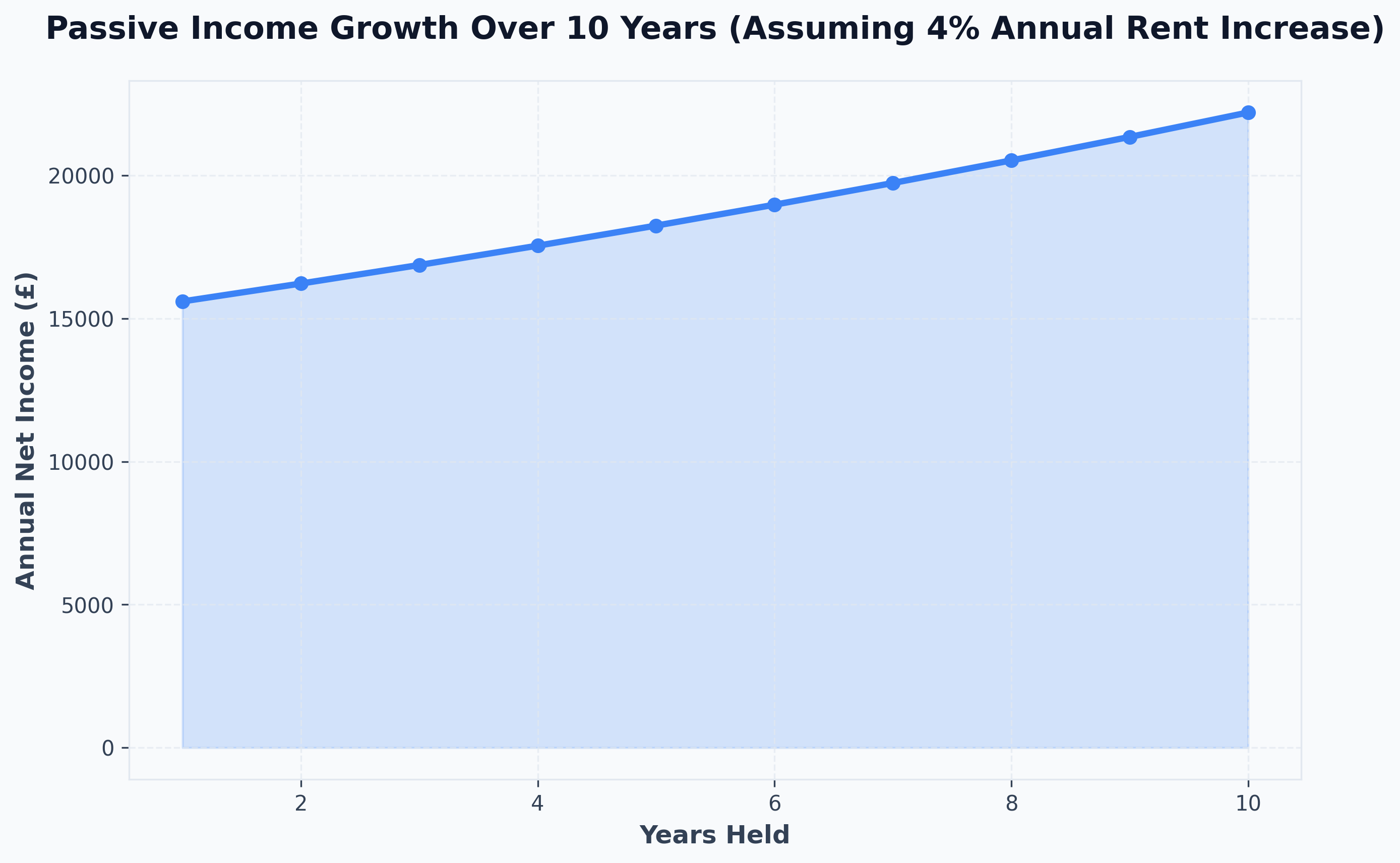
In the past, the dominant rhetoric was that you had to be hands-on to make good margins in property. Today, the opposite is often true for high-earners.
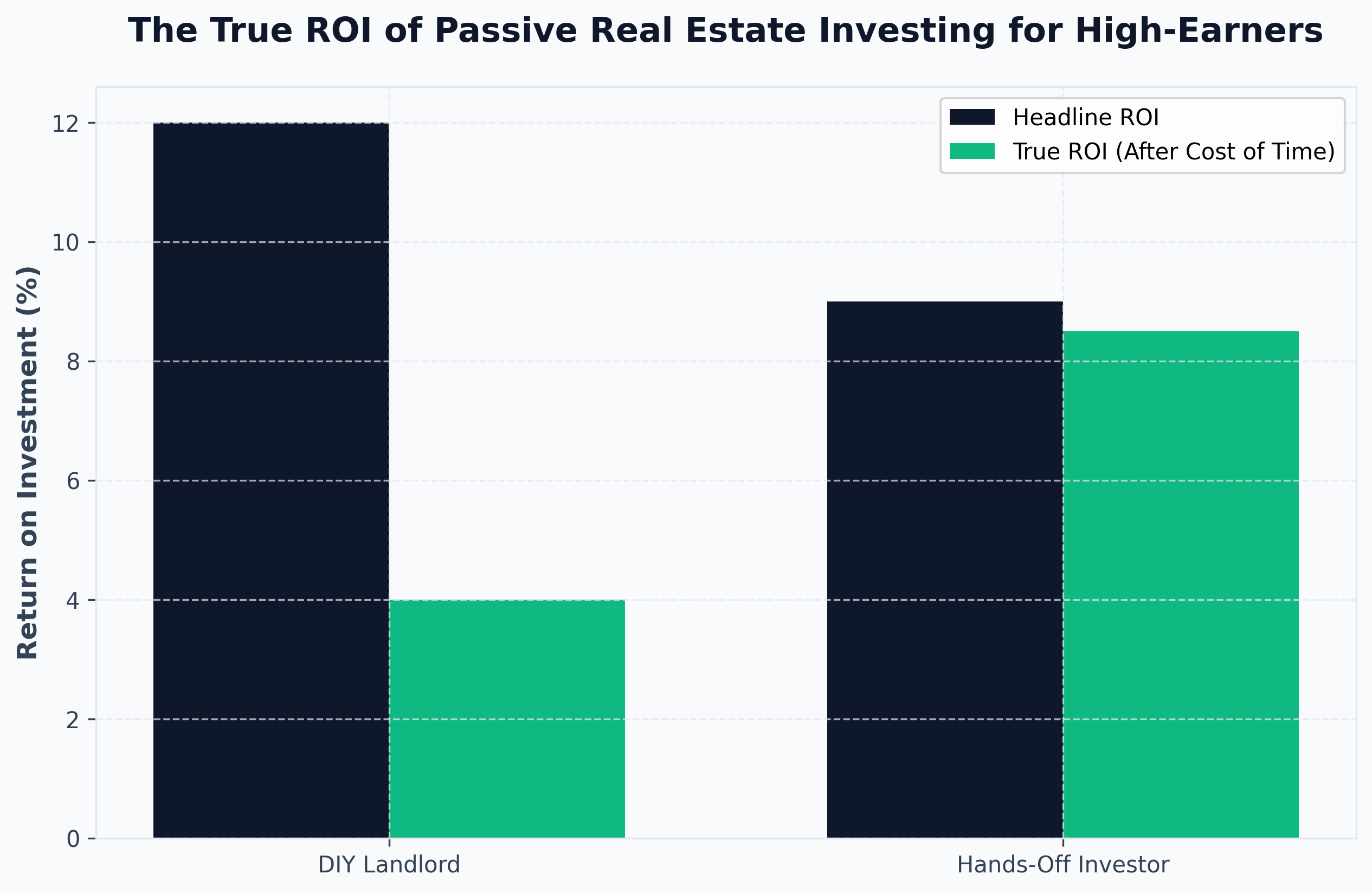
If your time is worth £100 an hour in your primary career, spending 20 hours a month managing a single-let property to save a £150 management fee represents a catastrophic negative Return on Investment (ROI) on your time. Property investment for professionals is about recognizing the opportunity cost of your time and leveraging established operational frameworks.

Top Strategies for Hands Off Real Estate Investing
How exactly do you build passive income property management portfolios in 2026? Here are the four primary strategies working right now.
1. Fully Managed Buy-to-Let (BTL)
The traditional strategy, optimized. Investing in buy to let property can be made entirely passive if you decouple yourself from the process early on.
Instead of browsing Rightmove yourself, you engage a professional property sourcing company (like Shaded Canvas). They identify high-yield opportunities (often in the North West or Midlands), usually off-market or below market value. They project-manage any necessary refurbishments to bring the property up to standard, and then hand it over to a vetted, local letting agency who handles everything from tenant referencing to emergency boiler repairs. Your only job is to review the monthly statements.
2. Off-Plan Property Investment
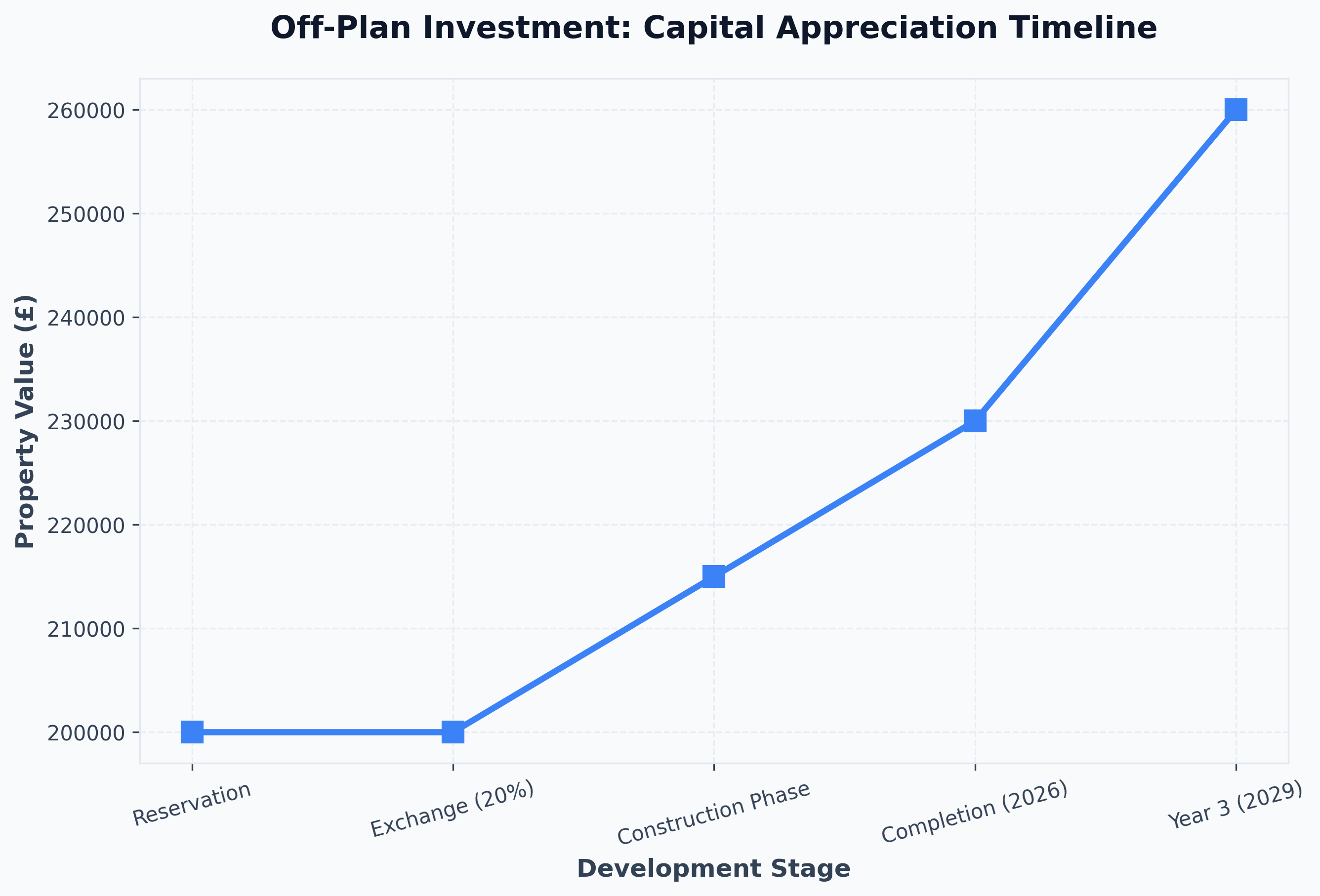
Off-plan investing involves purchasing an apartment in a development before it is fully constructed. This is perhaps the quintessential hands off property investment.
- The Process: You pay a deposit (typically 15-20%) upon exchange of contracts. The developer builds the property over 1-2 years. Upon completion, you pay the balance (usually via a mortgage).
- The Benefit: You get a brand-new, highly energy-efficient property that requires zero maintenance in the early years. Furthermore, off-plan developments usually come with an on-site block management team that handles lettings internally.
- The Return: You often secure a below-market entry price and benefit from capital growth during the construction phase without having laid out the full purchase price.
3. Purpose-Built Student Accommodation (PBSA)
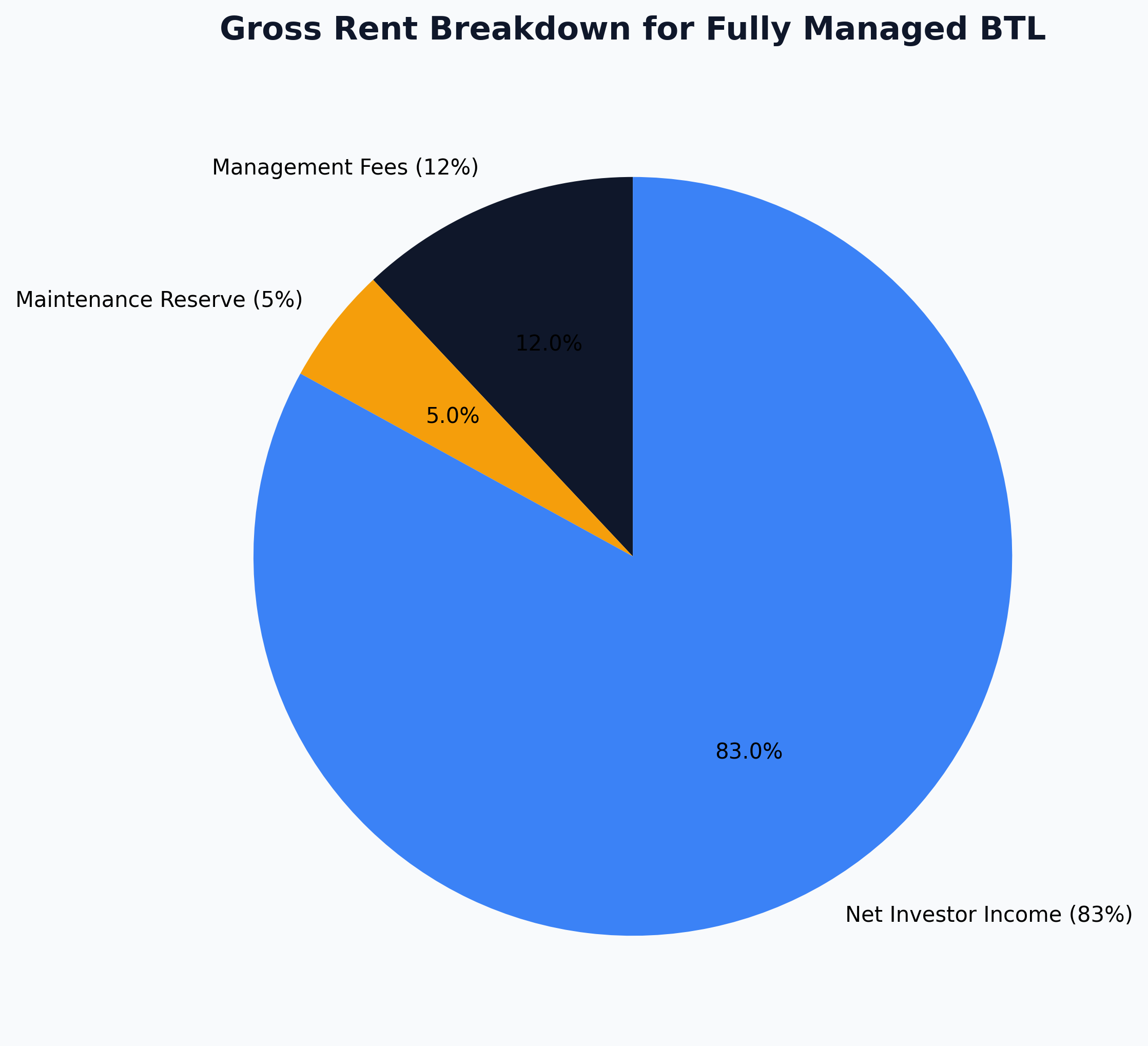
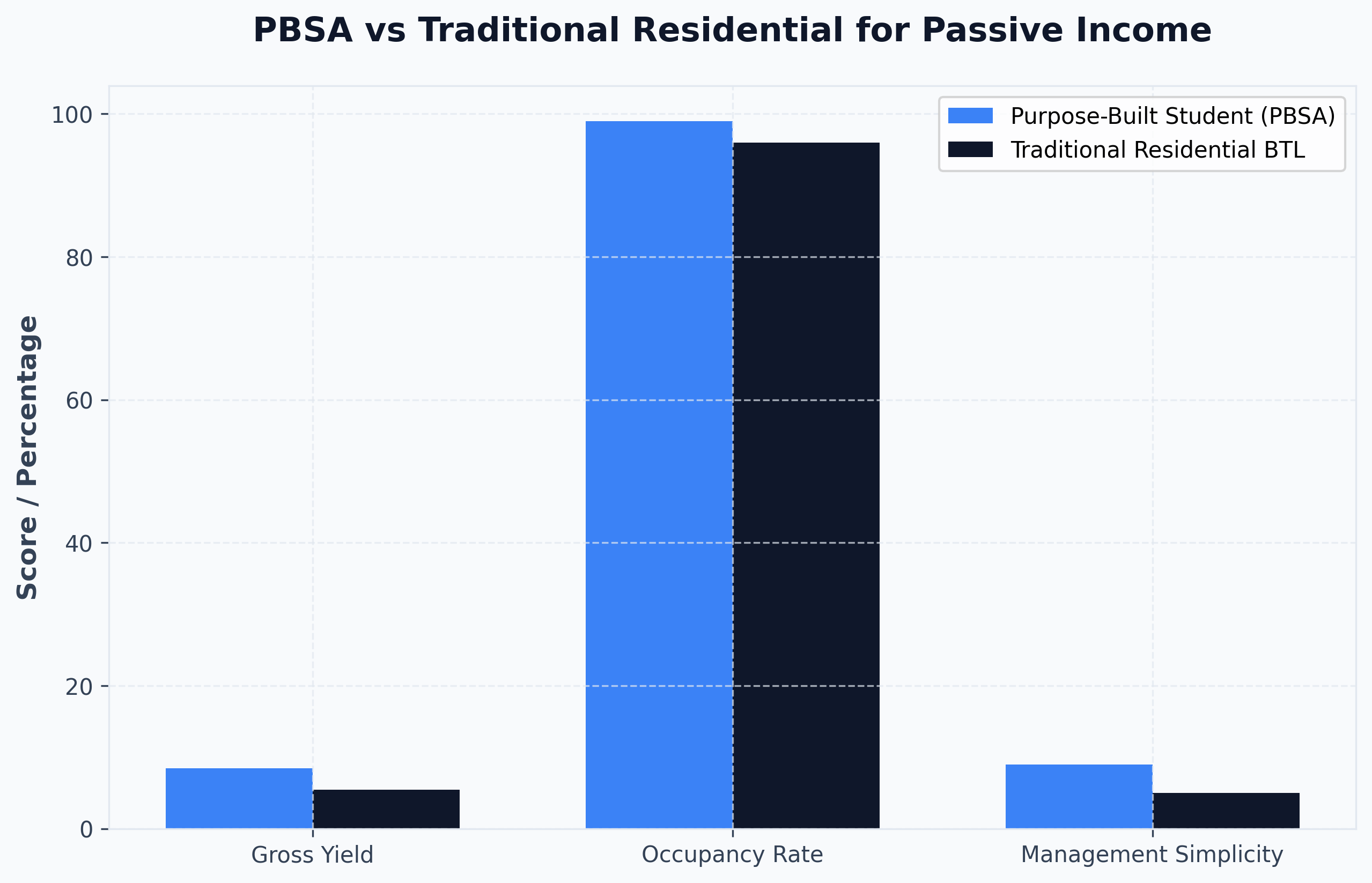
PBSA involves buying individual "pods" or apartments within a large, purpose-built student complex. This sector has exploded due to a chronic shortage of high-quality student housing near major UK universities. PBSA is specifically designed to be an armchair investment. A commercial operator manages the entire building, sources the students, collects the rent, and pays you a net yield (often guaranteed for the first few years at 7-9%).
4. Real Estate Investment Trusts (REITs)
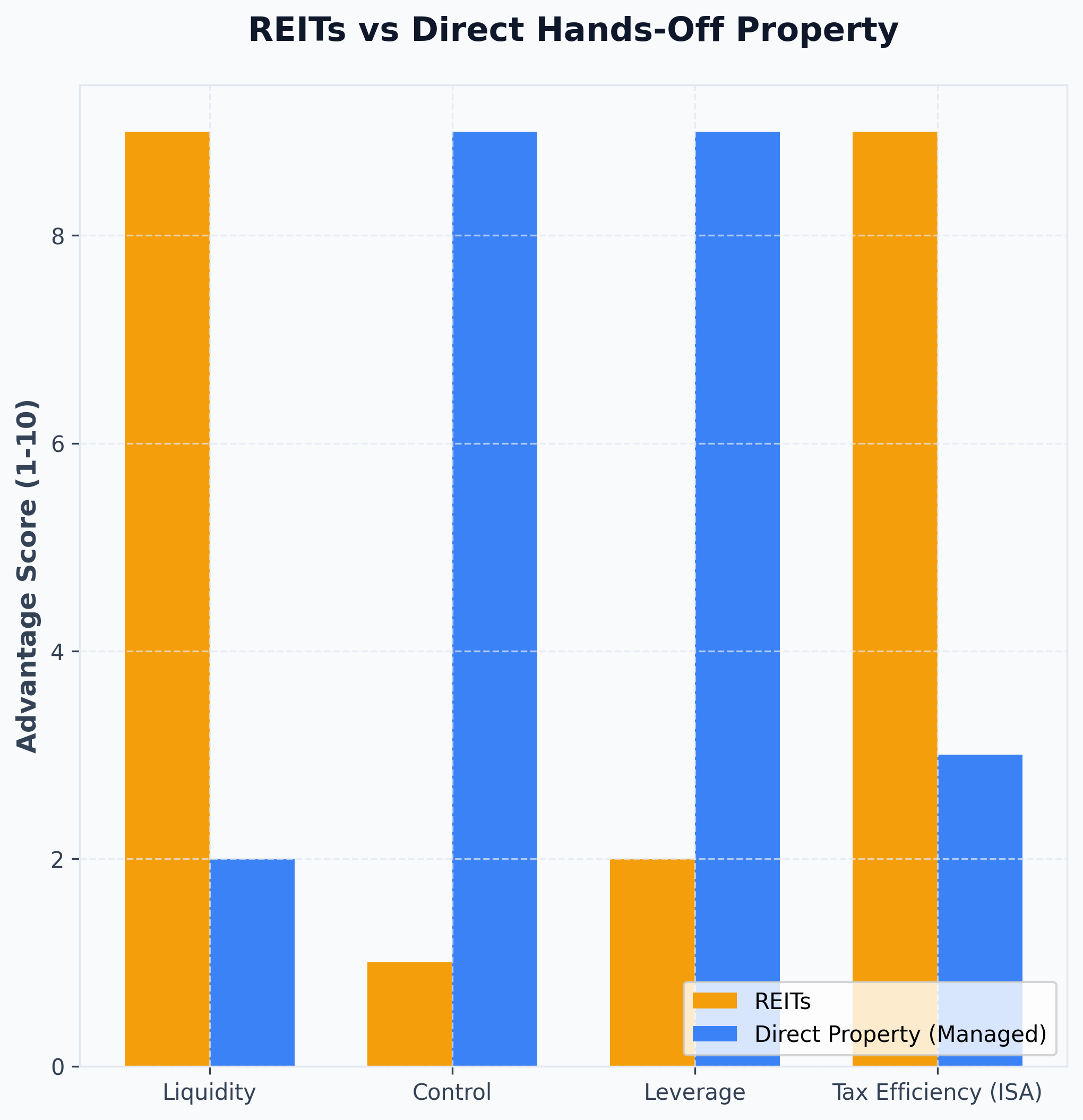
If you want total liquidity, REITs are the answer. These are companies that own and operate income-producing real estate (like logistics hubs or retail parks). You buy shares in the REIT on the stock market. You have zero control over the assets, but you also have zero hassle, and you receive consistent dividend payouts from the rental income they generate.
How to Start a Property Portfolio UK (The Hands-Off Way)
For many, the hardest part of buy to let investing is simply getting started. If you are a professional wondering how to start a property portfolio UK without the stress, follow this blueprint.
Step 1: Define Your Financial Goals
Are you investing for aggressive capital growth to build a retirement pot, or do you need high-yielding cash flow today to replace your salaried income? Your goals dictate your geography. For high yield, look North (e.g., Liverpool, Stoke). For steadier, higher-value capital growth, look towards commuter towns or regenerative areas in major city outskirts.

Step 2: Assemble Your Power Team
To be truly hands-off, you must rely on experts. You will need:
- A specialist mortgage broker.
- A conveyancing solicitor experienced in investment purchases.
- A tax accountant to advise on ownership structure (especially Limited Company vs. Personal Name).
- A reliable property sourcer or investment consultant.
Step 3: Source, Acquire, and Delegate
Once your capital is ready and your team is in place, you engage your sourcing partner. They present the deals. You run the numbers against your pre-defined criteria. Once acquired, the property is immediately placed into the hands of an A-grade local letting agent. You should set up a system where agents have a pre-authorized budget (e.g., £250) for emergency repairs, meaning they only ever contact you for major structural decisions.
The Costs of Passive Income Property Management
It is vital to understand that turning investing in buy to let property into a truly passive venture eats into your gross margins.
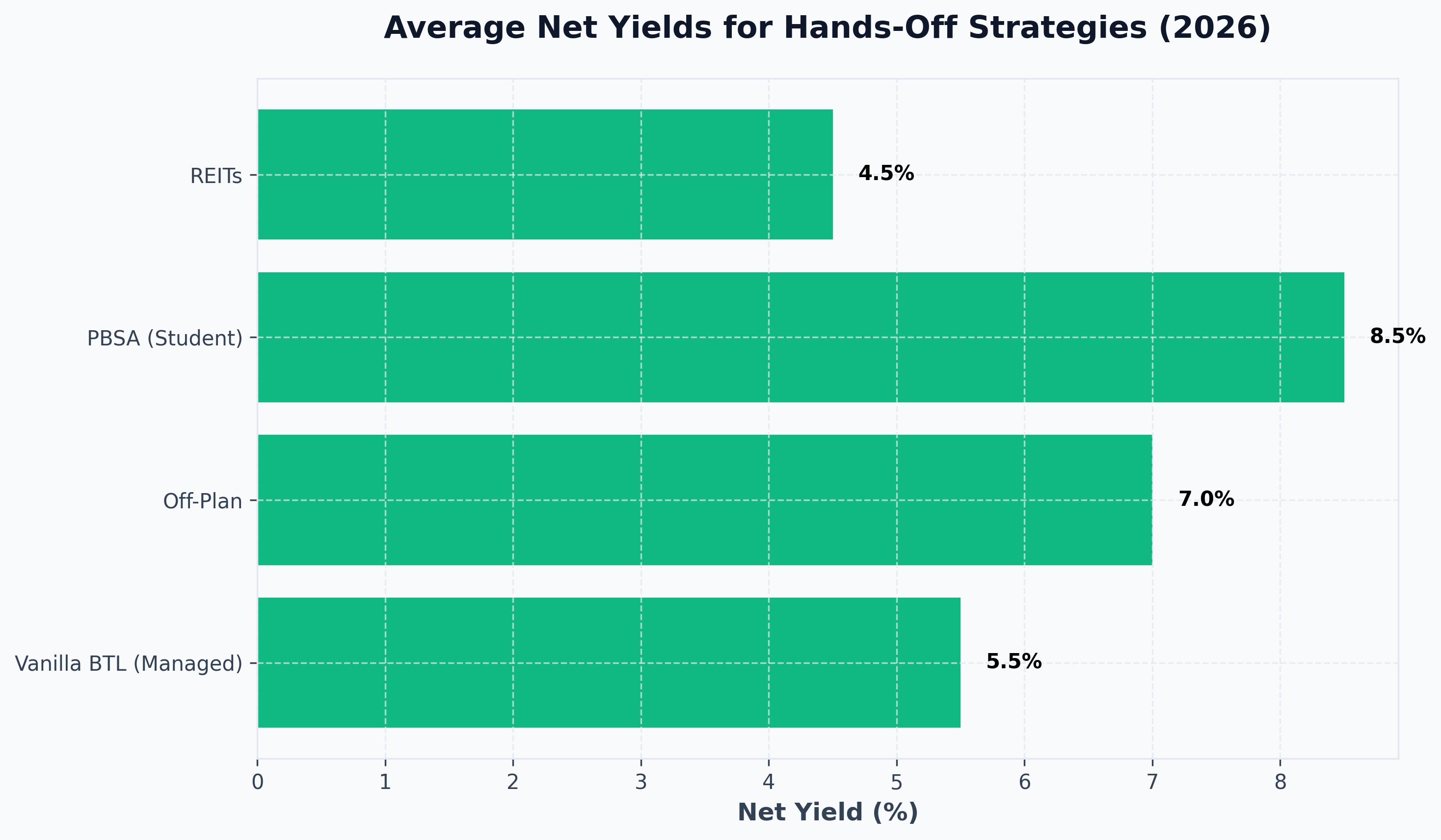
A high-quality letting agent will charge anywhere from 10% to 15% + VAT for fully managed services. This covers tenant finding, referencing, deposit protection, rent collection, and fielding weekend boiler breakdowns. Project managers overseeing refurbishments will charge a percentage of the build cost.
However, investors must view these as vital operational expenses, not lost profits. Paying 12% to an agent ensures legal compliance (avoiding potentially catastrophic fines) and protects your primary asset—your time.
Conclusion: Reclaiming Your Time
Building passive income through property is not a myth; it is a structural choice. The UK property market in 2026 offers immense opportunities for wealth creation, but it is increasingly unforgiving to the amateur, DIY landlord.
By treating your investments as a business, valuing your own time accurately, and assembling a trusted team of professionals to handle the execution, hands off real estate investing offers the perfect balance: the financial security of brick-and-mortar assets, without the headache of managing them.
At Shaded Canvas, this is exactly what we facilitate. We handle the market research, the sourcing, and the strategic planning so that our clients can focus on what they do best, safe in the knowledge their wealth is growing passively in the background.
Stop being a landlord. Start being an investor.
Shaded Canvas introduces serious capital to vetted UK property opportunities — targeting 12–16% net returns.
Start Investing →