

Executive Summary Is flipping houses worth it in the UK in 2026? The short answer is: Yes, but only for the systematic professional. The "buy-paint-flip" amateur era is over. In today's high-compliance, data-driven environment, success depends on your ability to source with a "Brown Discount," renovate with energy efficiency as a priority, and model your exit strategy with institutional precision. This guide breaks down the true ROI, hidden risks, and why 2026 is the year of the specialized flipper.
The "Worth It" Equation: 2026 Market Analysis
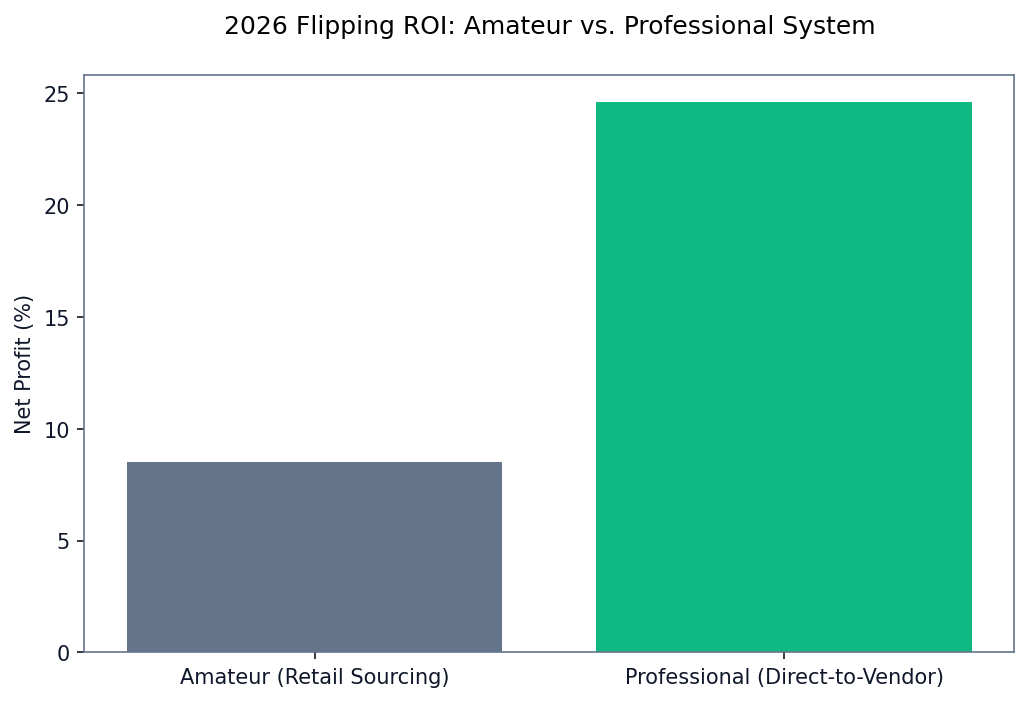
To answer if flipping is "worth it," we must first look at the current UK macroeconomic environment. Unlike the volatile 2022-2024 period, 2026 has seen a "new normal" for the Bank of England base rate (settling at 3.8-4.2%). This has brought much-needed stability to both end-buyer mortgages and development finance.
The 2026 Flipping Profit Matrix:
- Average Gross Margin Target: 22-26% (Net of refurb and acquisition).
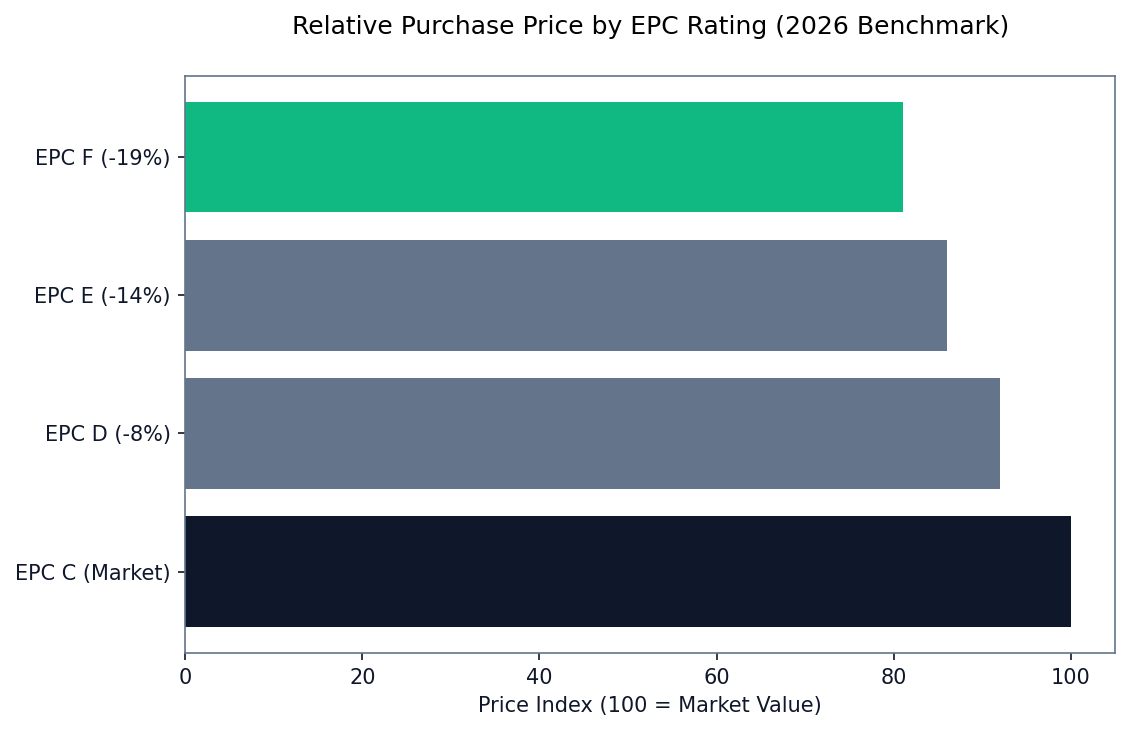
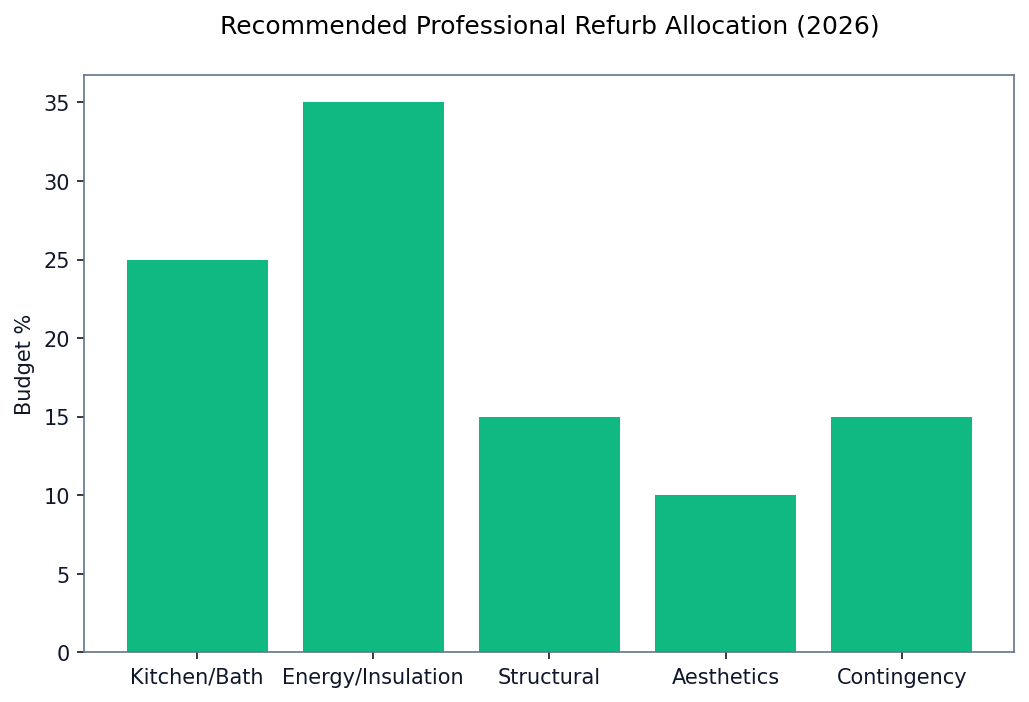
- The "Brown Discount" Premium: Properties with EPC 'E' or 'F' are currently trading at a 15-20% discount compared to 'C'-rated equivalents. This is the primary profit driver for 2026 flippers.
- Exit Liquidity: High-spec, energy-efficient "Turnkey" homes are currently selling 40% faster than standard renovations.
The Professional vs. Amateur Gap: Why Most Fails
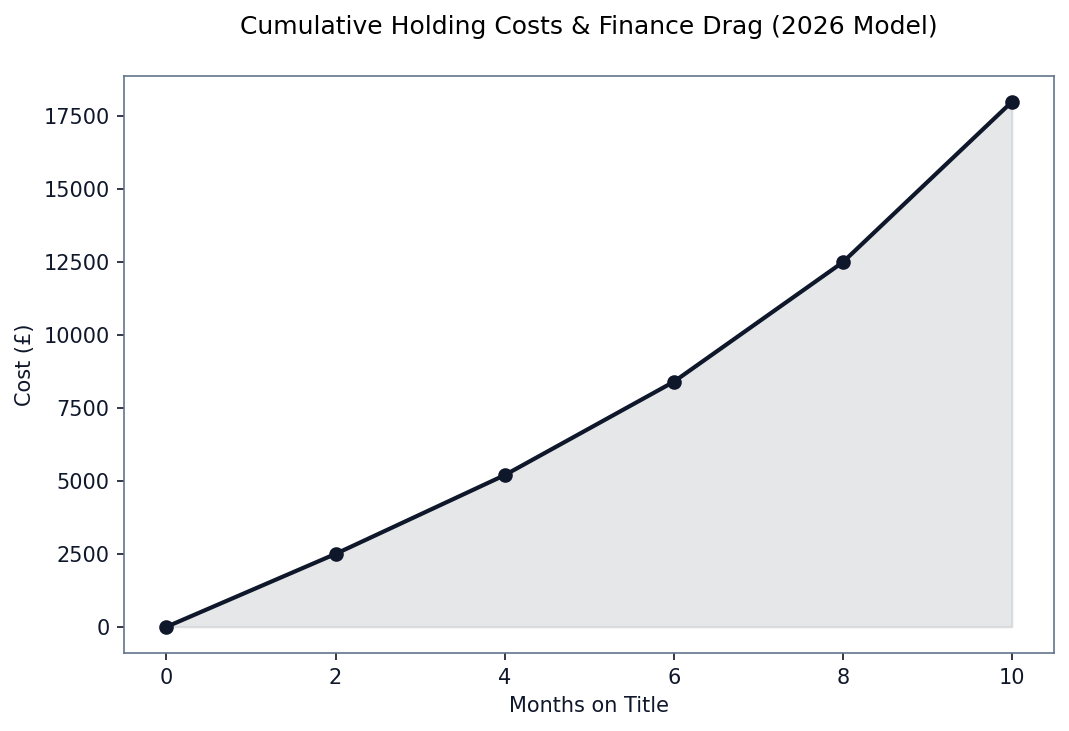
The reason many ask "is flipping houses worth it" and receive a negative answer is often due to amateur modeling. In 2026, the gap between the hobbyist and the professional has never been wider.
1. Sourcing Errors
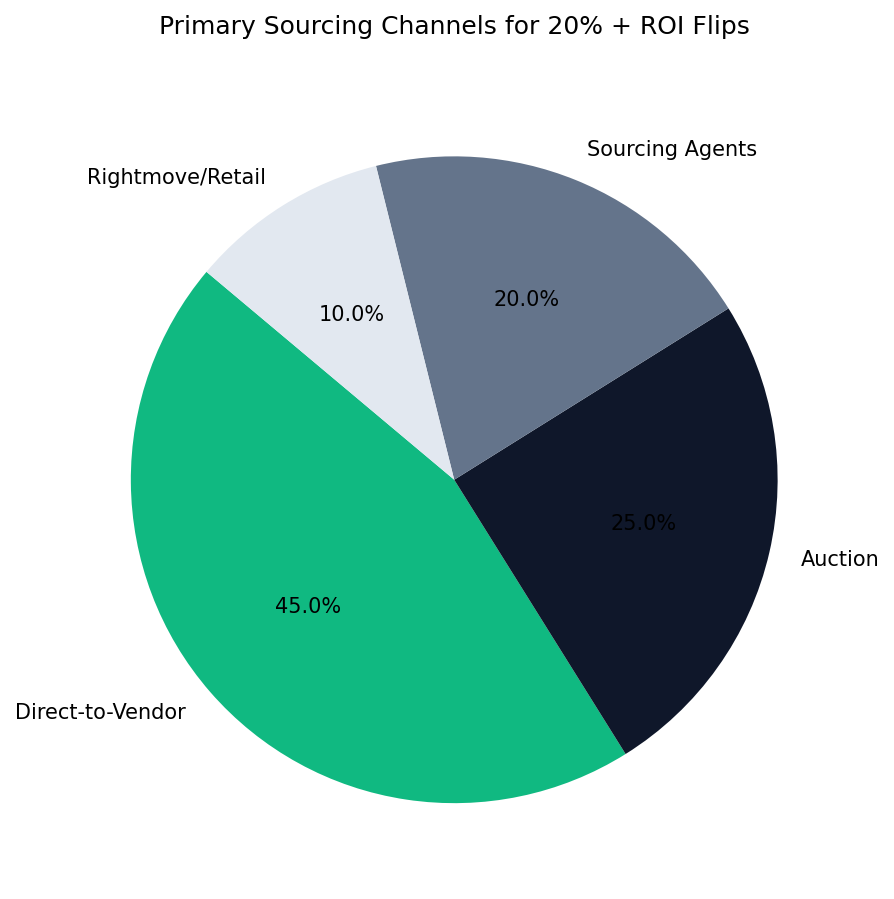
Amateurs buy from Rightmove at "retail" prices, hoping for market growth to save them. Professionals use Property Sourcing Companies UK or direct-to-vendor campaigns to secure assets at 15-25% below market value.

2. The "Paint and Carpet" Trap
In 2026, aesthetic-only refurbs are dead. Today's buyer is obsessed with thermal efficiency. If you aren't upgrading insulation, heat pumps, or windows, your exit valuation will hit a "legislation ceiling."

3. Holding Costs & Finance
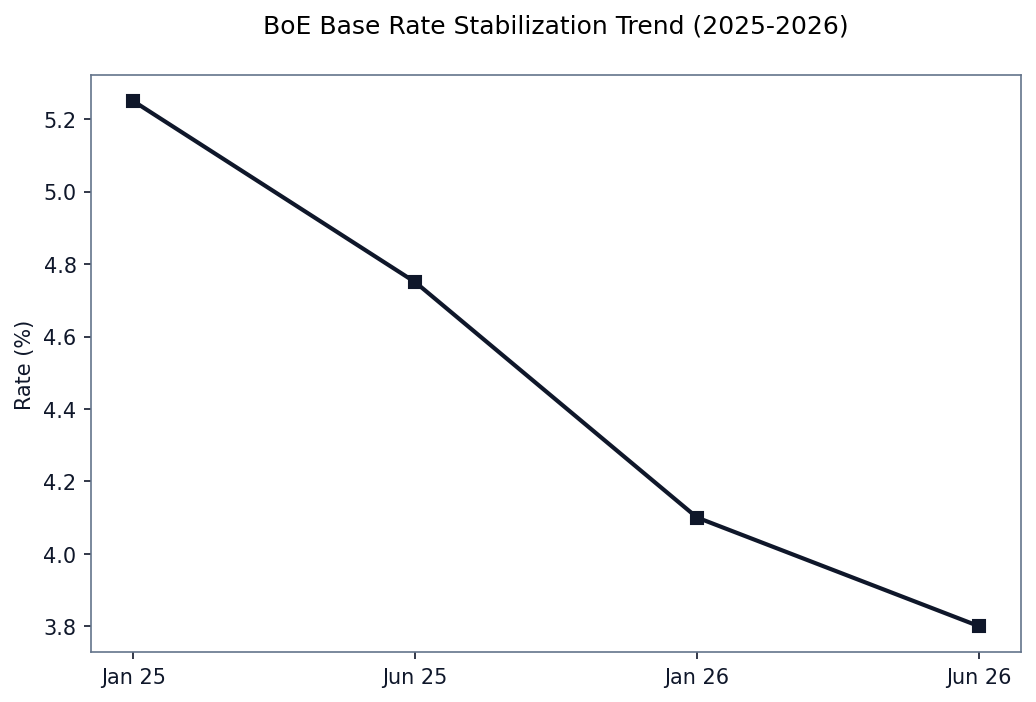
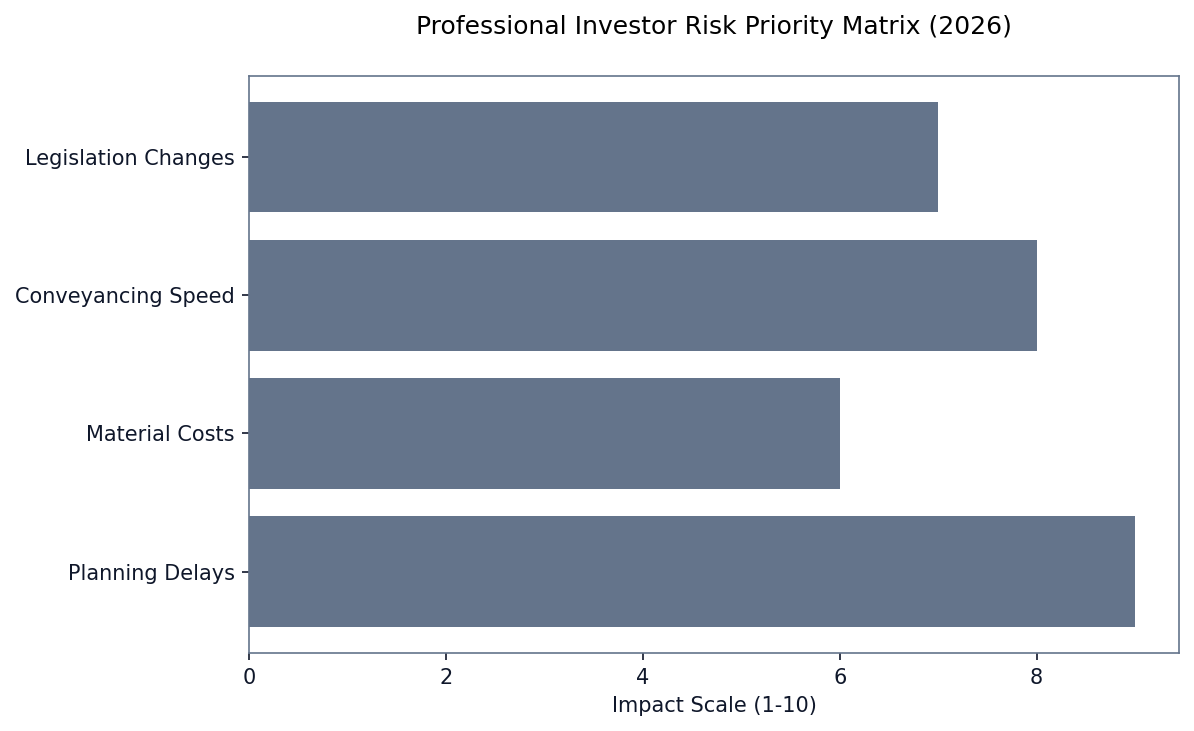
With development finance sitting at 10-12% (compounded), a 3-month delay in the conveyancing process can wipe out 5% of your net profit. Professionals model for an 8-month end-to-end cycle, whereas amateurs hope for 4 months.
Is It Worth It? The Financial Deep-Dive
Let's look at a typical 2026 "Green Flip" scenario in a high-growth region like the North West.
Case Study: The 2026 Manchester "Green Flip"
- Acquisition (EPC E-Rated Terrace): £185,000
- Buying Costs (SDLT + Legals): £12,000
- Refurbishment (Full Retrofit + High-Spec Design): £45,000
- Finance & Holding Costs (6 Months): £14,000
- Total Capital Deployed: £256,000
- Gross Development Value (GDV): £325,000
- Sales & Exit Fees: £6,000
- Net Profit: £63,000 (24.6% ROI)
Internal Link Opportunity: To understand how this fits into a broader wealth-building plan, read our guide on how to Build a UK Property Portfolio in 2026.
Strategy Matters: 3 Ways to Make Flipping "Worth It" in 2026
Strategy 1: The "EPC-Arb" (Energy Performance Arbitrage)
The most consistent strategy for 2026. Target "thermally leaky" homes, perform deep retrofits, and capture the "Green Premium." This is the core focus of many successful <a href="https://blog.shadedcanvas.co.uk/post/investment-property-manchester-uk" style="color:#c9a84c;text-decoration:underline;font-weight:500">Investment Properties in Manchester.
Strategy 2: The "HMO Flip" (Commercial Conversion)
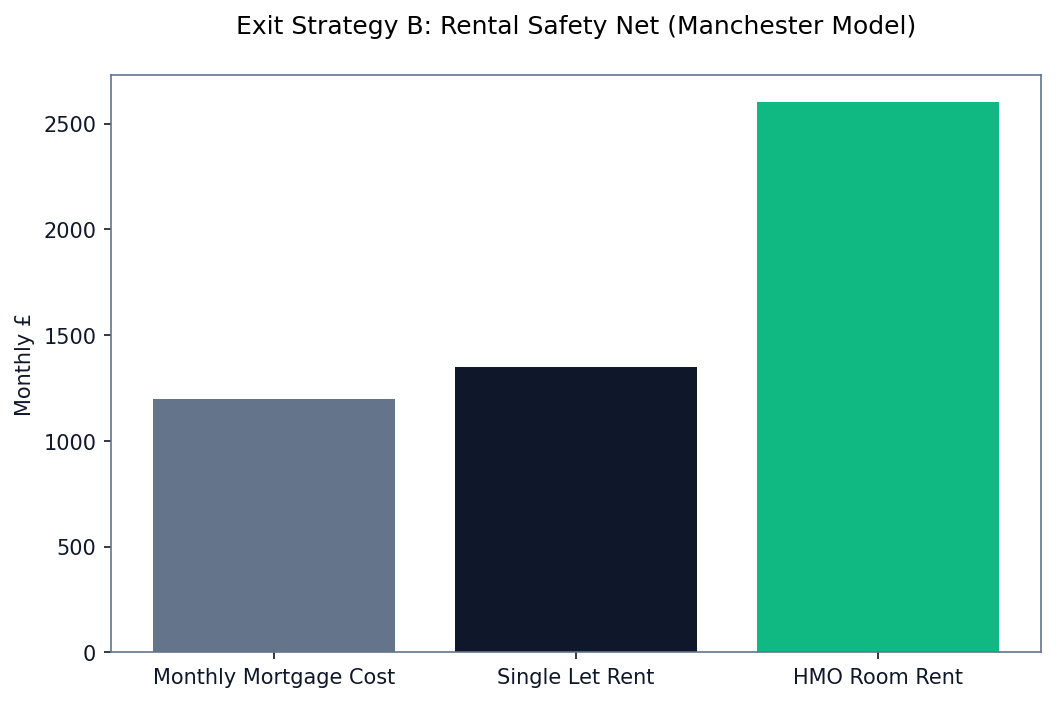
Flipping to a landlord rather than an owner-occupier. By converting a residential asset into a high-spec, compliant HMO (House in Multiple Occupation), you sell based on a yield-based valuation rather than bricks-and-mortar comparables.
Strategy 3: The "Lifestyle Upgrade" (Remote Work Hub)
Targeting coastal or rural properties and transforming them into high-tech "digital nomad" hubs. As remote work persists into 2026, the demand for high-spec home offices with gigabit connectivity is at an all-time high.
Hidden Risks for 2026: What Could Make It "Not Worth It"?
- Planning Delays: The 2026 planning system remains slow. Any flip requiring a change of use or major extension must have a "Plan B" (e.g., flipping as-is with planning permission).
- Interest Rate Spikes: While stabilized, any geopolitical shock could push rates back up. All flips must have "exit liquidity" as a BTL (Buy-to-Let) if the sales market cools.
- The "Legislation Ceiling": New minimum EPC standards for rental properties mean that if you can't sell, you must be able to rent. If the property can't hit a 'C' rating, it's a high-risk asset.
Internal Link Opportunity: For a full analysis of alternative strategies that might suit your risk profile, see Is Property a Good Investment UK.
Conclusion: Is Flipping Houses Worth It in 2026?
Yes. But only if you treat it as a business of arbitrage rather than a "get rich quick" hobby. The 2026 flipper who wins is the one who sources with data, renovates with legislative foresight, and sells into a market hungry for energy-efficient quality.
If you are ready to take the next step, start by mastering the fundamentals of How to Invest in Property UK and building your network of sourcing and finance professionals.
Disclaimer: Property flipping is a high-risk trade. All financial projections are based on 2026 market estimates. Always perform your own due diligence.
Stop being a landlord. Start being an investor.
Shaded Canvas introduces serious capital to vetted UK property opportunities — targeting 12–16% net returns.
Start Investing →