

Executive Summary The UK property flipping landscape has undergone a seismic shift as we enter 2026. The days of "cheap debt and a coat of paint" are over. Successful investors in this cycle are those who understand the intersection of high-yield EPC upgrades, localized demand for "turnkey" luxury, and the stabilization of the Bank of England base rate. This guide provides a data-driven blueprint for identifying, renovating, and exiting property deals with maximum ROI in the current market.
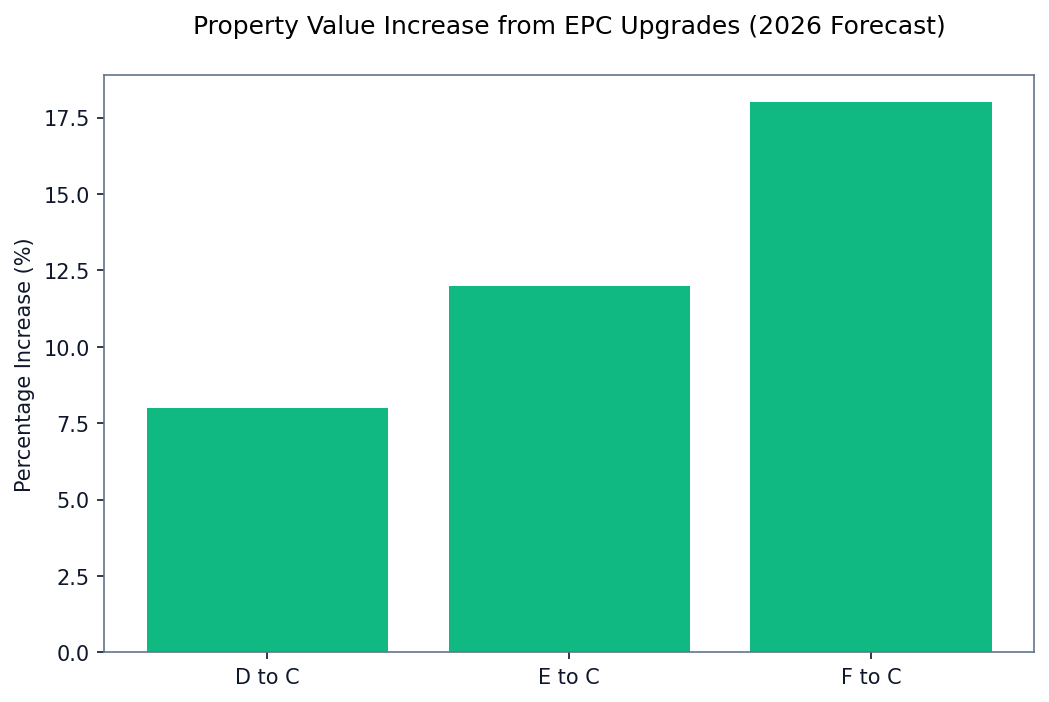
The 2026 Property Flipping Landscape: A Data-Driven Overview
As we move through 2026, the UK property market is defined by a "flight to quality." Buyers—both first-timers and downsizers—are increasingly unwilling to take on renovation projects themselves due to the lingering effects of material price volatility (which has stabilized but at a higher baseline than 2020-2023).
Key Market Indicators for 2026:
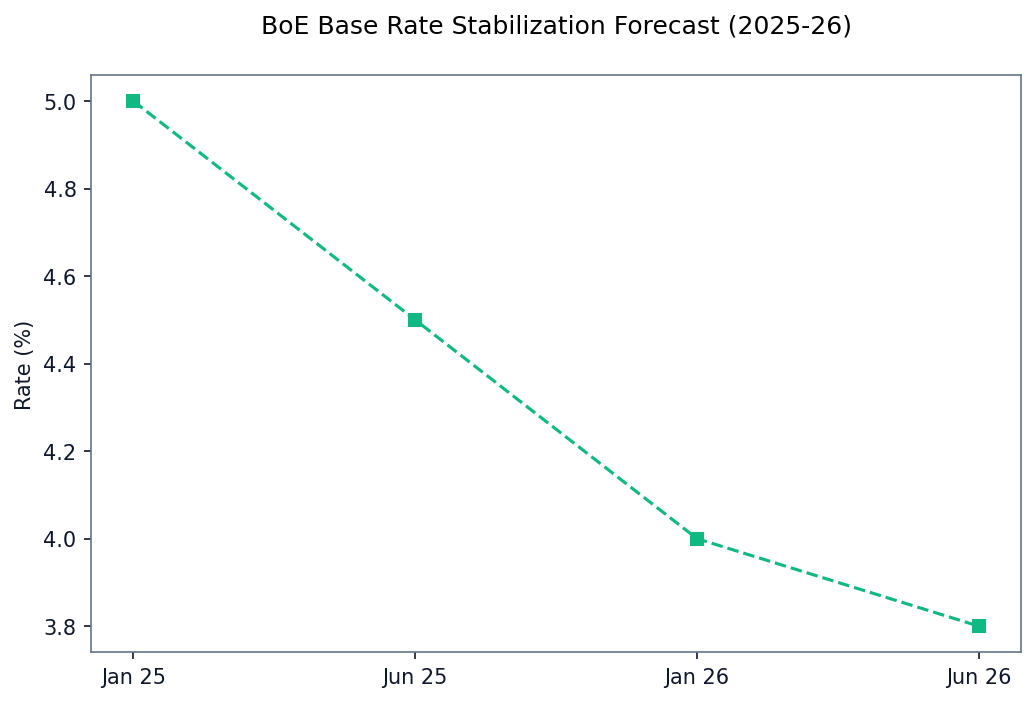
- Stabilized Interest Rates: With the BoE base rate settling at a "new normal" range of 3.5% to 4.2%, mortgage affordability has improved for end-buyers, increasing the liquidity of flipped properties.
- EPC Legislation Impact: Properties with an EPC rating below 'C' are now significantly devalued in the eyes of both lenders and buyers. This "brown discount" is the primary profit driver for 2026 flippers.
- Regional Demand Gaps: While London and the South East remain high-entry-cost areas, the North West and West Midlands (particularly cities like Manchester and Birmingham) are seeing the highest volume of successful flips due to lower entry prices and strong rental demand from the "Generation Rent" segment.
Strategy 1: The "Green Flip" (EPC Upgrading)
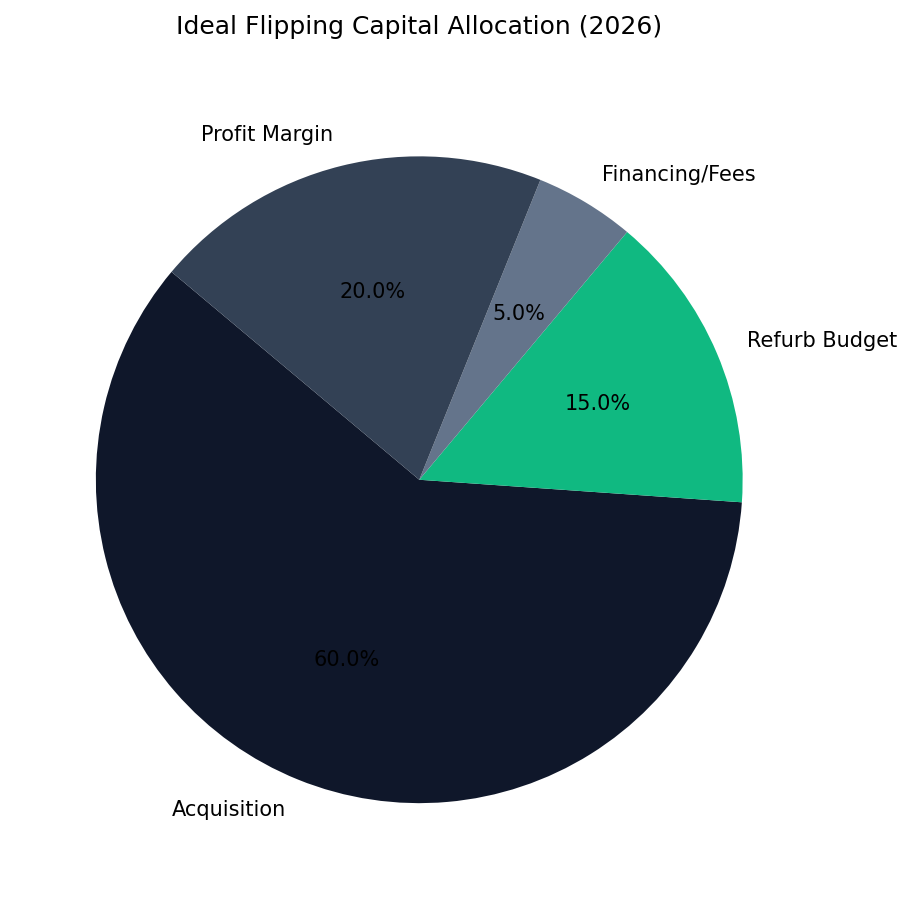
The single most profitable strategy for 2026 is the EPC Upgrade Flip. By targeting properties currently rated 'D', 'E', or 'F', investors can leverage the "Green Premium" that modern buyers are willing to pay for energy-efficient homes. This strategy is now a core part of how to Build a UK Property Portfolio in 2026.
The Execution Blueprint:
- Sourcing: Look for properties with solid structural bones but outdated heating, insulation, and glazing.
- The "Big Three" Upgrades:
- External Wall Insulation (EWI): Particularly for pre-1930s solid-wall builds.
- Heat Pump Integration: Now a standard requirement for "future-proofed" luxury flips.
- High-Performance Glazing: Moving beyond standard double glazing to triple glazing or vacuum-sealed units.
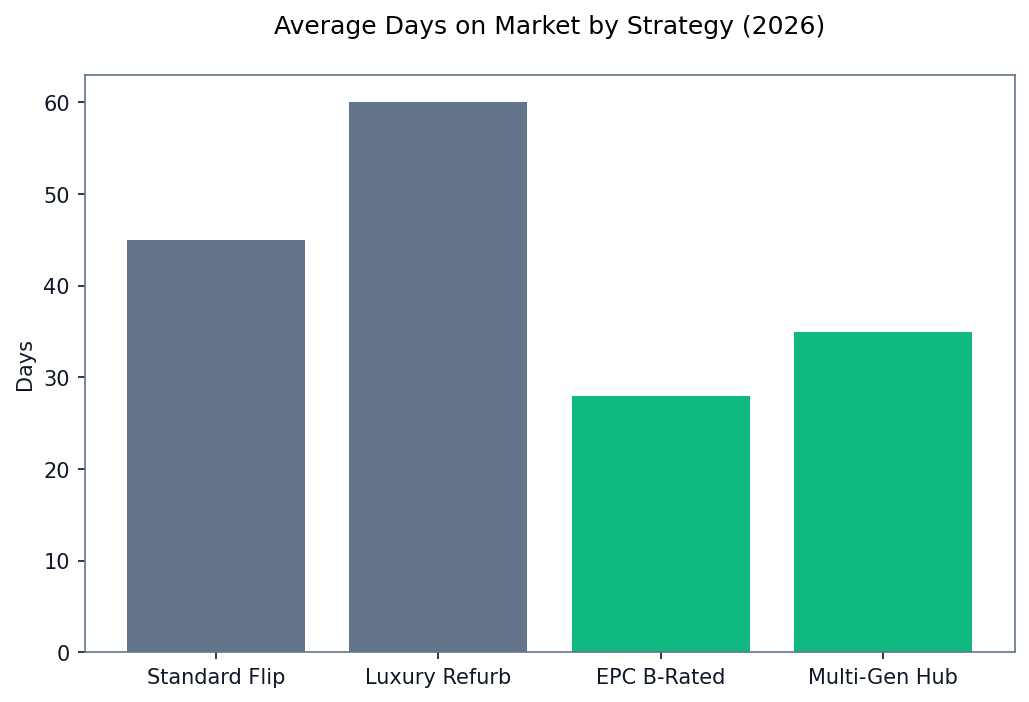
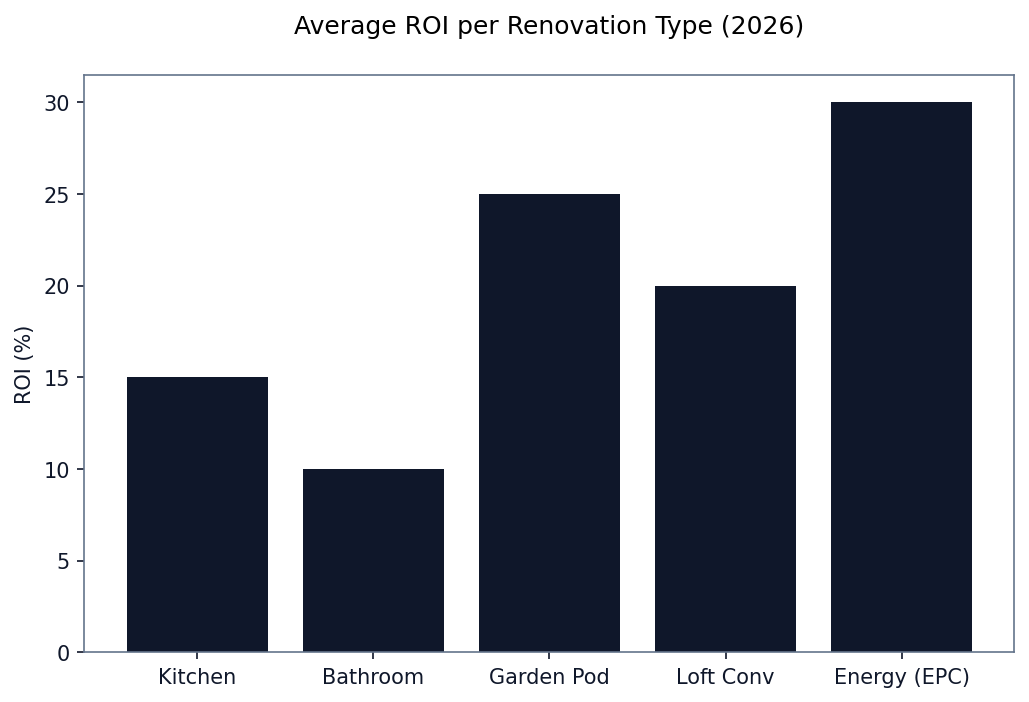
- Financial Impact: Data suggests that a move from EPC 'D' to 'B' can increase a property's value by 12-15% in 2026, independent of general market growth.
Internal Link Opportunity: For a deeper look at long-term capital growth potential, see our guide on Best Capital Growth Property UK. This is a crucial read if you are planning to hold your flipped properties rather than selling them immediately.
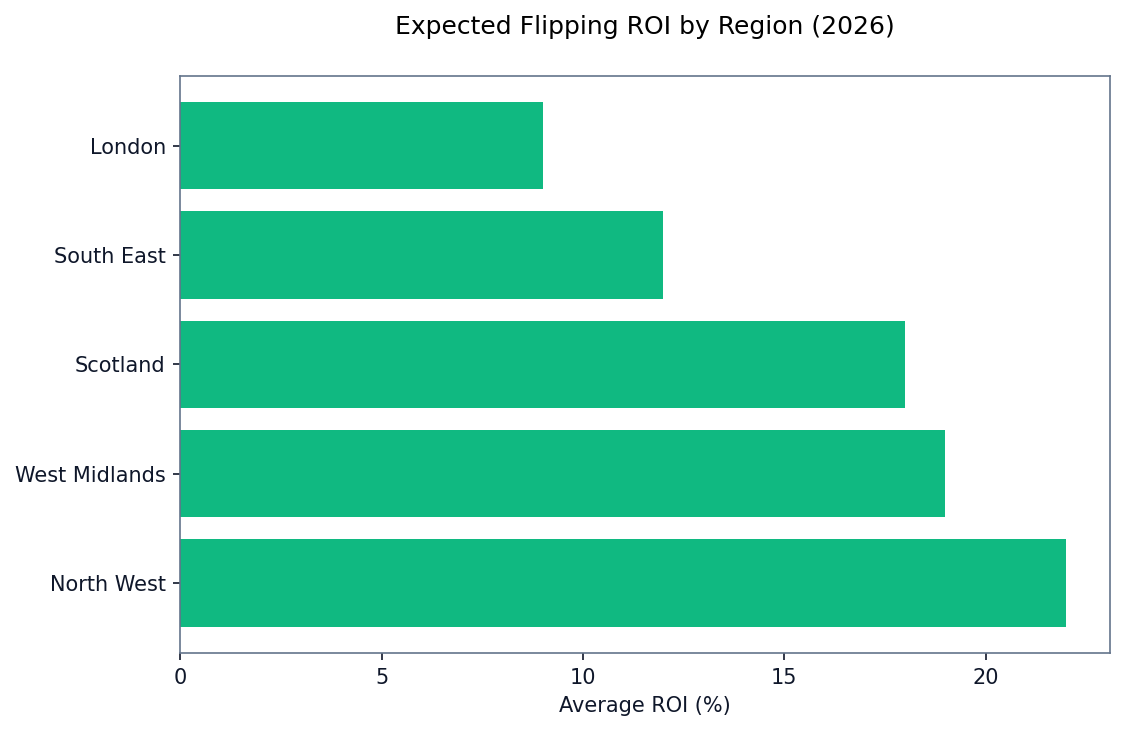
Strategy 2: The "Multi-Generational Luxury" Refurb
With the UK's aging population and the rising cost of social care, there is a massive surge in demand for properties that support multi-generational living. Many investors are now using Property Sourcing Companies UK to find these larger Victorian assets before they hit the open market.
The Execution Blueprint:
- Property Selection: Target large, Victorian or Edwardian terraces or detached properties with annex potential (garages, large outbuildings).
- Design Focus: Create "flexible-use" spaces—ground-floor suites with accessible bathrooms and separate entrances that still feel integrated into the main home.
- Marketing: Position the property as a "Multi-Gen Hub," catering to families who want to keep elderly parents close or provide space for adult children.
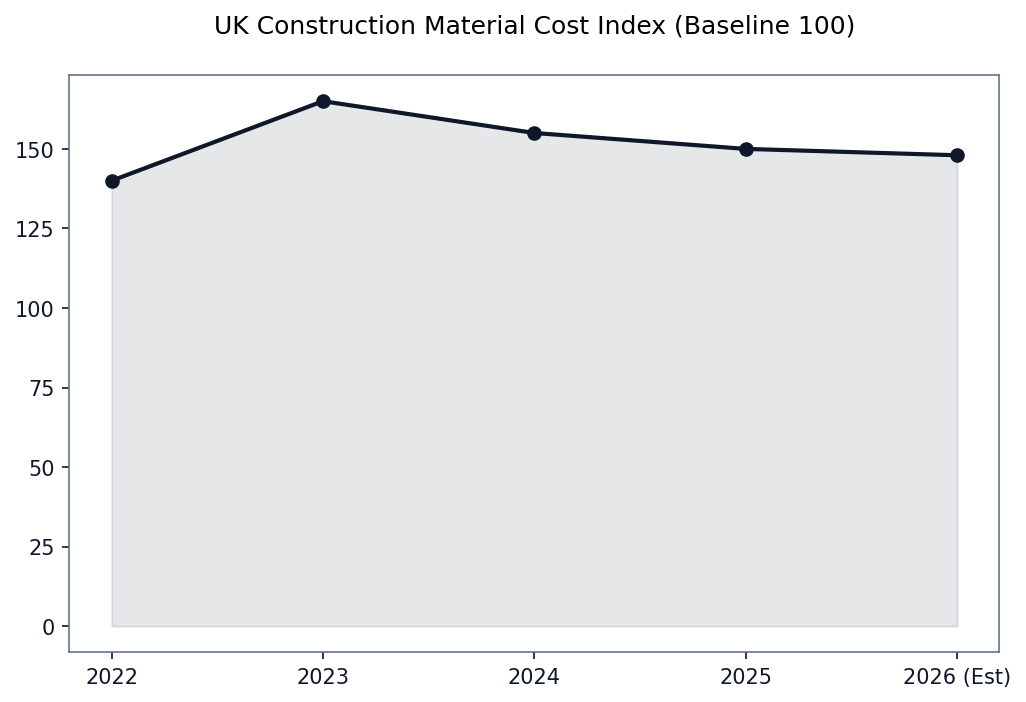
Strategy 3: The "Digital Nomad" High-Spec Terrace
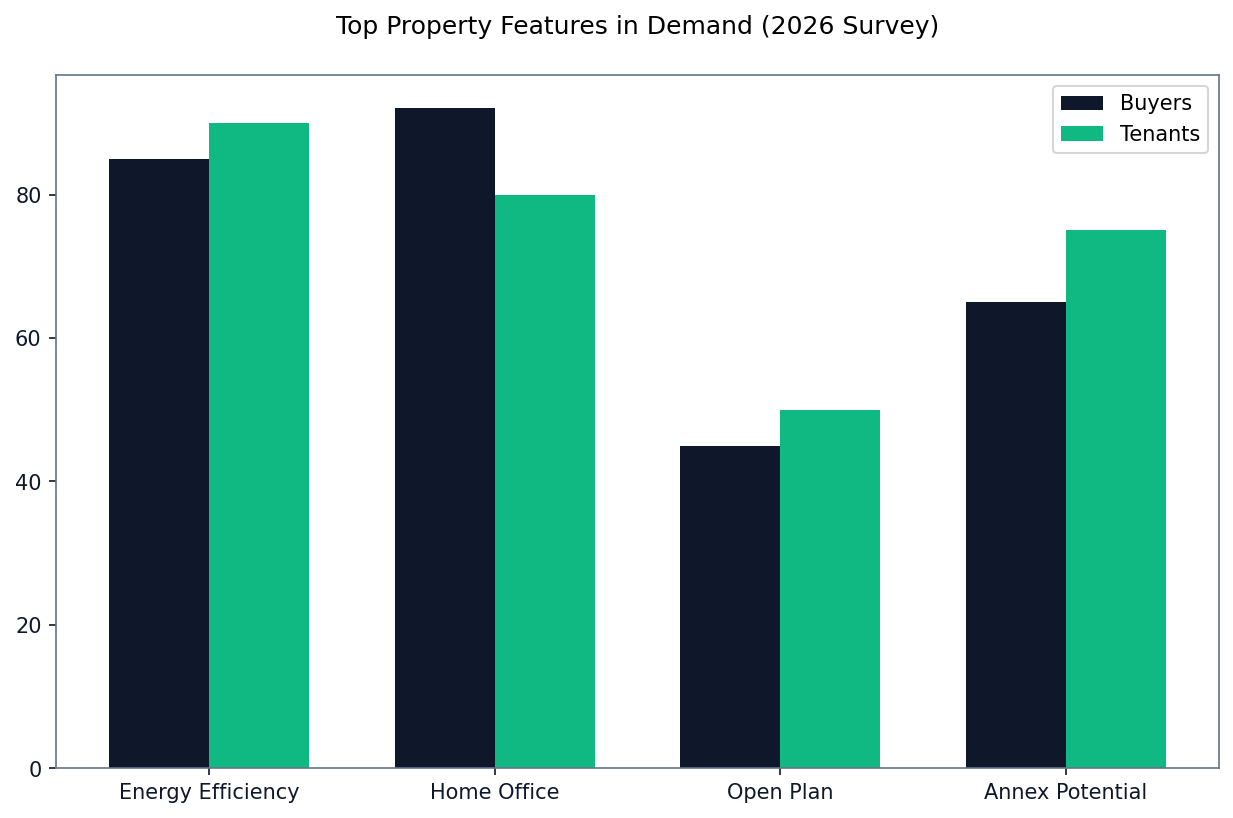
The hybrid-work revolution has matured. In 2026, a "home office" is no longer a luxury; it is a core requirement for almost every professional buyer. This trend is particularly strong for <a href="https://blog.shadedcanvas.co.uk/post/investment-property-manchester-uk" style="color:#c9a84c;text-decoration:underline;font-weight:500">Investment Property in Manchester, where the professional population is booming.
The Execution Blueprint:
- Sourcing: Target traditional 2-up-2-down terraces in urban hotspots.
- The "Pod" Extension: Use modular, prefabricated garden pods to add high-spec office space without the cost of a full brick extension.
- Connectivity: Ensure the property is "Gigabit Ready" with integrated CAT6 cabling and smart-home controls.
Strategy 4: The "Bespoke Rental" Flip (Targeting Institutional Landlords)
With the rise of "Build-to-Rent" (BTR) and the professionalization of the private rental sector (PRS), 2026 sees a lucrative niche in flipping properties specifically to institutional investors and large-portfolio landlords.
The Execution Blueprint:
- Sourcing: Target cluster properties—multiple units on one title or semi-detached pairs.
- Compliance-First Refurb: Unlike retail flips, these require institutional-grade compliance (integrated fire alarms, high-end durability, and full documentation for PRS standards).
- Exit Strategy: Sell as a "Turnkey Portfolio" rather than individual units. The premium is in the pre-packaged, compliant nature of the asset.
The Financial Framework: Modeling the 2026 Flip
In 2026, the success of a flip is determined before the first sledgehammer is swung. Precise financial modeling is non-negotiable.
Key Metrics to Track:
- Gross Margin Target: Aim for 20-25% after all costs (including finance and sales fees).
- The "Refurb-to-GDV" Ratio: In 2026, refurb costs should ideally not exceed 15-20% of the Gross Development Value (GDV) to protect against market fluctuations.
- Contingency Fund: Maintain a strict 15% contingency on all renovation quotes.
Regional Analysis: Where the 2026 Flipping Profits Are Hiding
Market timing is local. In 2026, we are seeing three distinct tiers of flipping hotspots:
1. The "Resilient North" (Manchester, Liverpool, Newcastle)
- Why: Lower entry prices allow for "Light Refurb" strategies that still yield significant percentage gains.
- Opportunity: 3-bed semi-detached properties in commuter-belt areas. If you are a non-resident, consider our guide on Investing in UK Property from Overseas.
2. The "West Midlands Industrial Hub" (Birmingham, Coventry)
- Why: Massive infrastructure investment (post-HS2) is driving demand for high-spec professional housing.
- Opportunity: Victorian terrace conversions into high-end "Professional HMOs" or luxury family homes.
3. The "Coastal Revitalization" (Margate, Folkestone)
- Why: Continued demand for "lifestyle properties" from remote workers moving out of London.
- Opportunity: Coastal period properties requiring aesthetic "Luxury Facelifts."

Navigating Tax and Regulation in 2026
Flipping property in the UK is treated as a trade, meaning profits are subject to Income Tax (or Corporation Tax if through a Ltd Company), not Capital Gains Tax (CGT).
Key 2026 Tax Considerations:
- VAT on Energy Saving Materials: Take advantage of the 0% VAT rate on heat pumps, insulation, and solar panels to boost your refurb margins.
- <a href="/post/stamp-duty-on-buy-to-let" style="color:#c9a84c;text-decoration:underline;font-weight:500">Stamp Duty Surcharges: Factor in the 3% (or higher, depending on legislation updates) surcharge for "additional properties" into your initial acquisition costs.
- Limited Company vs. Personal: In 2026, the majority of high-volume flippers operate via an SPV (Special Purpose Vehicle) to maximize tax efficiency and allow for the full deduction of finance costs.
Internal Link Opportunity: For a complete breakdown of legal tax strategies for property investors, see our updated guide: Reduce Taxes Legally UK. This is essential for protecting your margins in the 2026 tax environment.
Your 2026 Flipping Checklist: 7 Steps to a Profitable Exit
- The "EPC First" Audit: Conduct a full energy performance assessment before purchase.
- Sourcing with a "Brown Discount": Negotiate hard on properties that require significant thermal upgrading.
- Local Market "Dream Home" Persona: Define exactly who your end-buyer is (e.g., "The Remote-Working Professional Couple").
- Bespoke Refurb Scripting: Do not use generic materials. Use data-driven design (high-durability, energy-efficient).
- Phased Quality Control: Conduct inspections at every major refurb stage (strip-out, first fix, second fix).
- Staging and Digital Presence: In 2026, "physical staging" is essential. Properties that look like "homes" rather than "houses" sell 30% faster.
- The "Zero-Snag" Handover: Ensure a perfect finish to protect your reputation and speed up the conveyancing process.
Conclusion: The Future of UK Property Flipping
The 2026 market belongs to the specialized investor. By focusing on energy efficiency, multi-generational living, and turnkey professional standards, you can unlock significant value in an environment that others might find challenging. Remember: the profit is in the problem you solve for the end-buyer.
Next Steps for Aspiring Flippers
- Download our 2026 Refurb cost Guide.
- Consult with a 2026-specialist tax advisor.
- Join the Shaded Canvas Investor Network for off-market deal alerts.
Disclaimer: Property investment involves risk. The information provided is for educational purposes only and does not constitute financial advice. Always perform your own due diligence.
Stop being a landlord. Start being an investor.
Shaded Canvas introduces serious capital to vetted UK property opportunities — targeting 12–16% net returns.
Start Investing →